
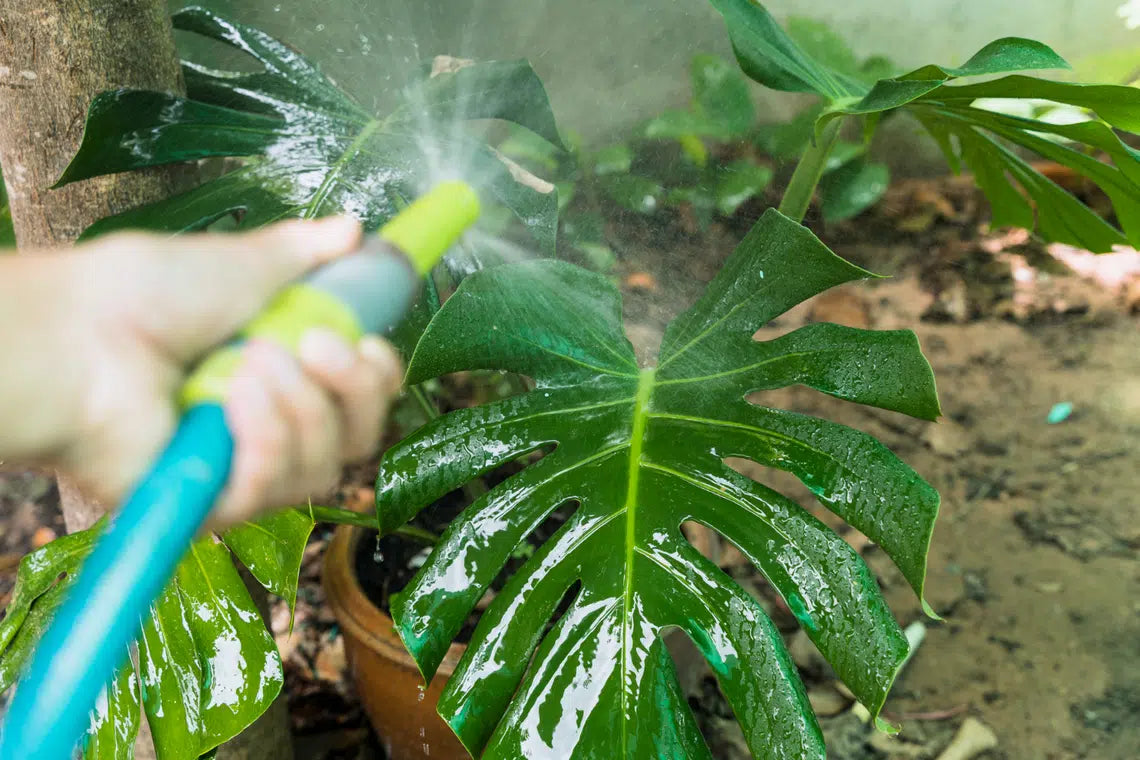
Australia is no stranger to water scarcity. In fact, according to the Parliament of Australia, our continent is the driest inhabited one on Earth, with the least amount of water, the fewest wetlands, and the lowest run-off.
According to the Australian Bureau of Meteorology, 2023 was Australia’s driest year since 2019, and many parts of the country still face significant rainfall deficits. While we enjoyed more rainfall in 2024, BOM describes the typical rainfall over our continent as “not only low, but highly erratic.”
This characteristic has led to many regions introducing water restrictions. In some states, restrictions have become a normal part of life. With climate change projected to increase the frequency and intensity of droughts, conservation efforts should dominate our environmental activism.
So, how can individuals help mitigate the risks with simple steps?
Let’s talk about it.
Water Conservation in Numbers
 Before we talk about how you can contribute to water conservation efforts in Australia without changing your lifestyle, let’s understand the stakes.
- In 2019, Sydney imposed Level 1 water restrictions, with water supply levels dropping to 53.4%;
- Australia’s average annual rainfall is a little over 470mm, well below the global average of 954mm;
- The Murray-Darling, which supports over 40% of Australian farms, frequently faces water shortages;
- Household outdoor water use for gardens and lawns accounts for nearly 40% of total residential water consumption.
When you add in periods of extreme and frequent drought, like the Millenium Drought (1997-2009), it becomes clear: every drop counts.
Conserving our country’s water is as much our individual responsibility as it is our government’s. The best way to protect the future of our communities, agriculture, and ecosystems, is to watch how we use our water.
The Water Footprint of Natural Gardens
 A lush, natural garden right outside your door is everyone’s dream. But setting it up and maintaining it comes at a price which is often higher than the reward.
For example, a traditional 185 m² garden can consume thousands of litres of water each month to keep the plants alive, especially in the summer or during droughts.
To look their best and thrive in an arid environment, natural gardens might need:
- Regular watering - around 50 to 150 litres of water per m² per month
- Irrigation systems that can cost hundreds to install and maintain
- Ongoing costs for fertilisers, pest control, and pruning, averaging $2000 per year
A standard sprinkler can use up to approximately 1000 litres of water in an hour. Even efficient drip irrigation systems use up 4-6 litres per plant per hour. With a typical suburban garden containing hundreds of plants, water bills and environmental impacts can add up quickly.
On top of that, regular watering, especially during the summer when water is most scarce, becomes an extra heavy burden on local water supplies. Keeping a garden lush under these conditions is neither practical nor environmentally responsible.
How Fake Plants Save Water
Well, for a start, fake outdoor plants eliminate the need for watering altogether. This is especially critical in water-stressed regions like Australia.
Here’s how artificial garden plants contribute to water conservation without you needing to add more tasks on your ever-expanding to-do list:
| Aspect | Natural plants | Artificial plants |
| Water use | High (daily to weekly) | None |
| Maintenance | High (watering, pruning, potting, fertilising) | Low (occasional dusting, UV spray) |
| Seasonal impact | Vulnerable to droughts | Green all year round |
Choosing artificial plants for your front and back yard can save you thousands of litres of water annually.
For example, if one person needs around 200 litres of water per day for drinking, hygiene, cooking, and basic needs, they’ll need approximately 73,000 litres of water per year.
Replacing a 185 m² lawn with synthetic turf can save over 400,000 litres of water every year, which is equivalent to the water needs of 5 people for an entire year.
Other Environmental Benefits of Fake Outdoor Plants
Besides water savings, artificial plants are a sustainable choice because they:
- Don’t need pesticides or fertilisers, which means you avoid chemical run-off into waterways;
- Don’t need fuel-powered gardening equipment like mowers or trimmers that use up a lot of electricity;
- Are durable and can last 5 or more years outdoors and up to 15 years indoors with minimal maintenance;
- Are recyclable and made from high-quality materials that can be upcycled into new products or outdoor furniture.
 Of course, the environmental benefits of fake plants aren’t relegated to just the average homeowner. Businesses, councils, and public spaces across Australia can turn to artificial greenery to create and maintain beautiful environments without the burden of high water use.
In our decades of experience, we’ve seen more and more faux green walls and greenery in:
In fact, we have a whole case studies section listing all our favourite business transformations and sharing how they’ve impacted the space and its owners.
Finishing Thoughts
While switching to artificial outdoor plants won’t be a silver-bullet answer to all water conservation problems in Australia, they’re a testament that every bit helps, and you don’t have to sacrifice beauty or lifestyle.
Of course, you also don’t need to create entirely new gardens for your artificial plants. Instead, you can choose to replace a few water-loving plants with lifelike replicas and go from there. Besides, faux plants look even more realistic when paired with real greenery.
In any case, using alternative approaches to gardening when facing water restrictions can open up a whole new world for your garden.
If you need specific advice or information about decorating with fake plants, contact our expert team for a quote and creative decor ideas to make your garden pop. And follow what we do for homeowners and businesses on LinkedIn, we love posting our projects there.