

Outdoor Artificial Trees
Ultra Realistic Artificial Plants
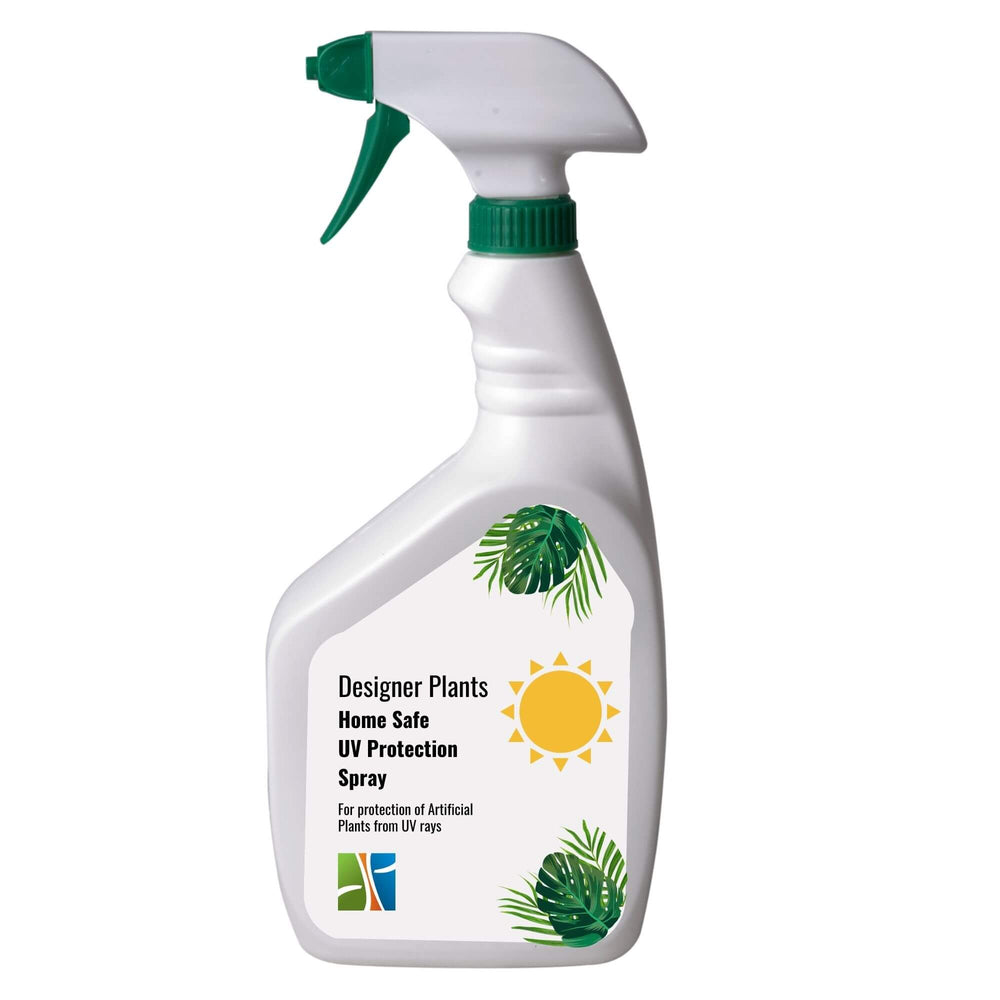
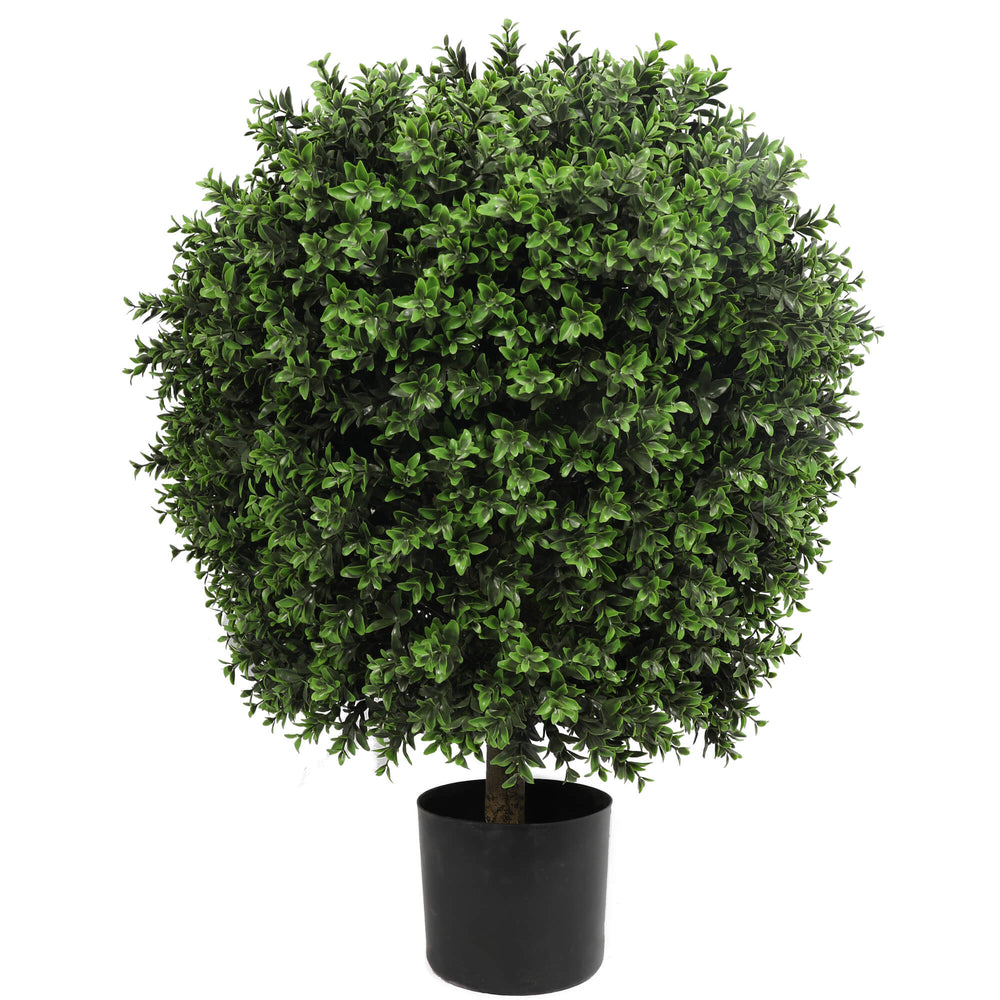
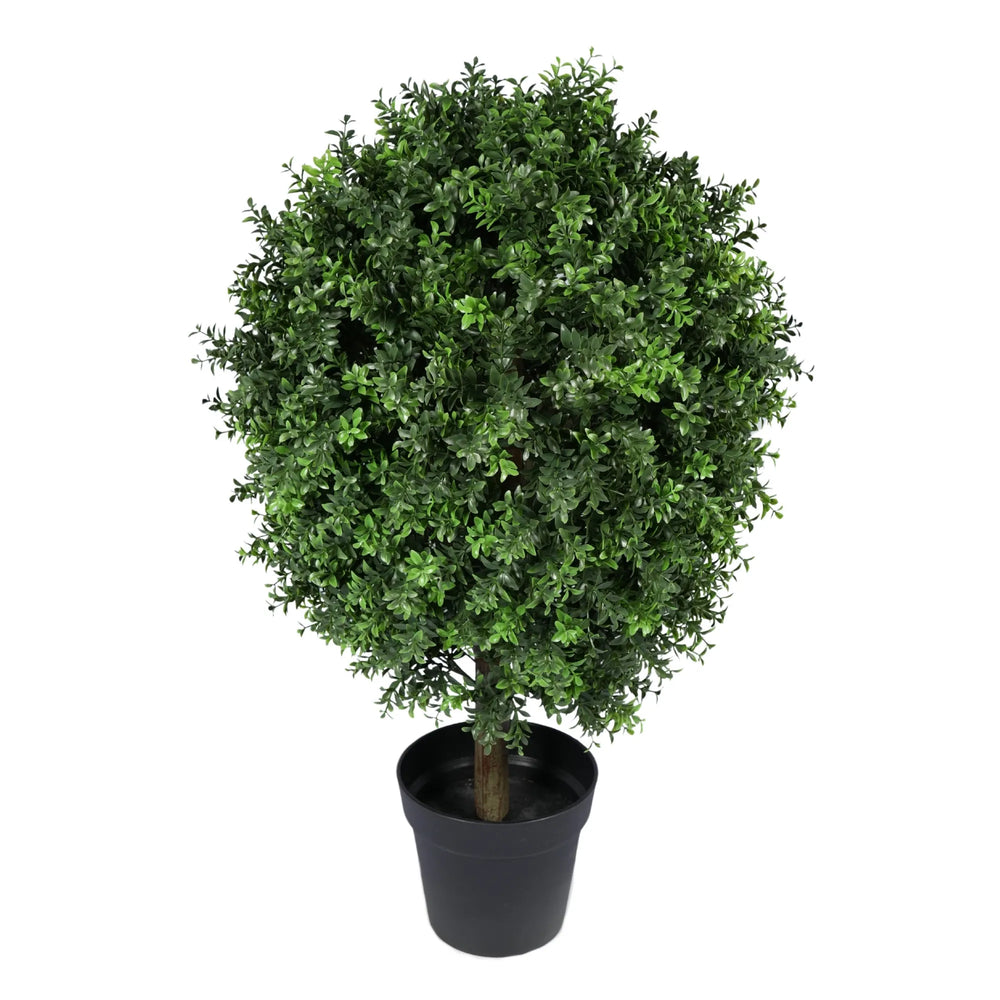
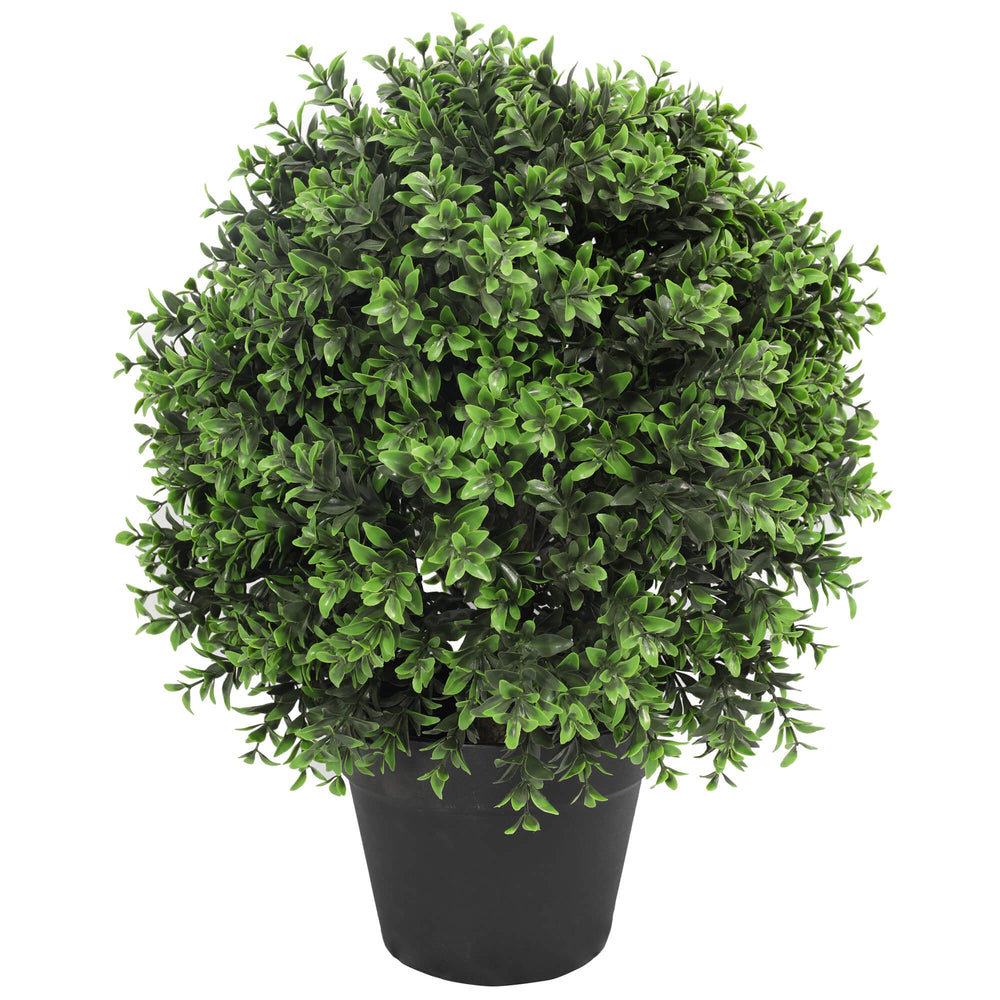
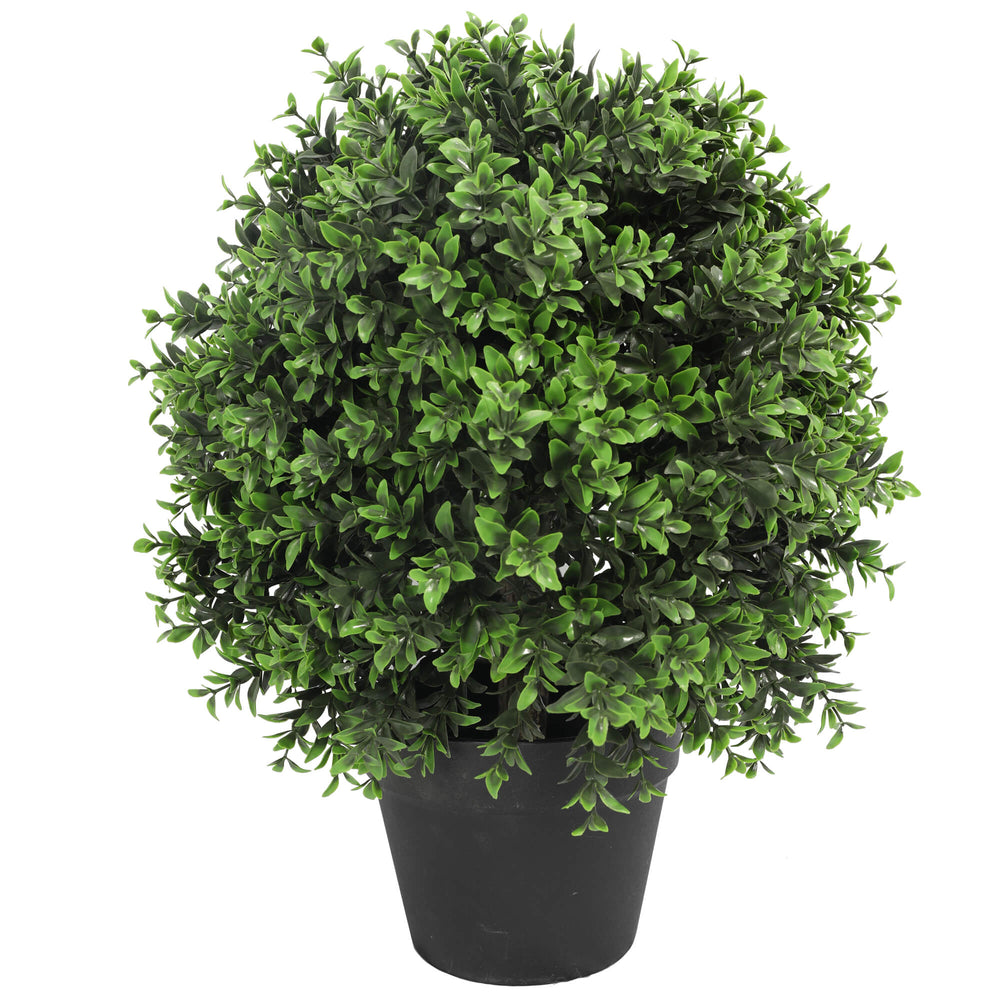
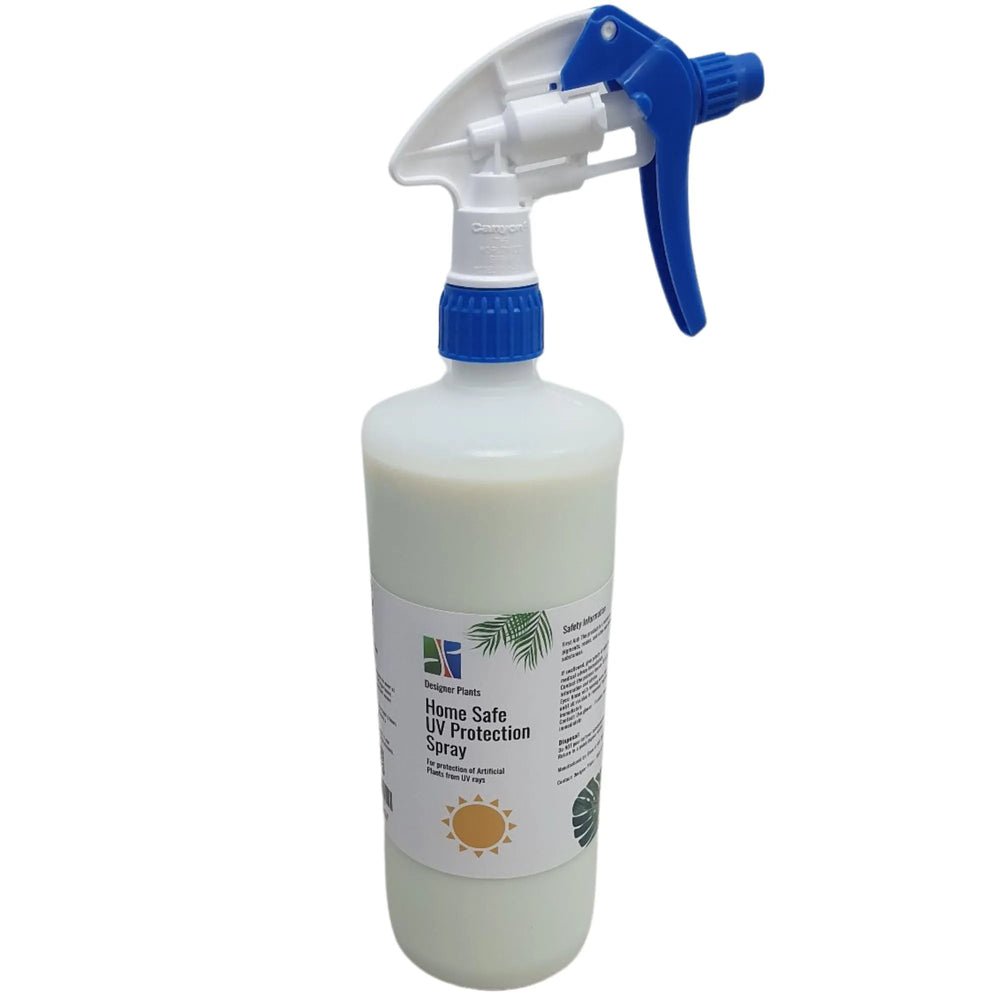
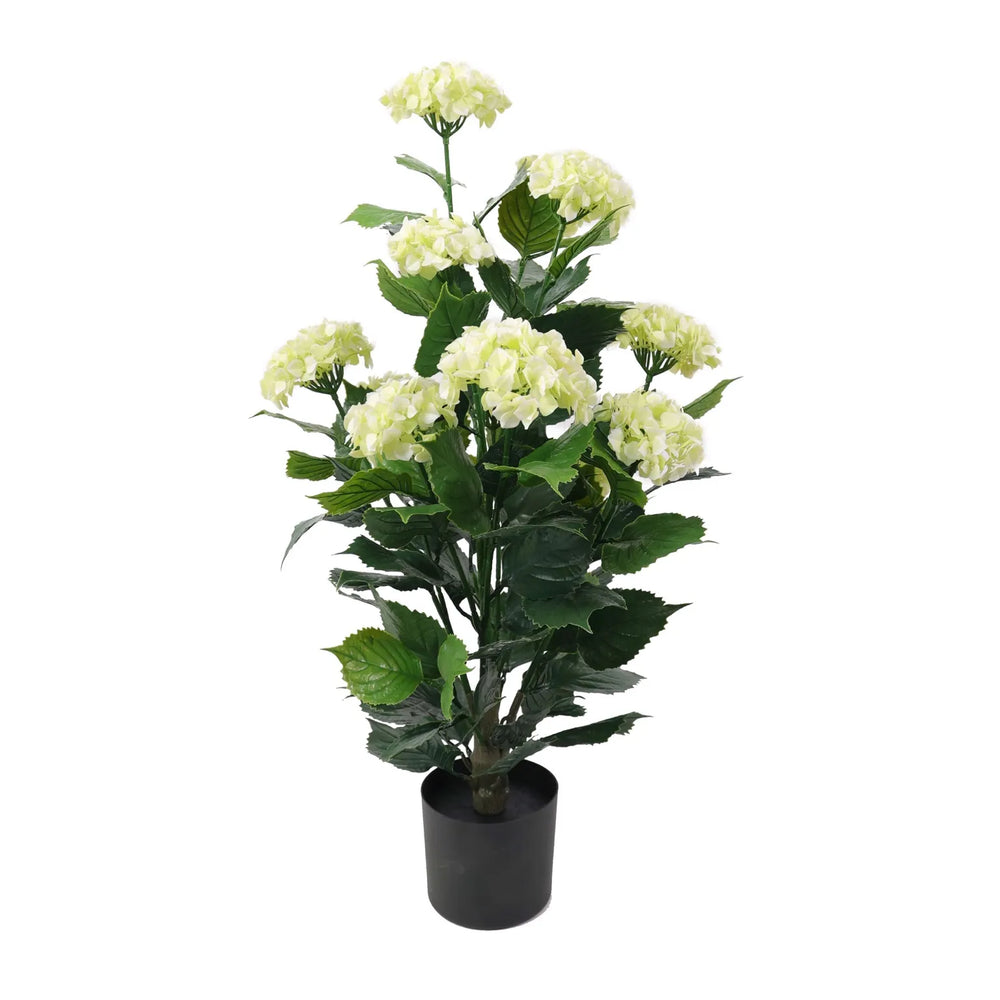
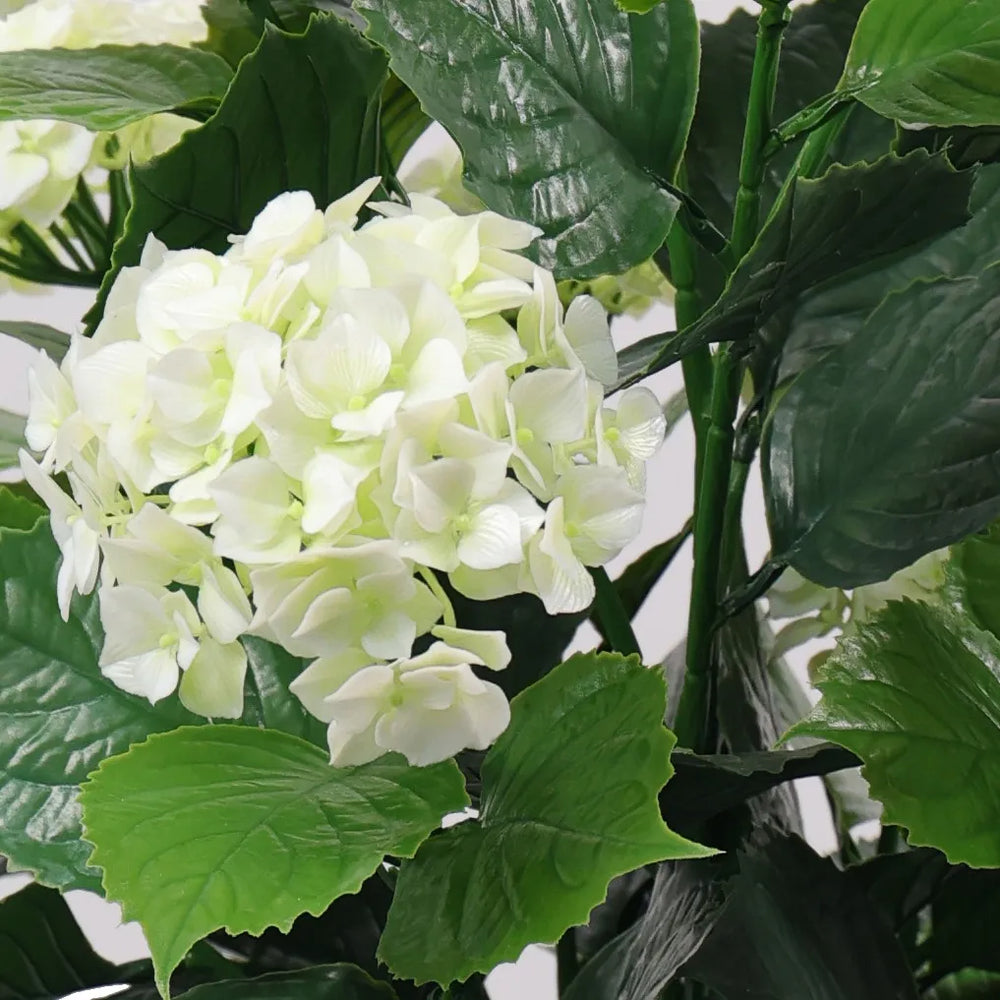
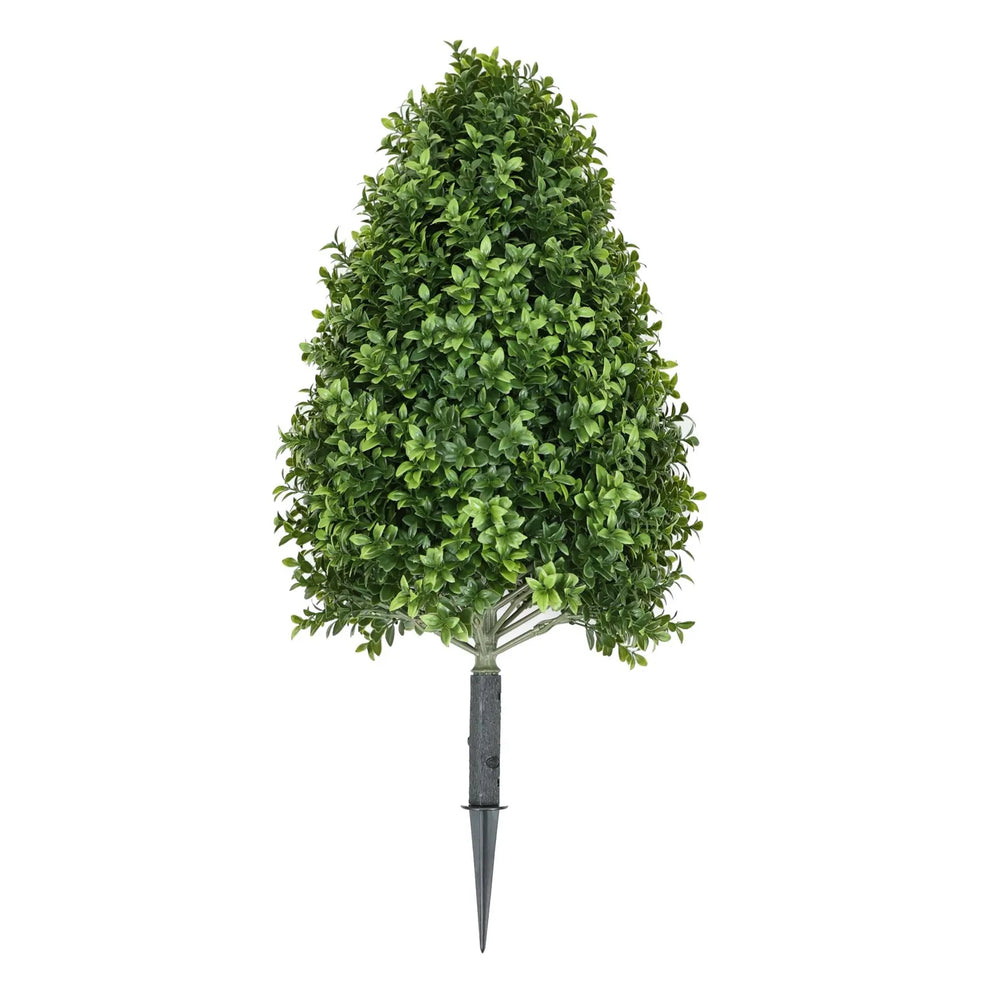
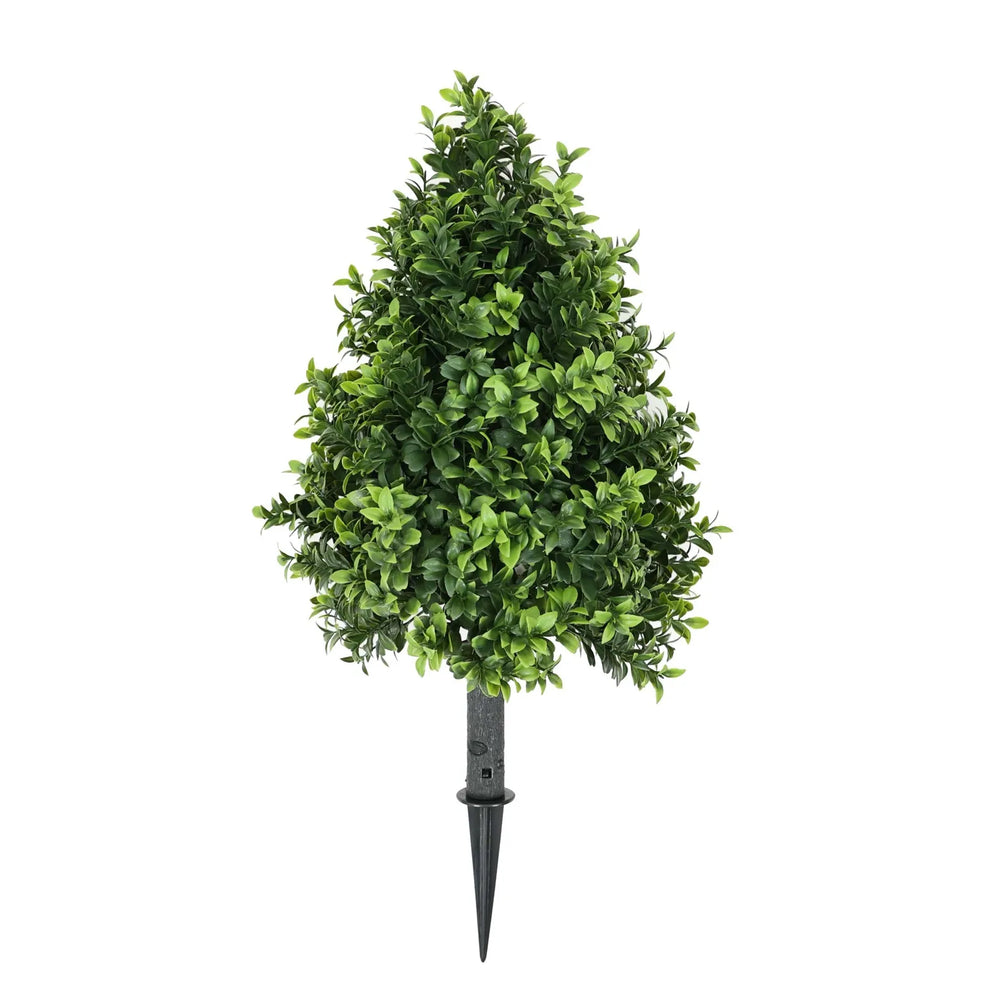
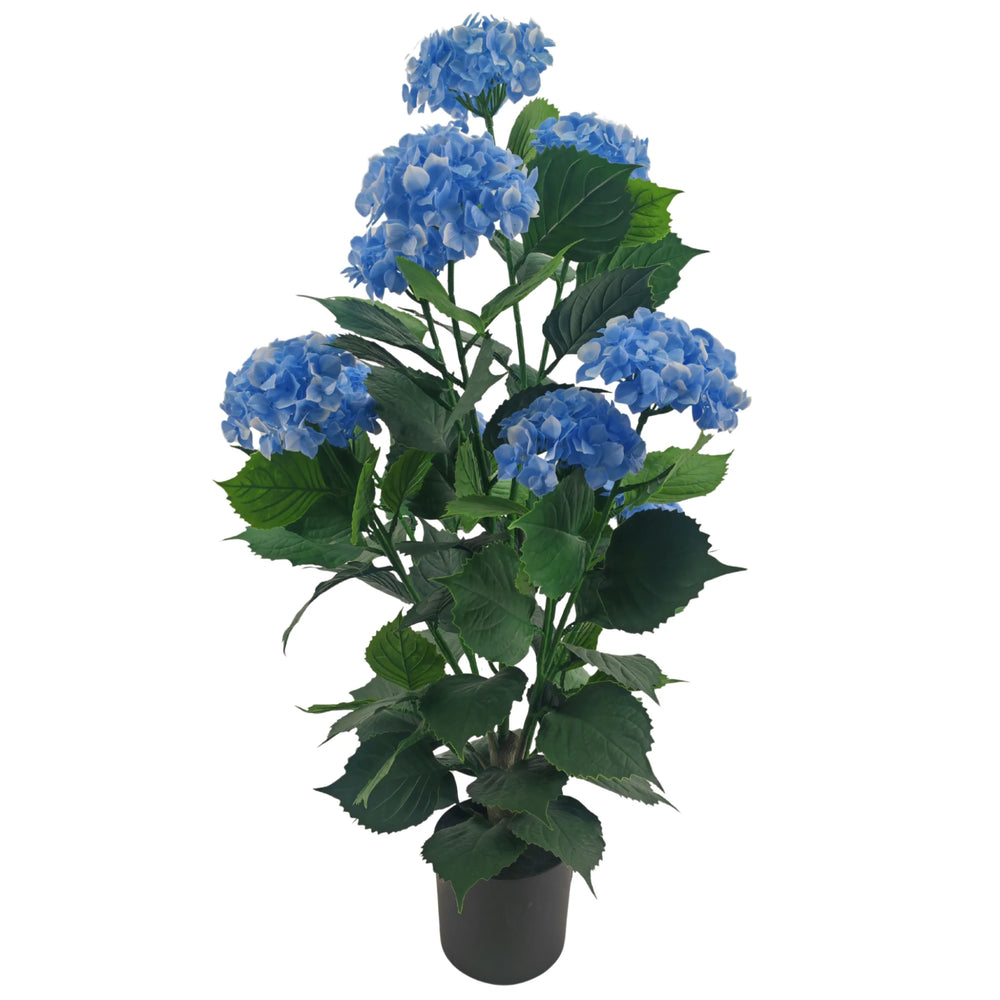
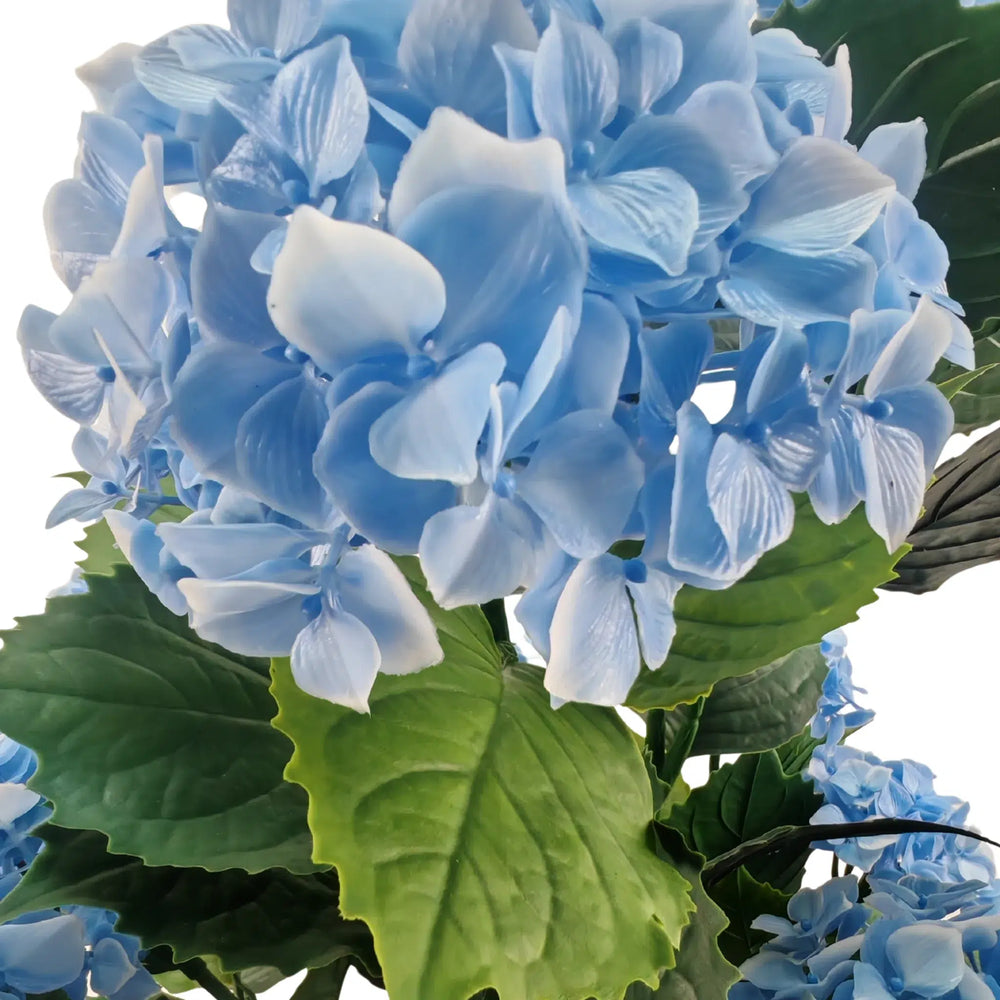
Designer Plants Five Key Technologies
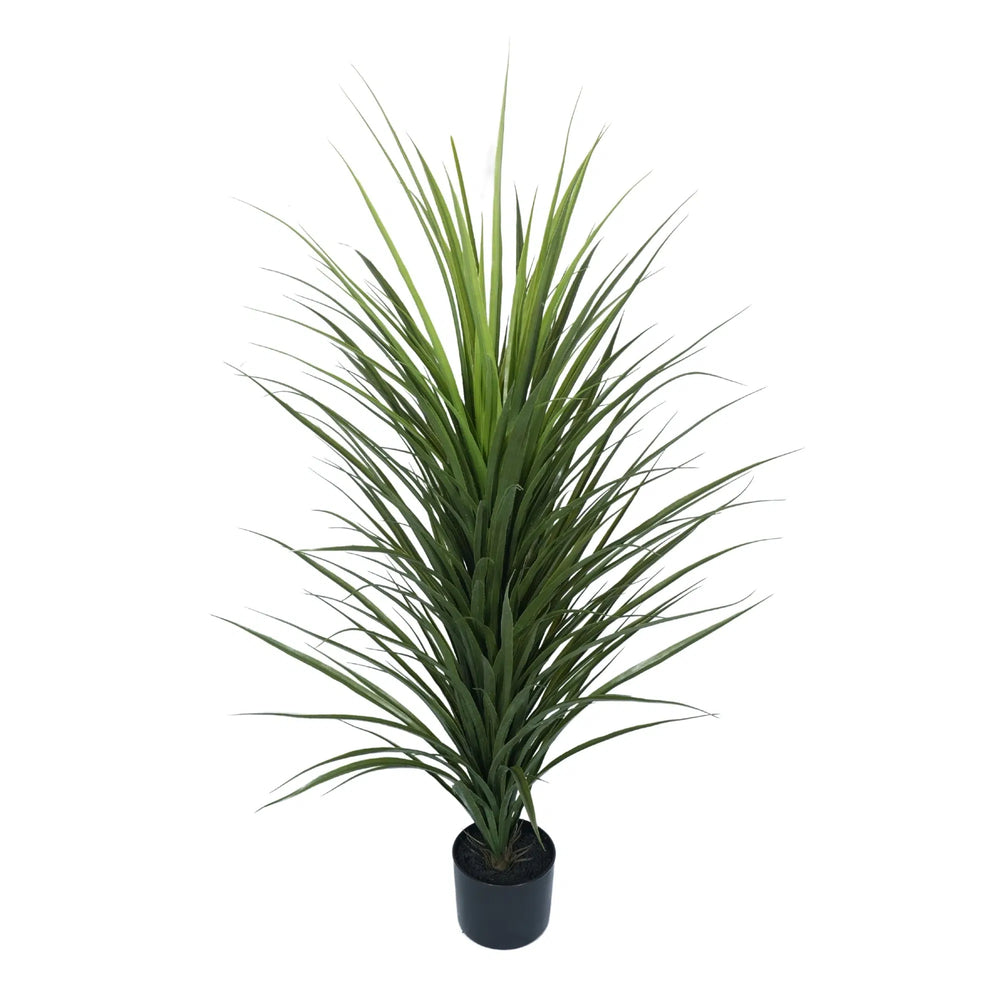
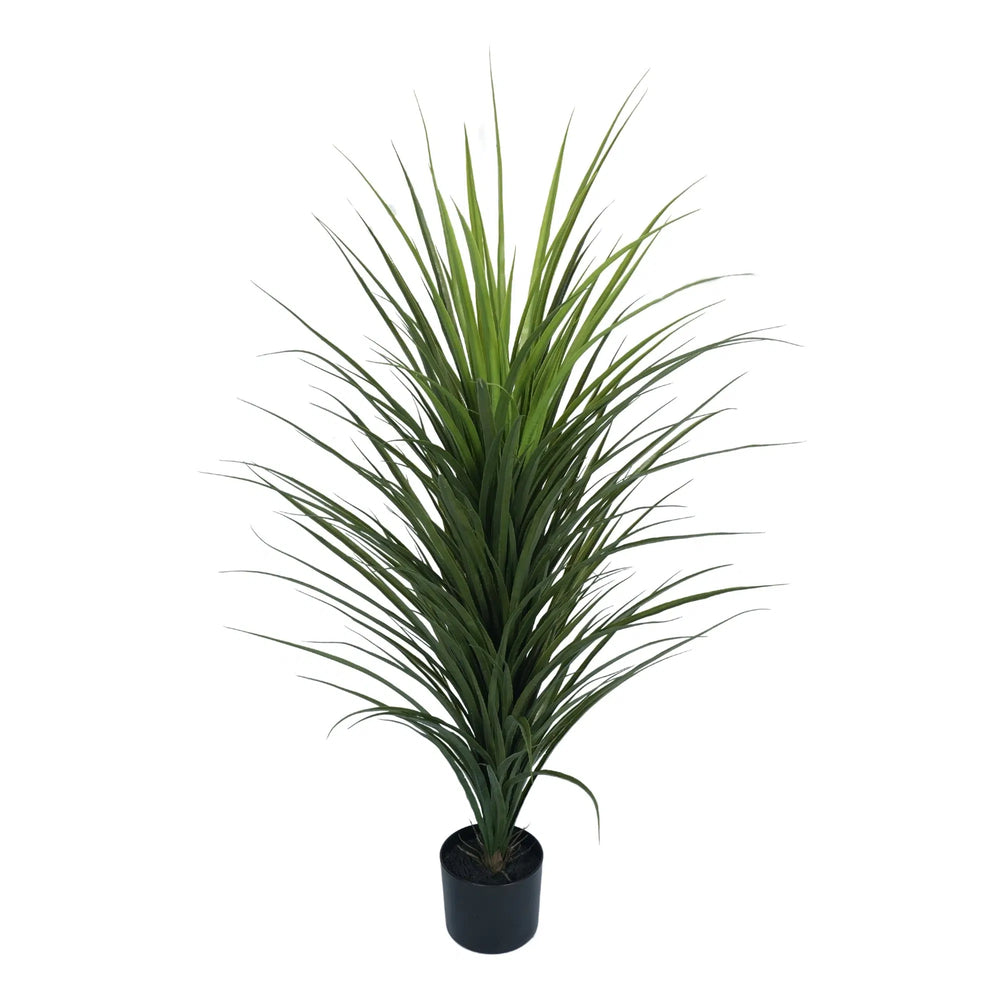
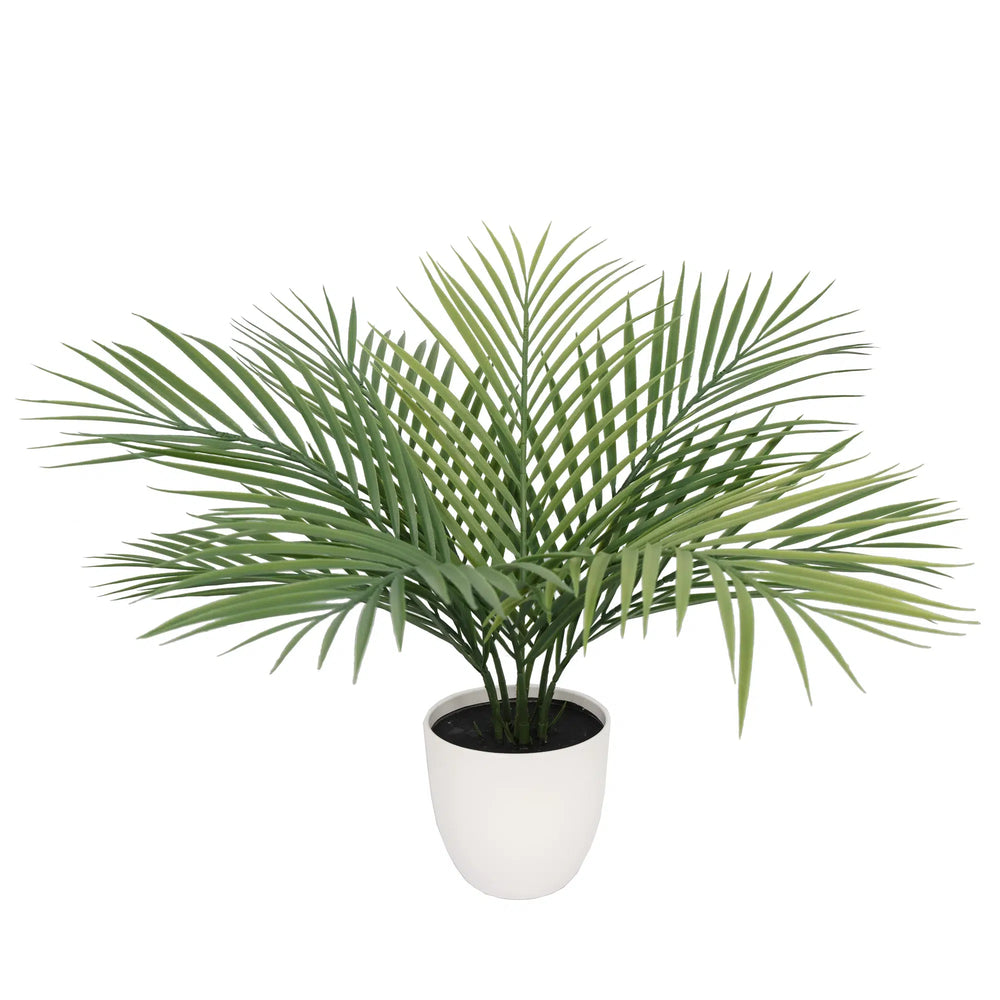
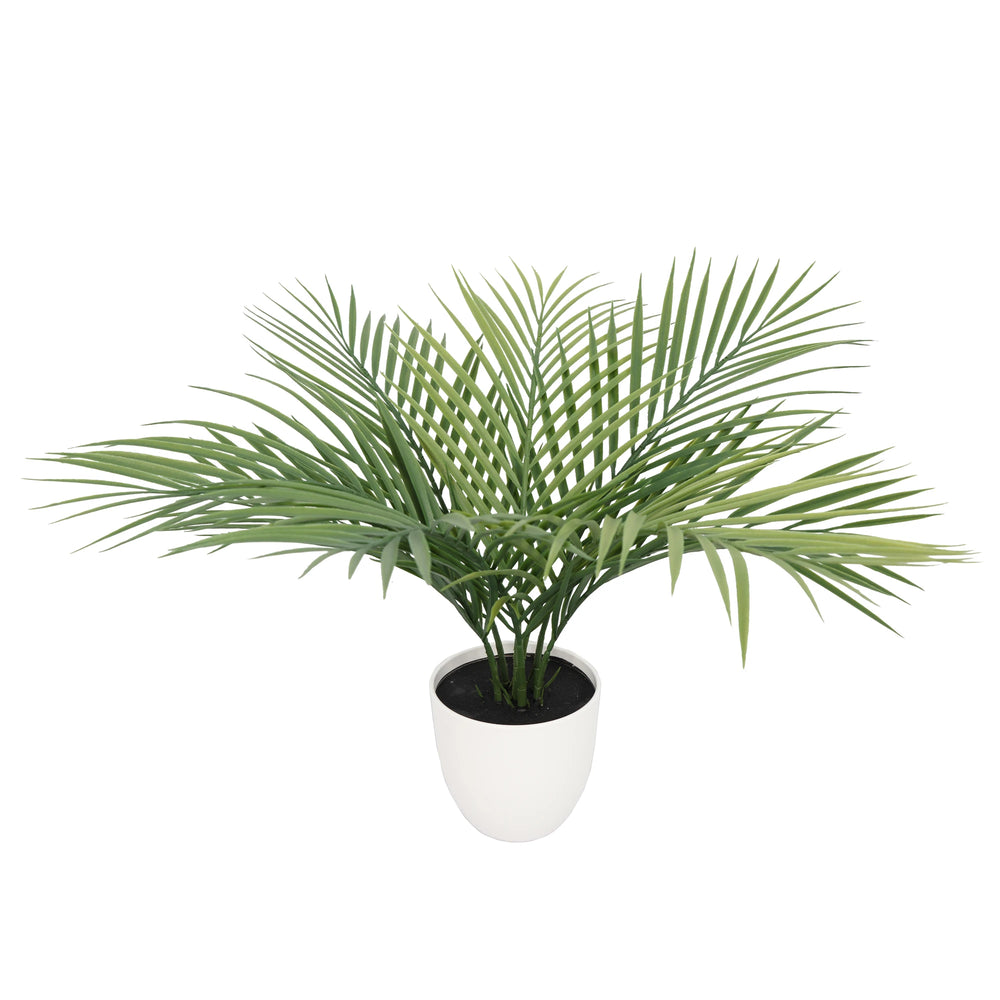
Outdoor artificial trees in this range carry UVTex inhibitors bonded within the leaf material rather than sprayed across the surface, which is what keeps a canopy in full sun from going pale at the tips. RealTex tone variation runs through the foliage so a 1.8 metre canopy does not read as one flat colour at close range.


Sizing an Outdoor Artificial Tree for the Space It Sits In
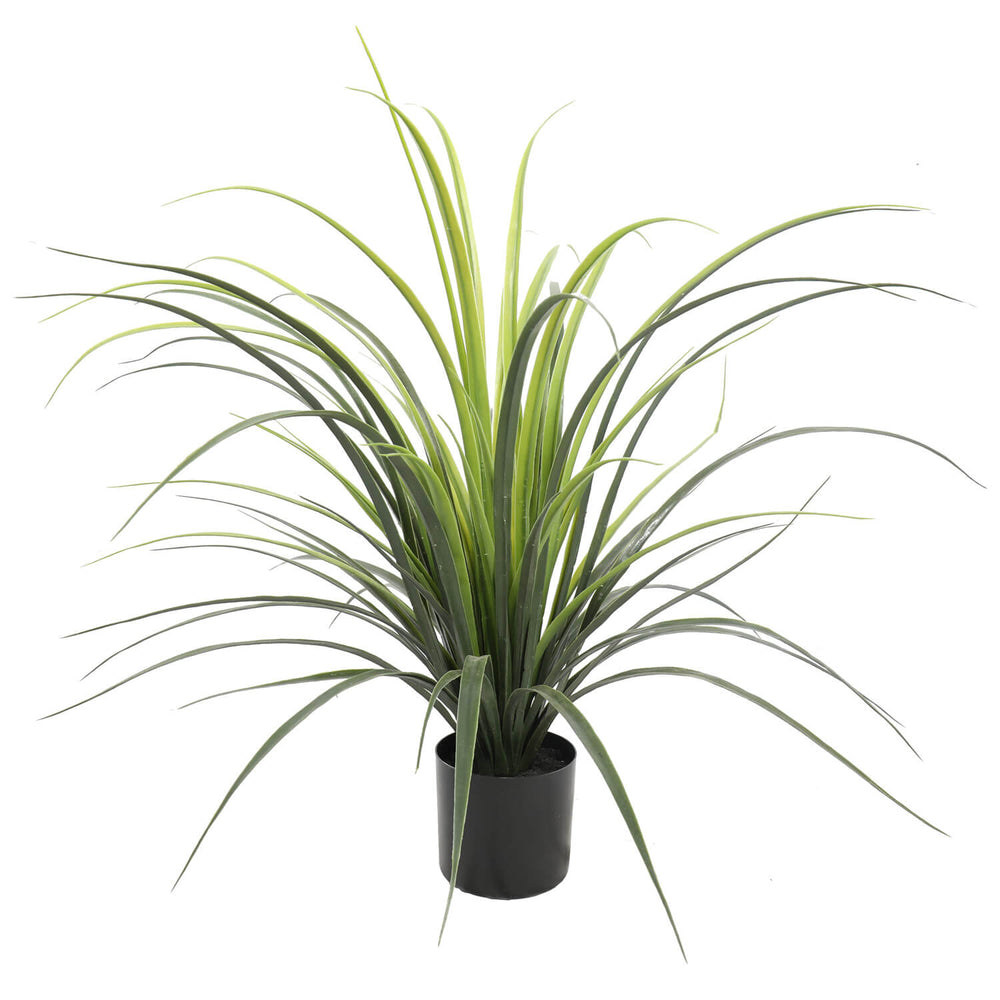
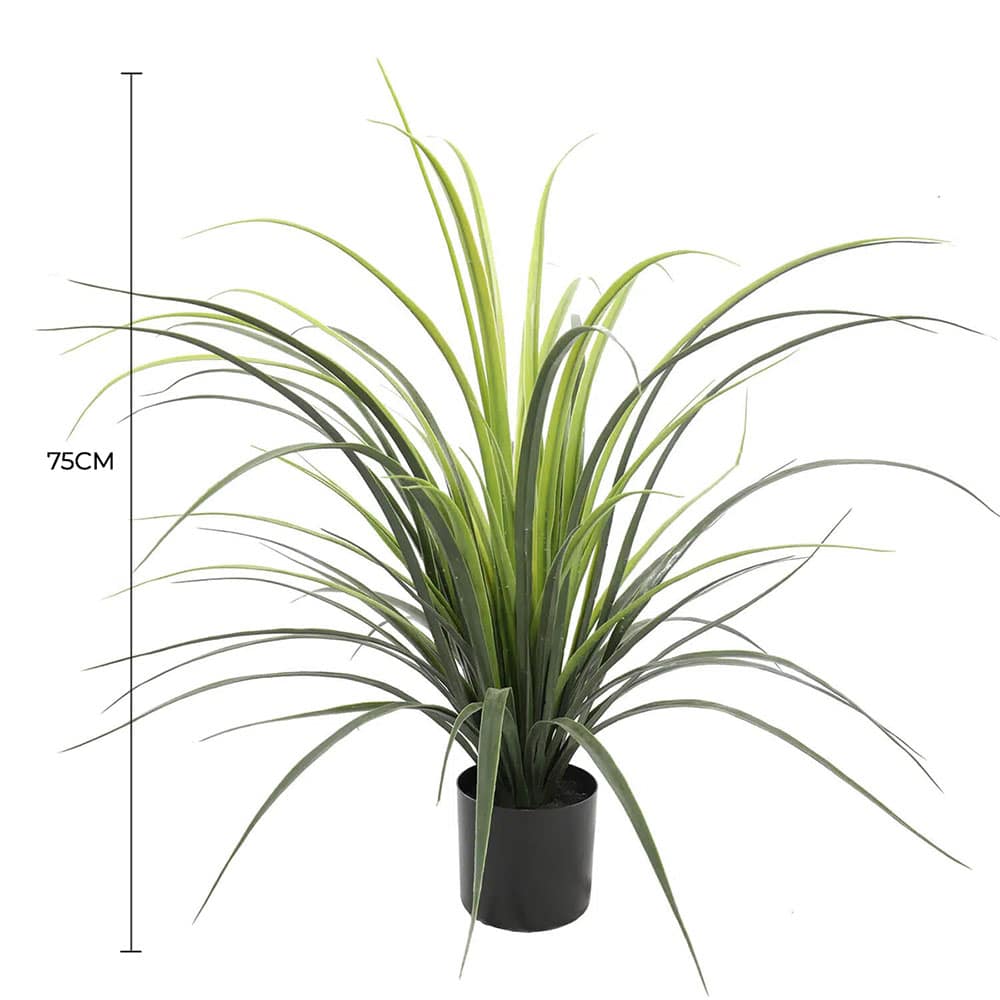
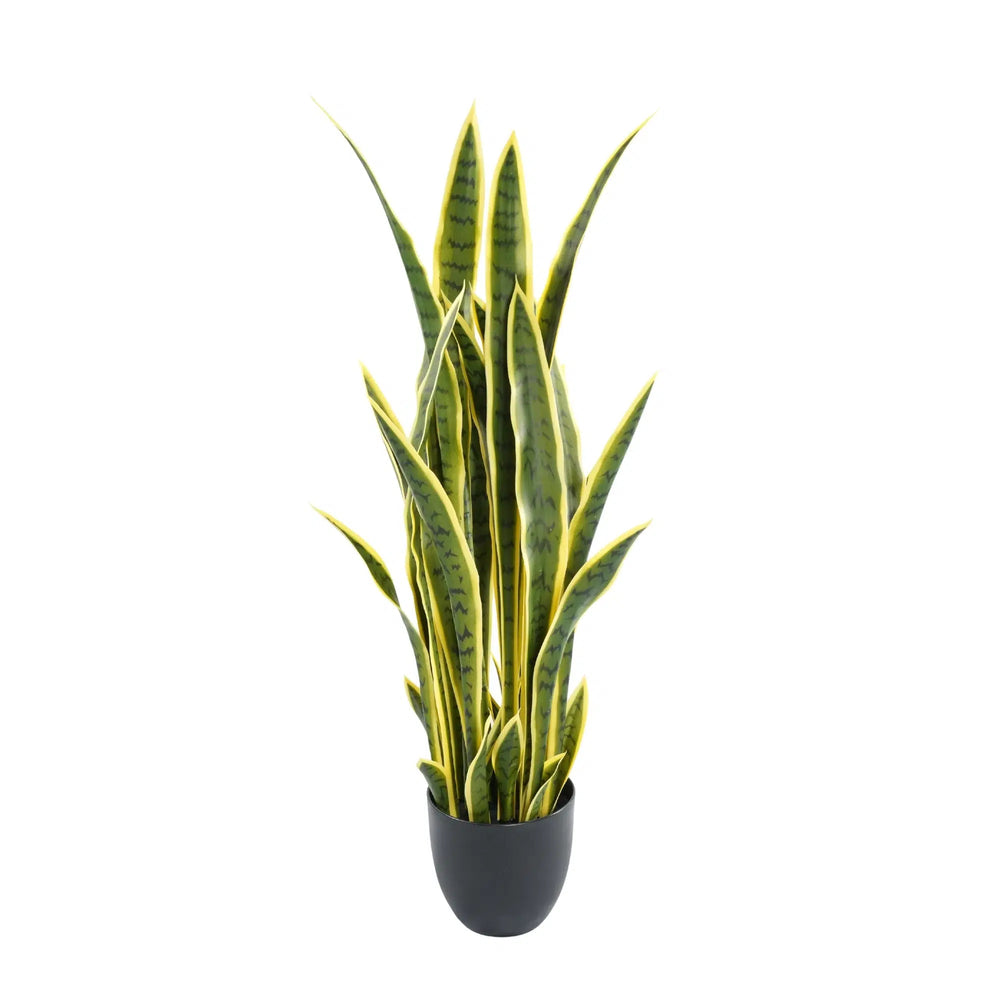
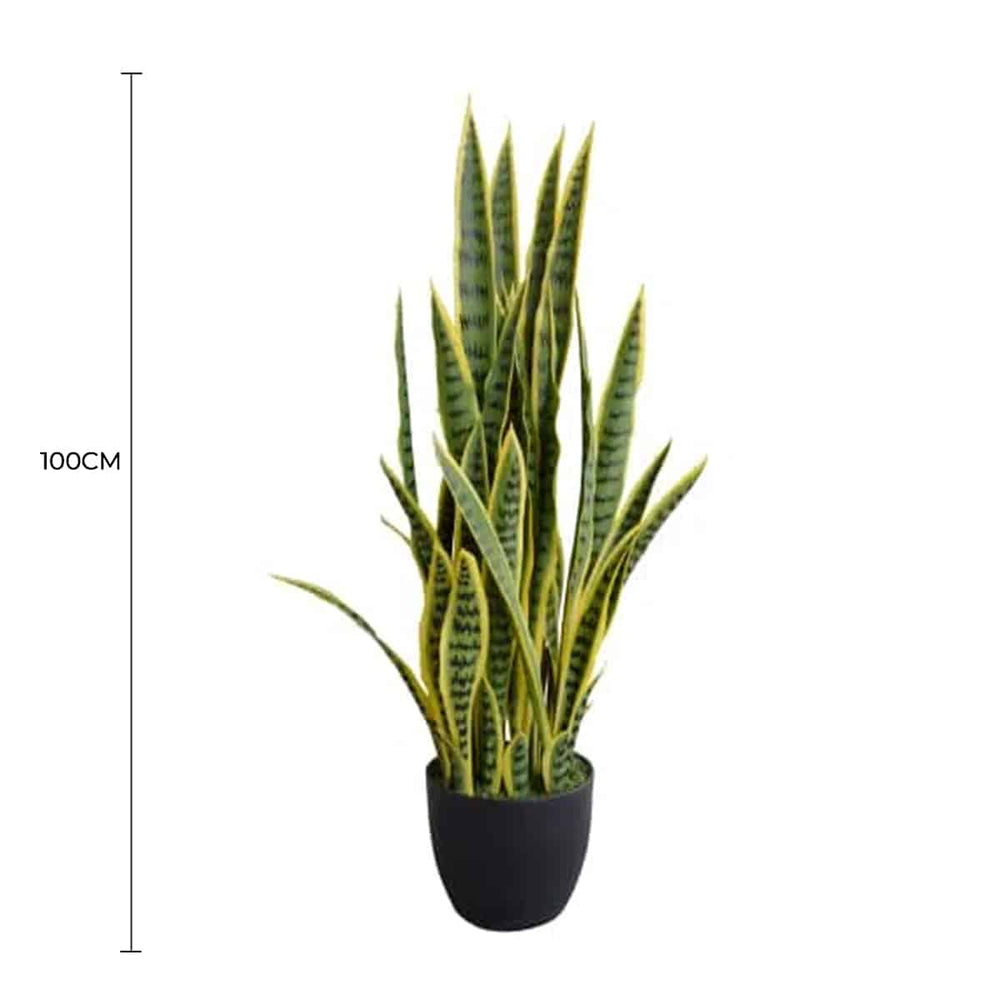
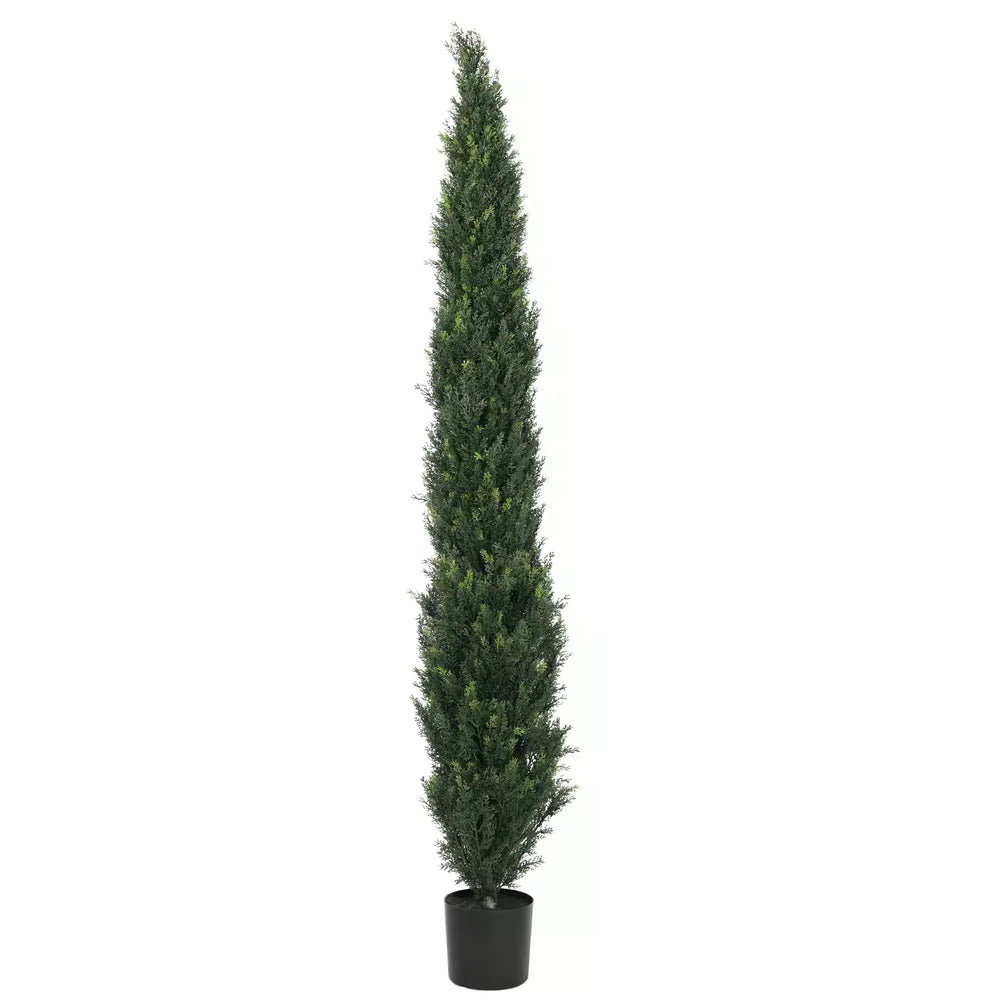
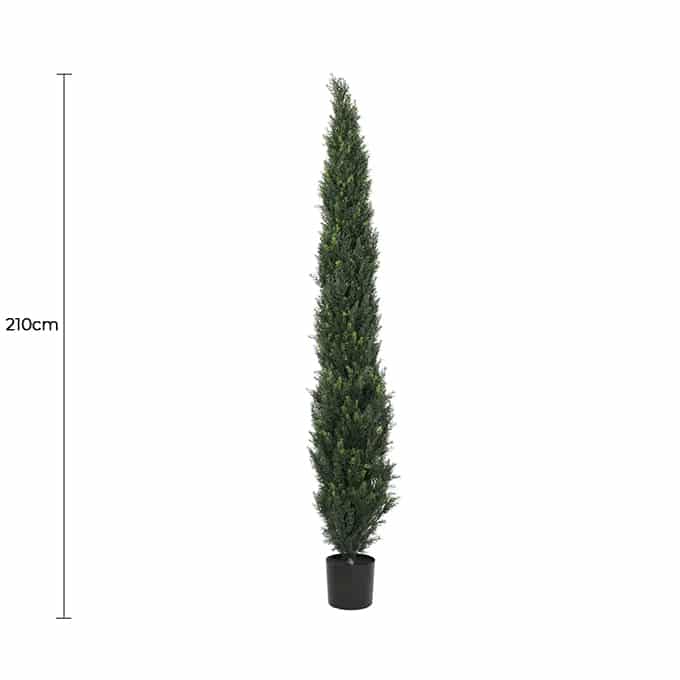
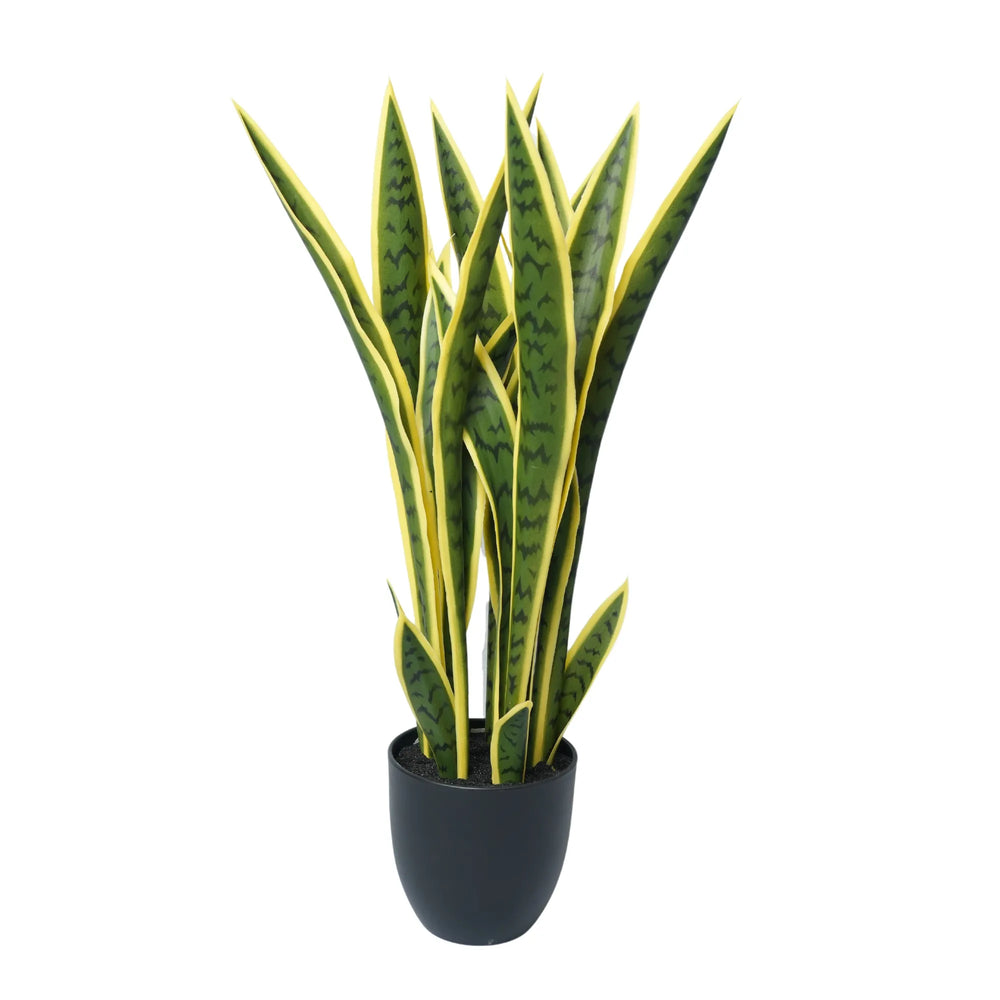
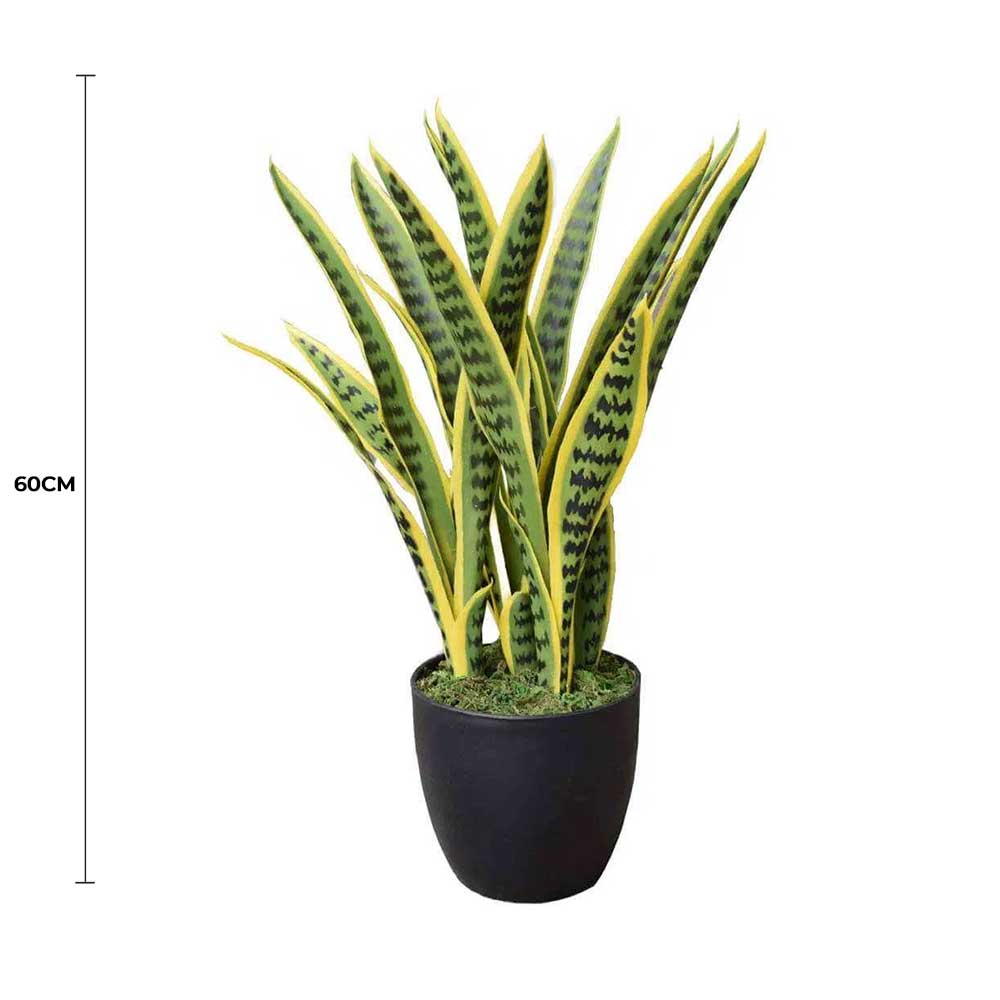
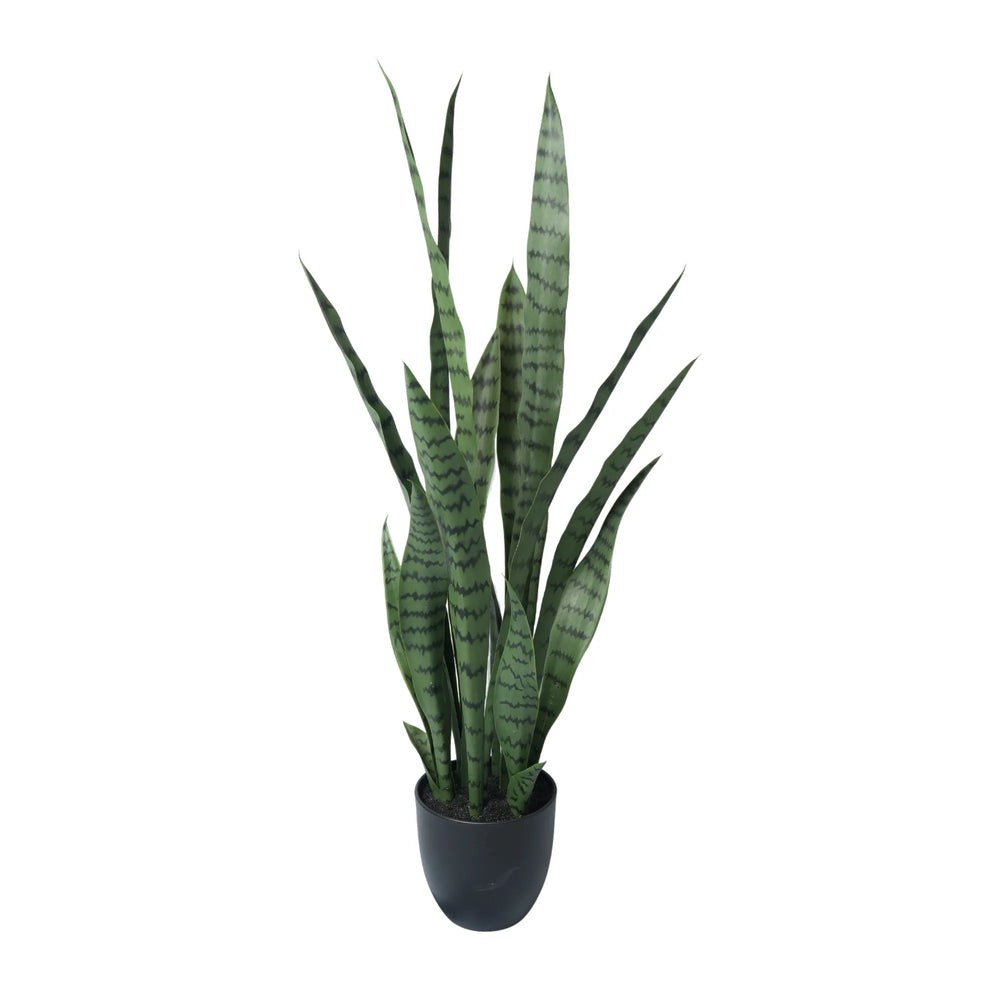
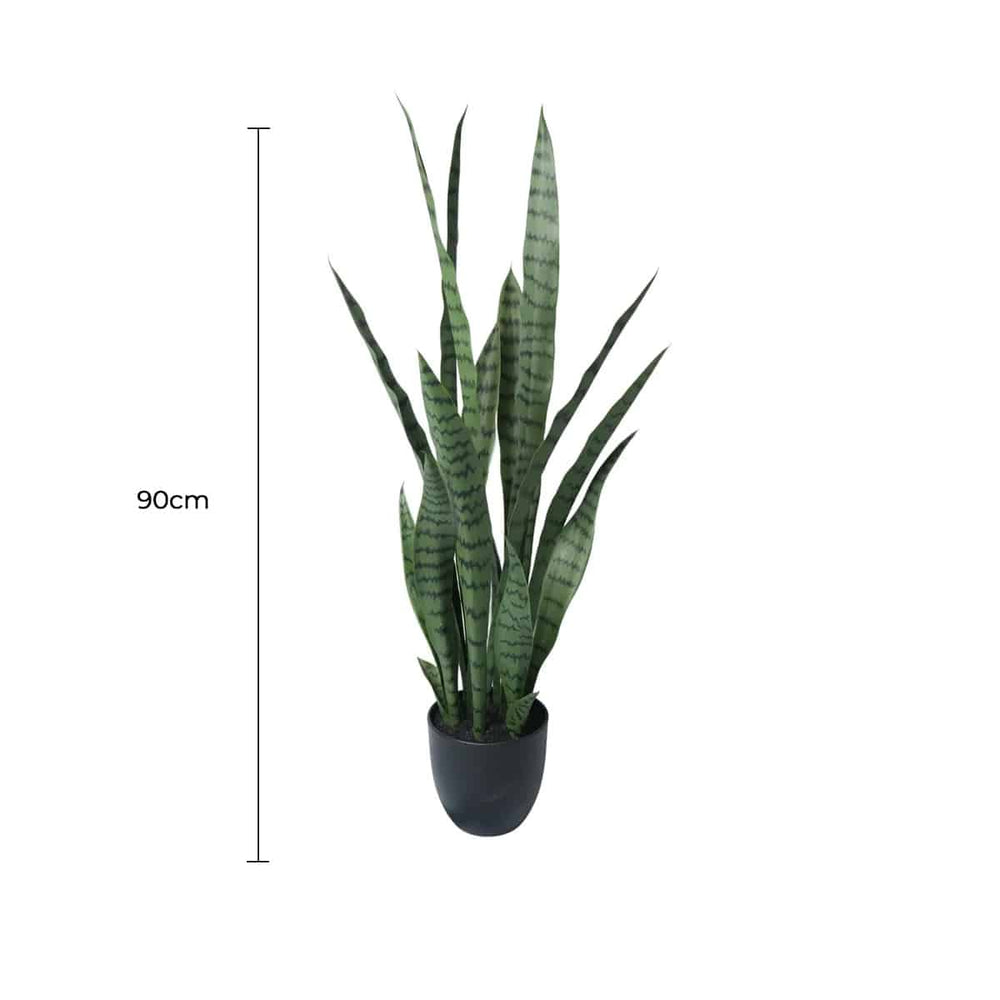
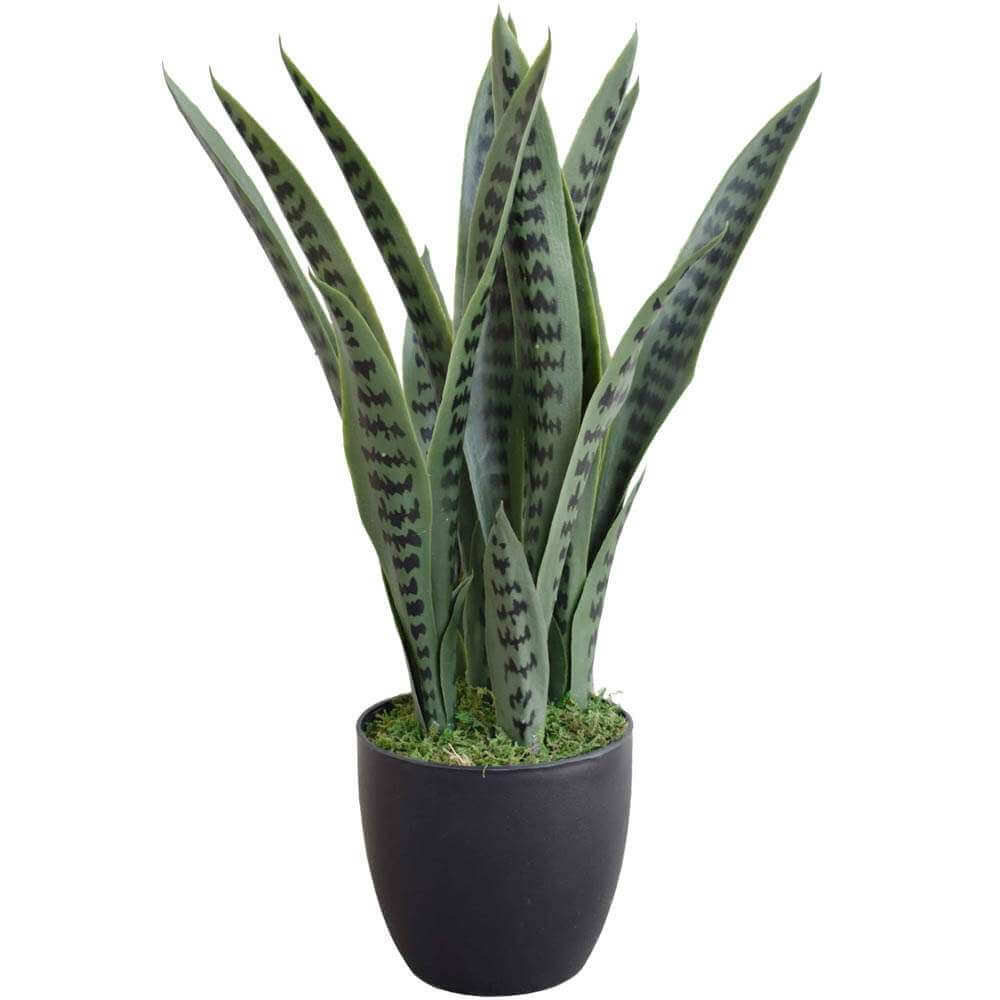
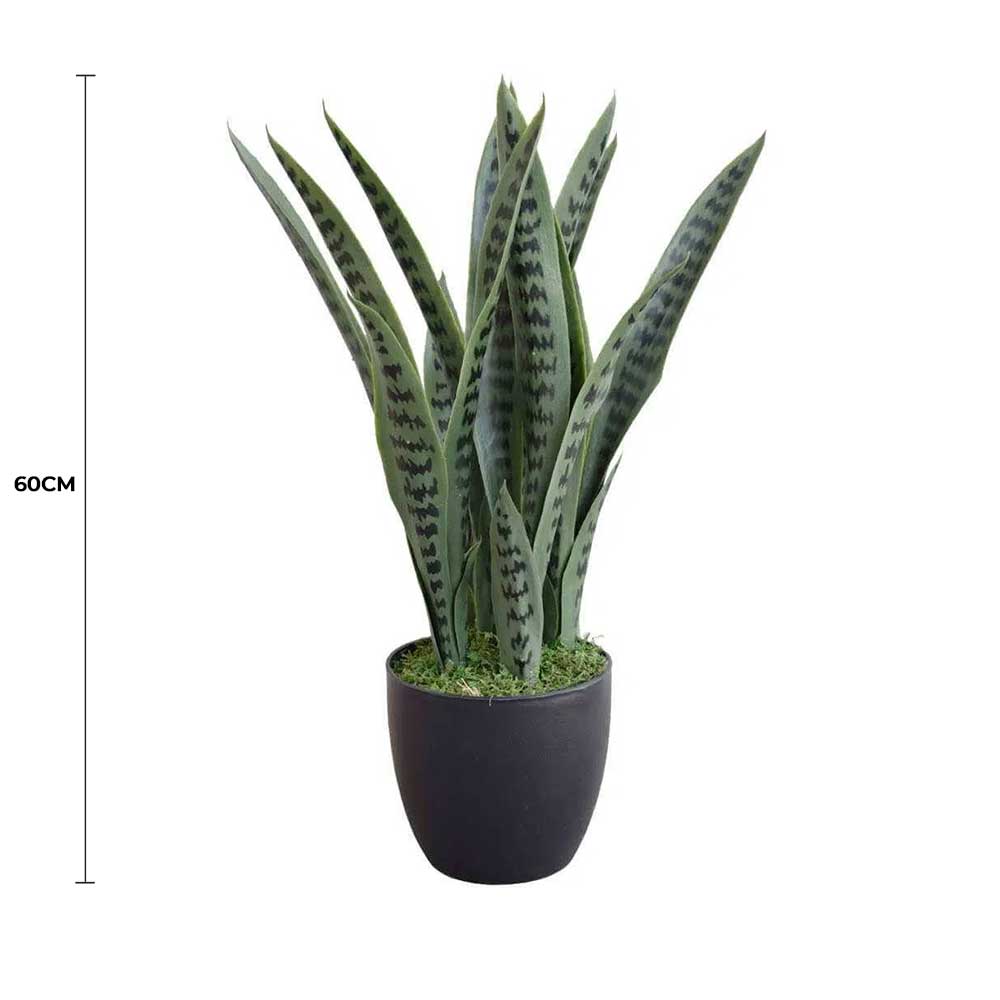
An outdoor artificial tree does the structural work in a courtyard, entry or terrace that no potted plant can do: it holds a corner, frames a doorway or breaks up a blank wall. This collection runs from a 50cm areca palm at $39.95 to a 2.1 metre cypress pine at $499.95, across palms, topiary, olive, ficus, bamboo and sansevieria forms. Every specimen here is UV resistant and made for a permanent outdoor position rather than moved in and out with the weather. Getting the height right matters more than the species, so start there.
Heights and what they suit
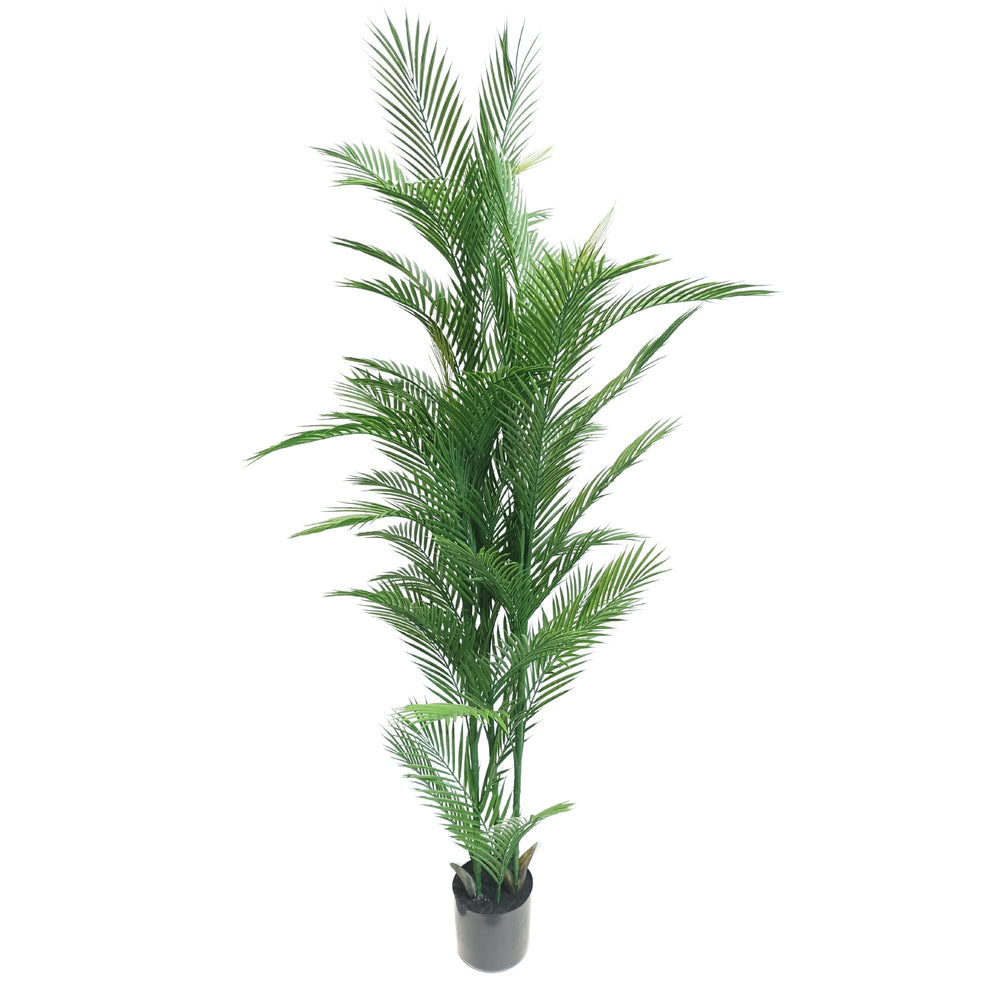
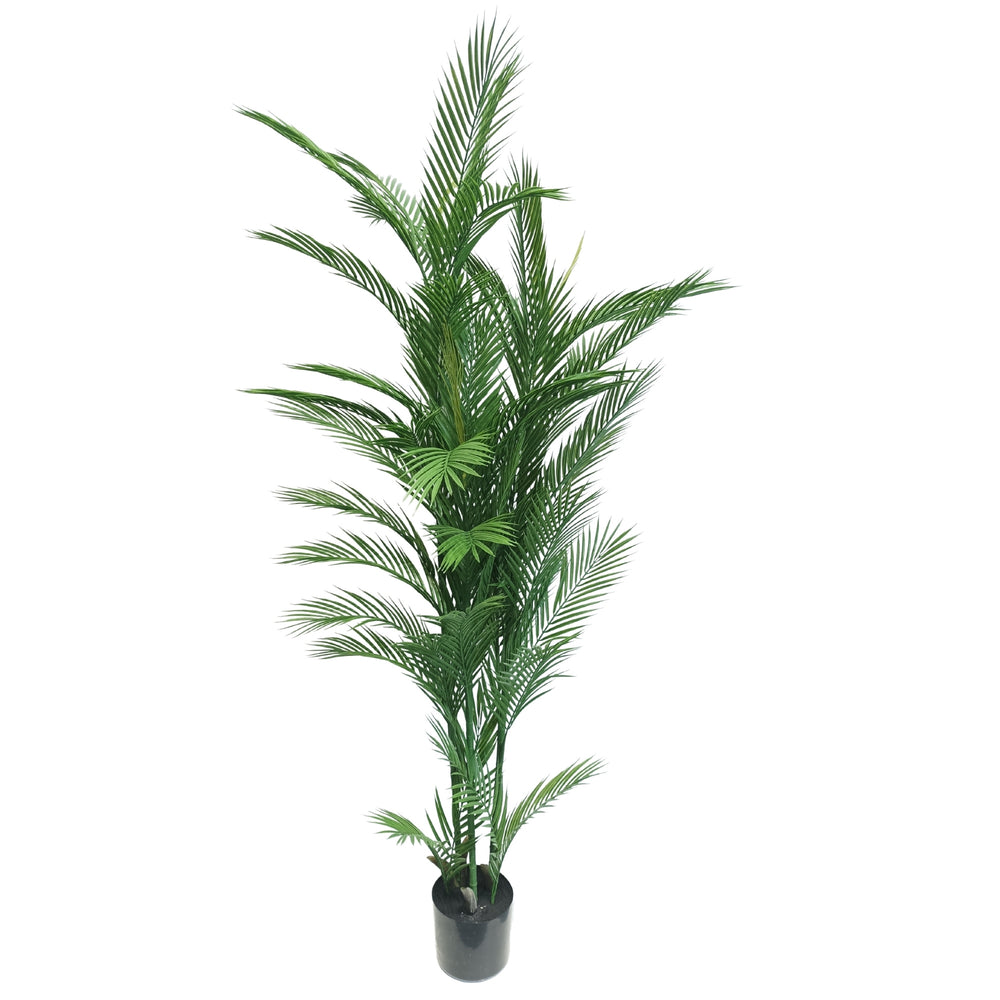
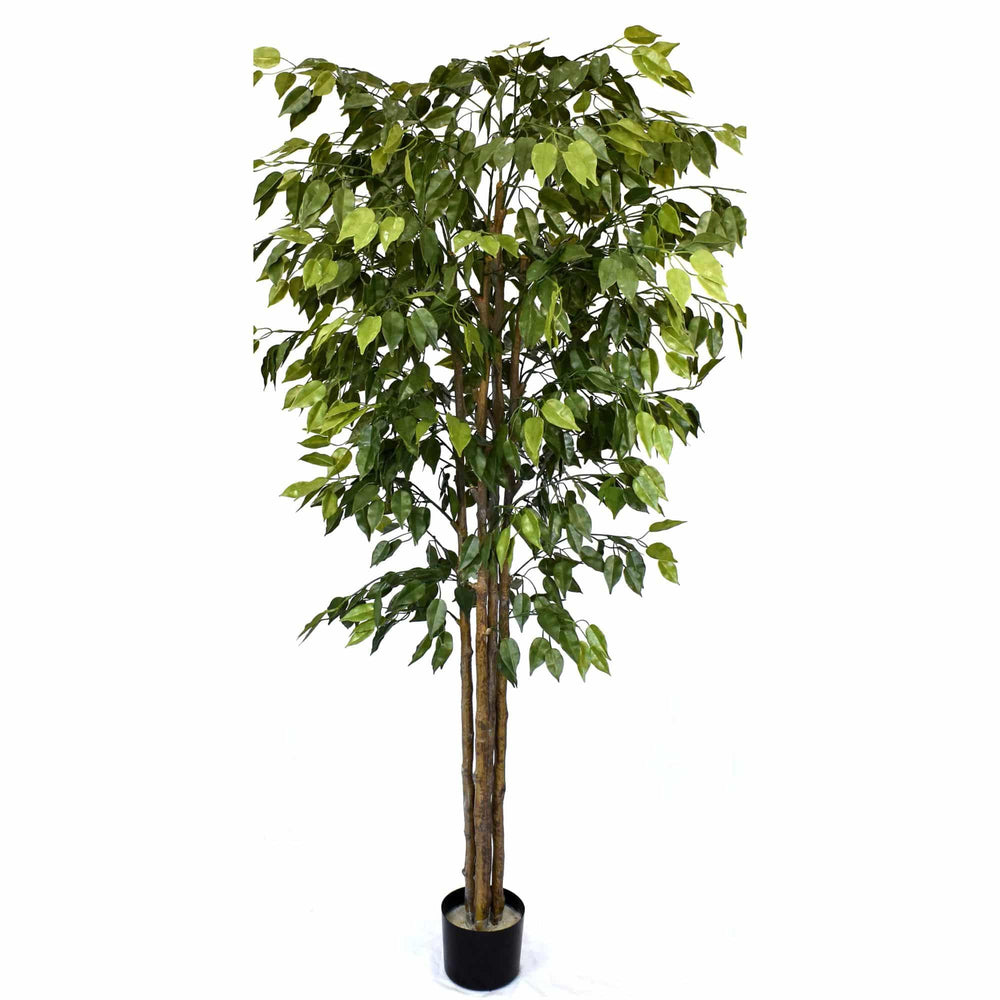
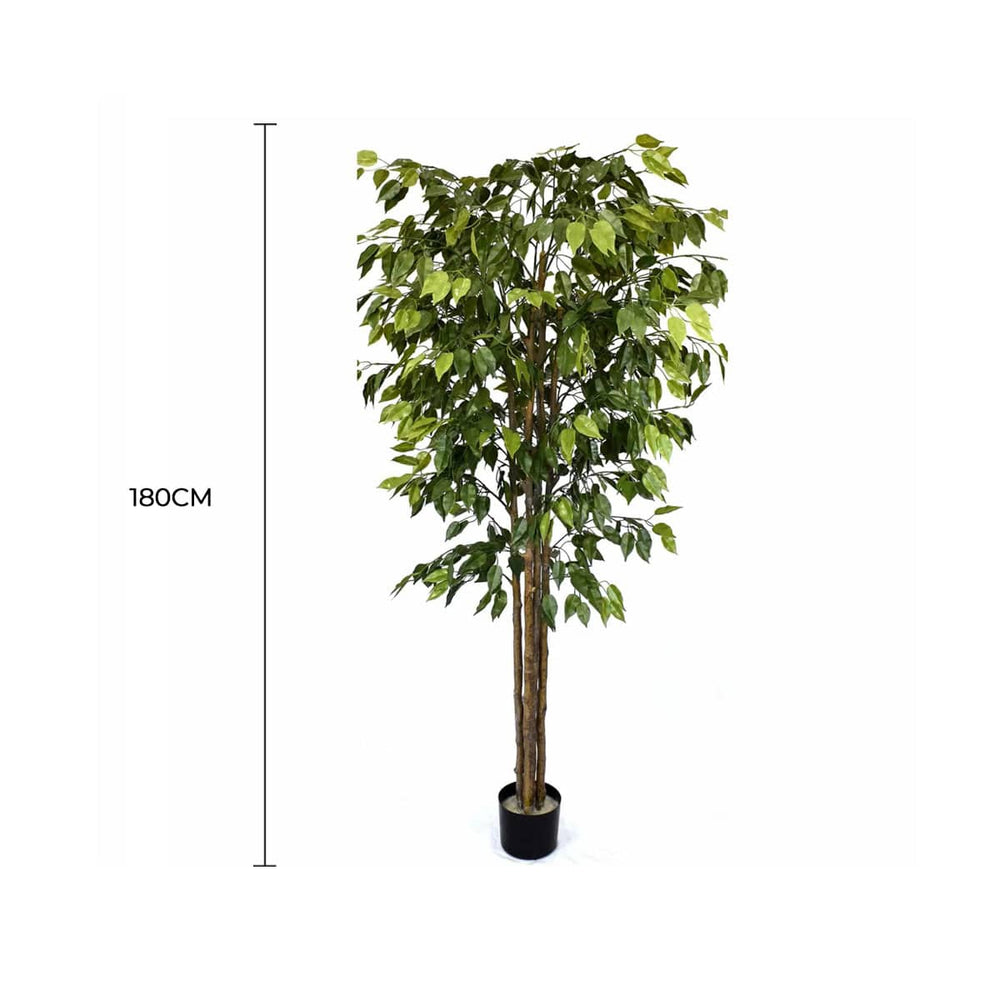
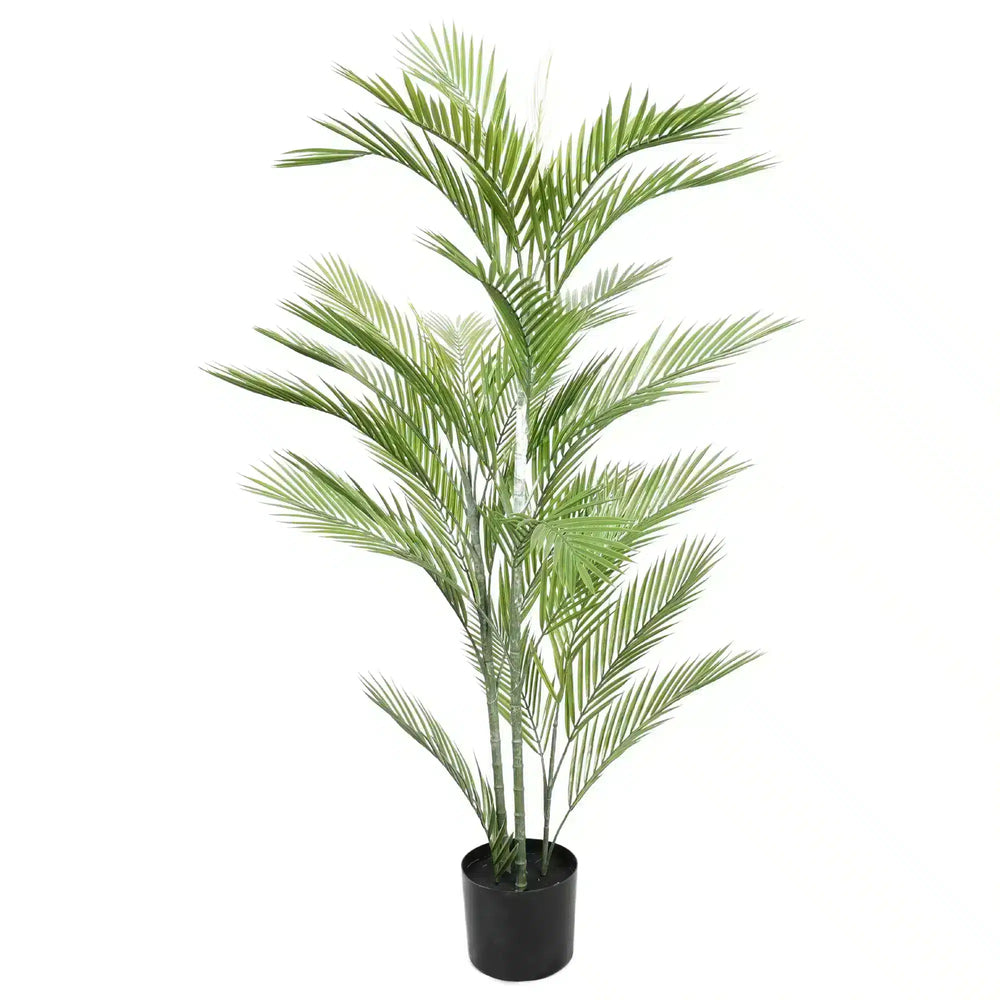
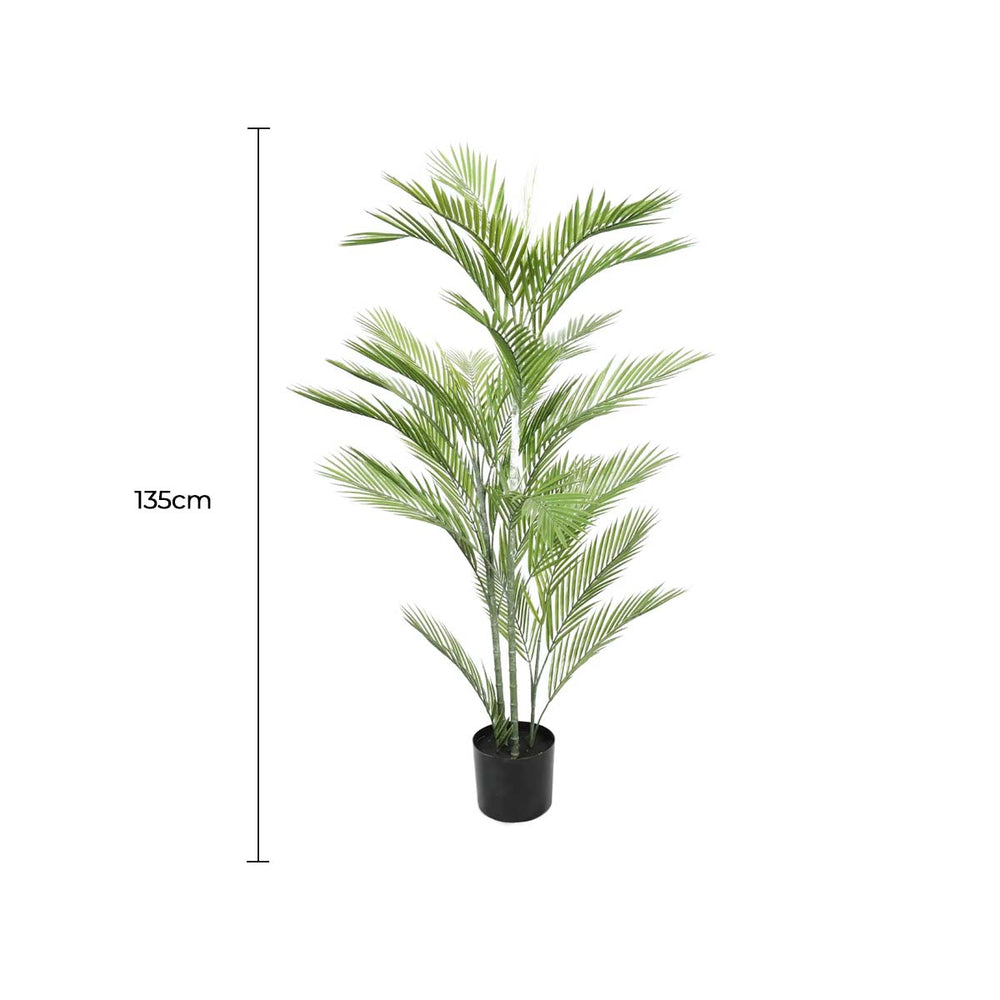
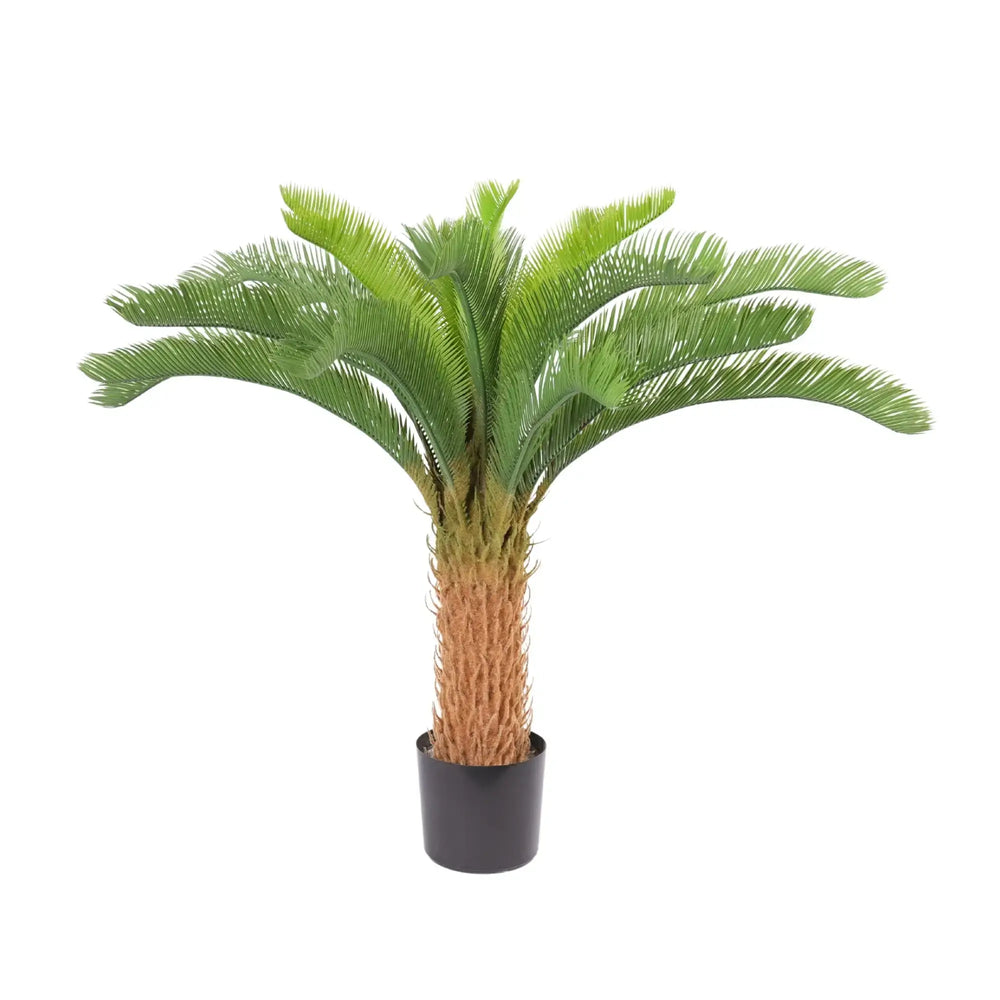
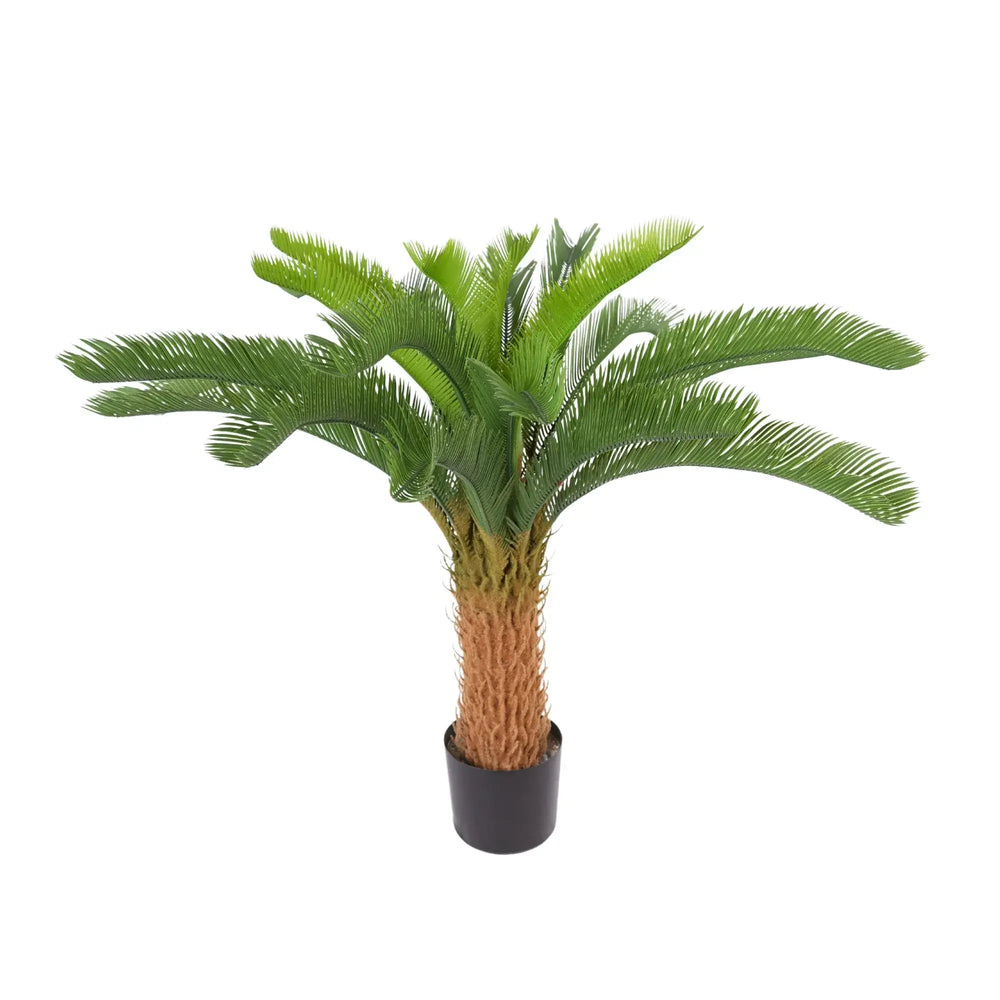
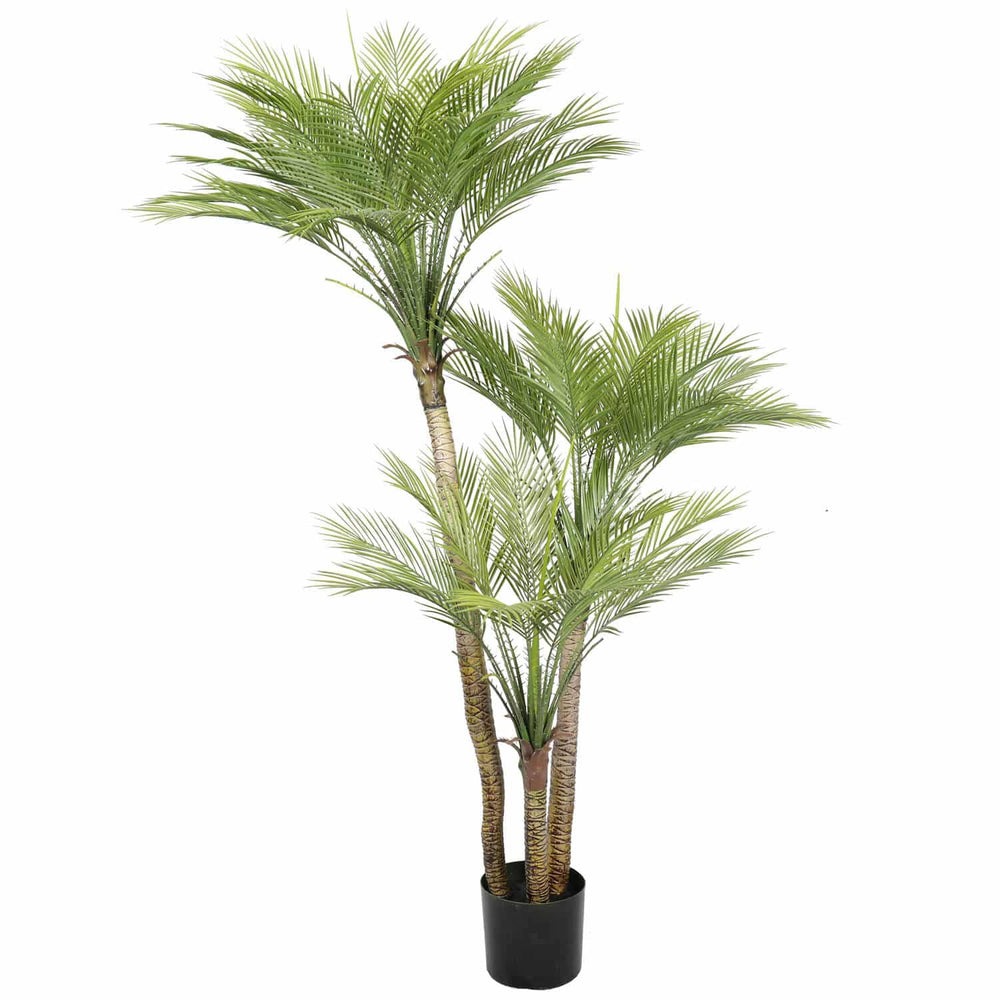
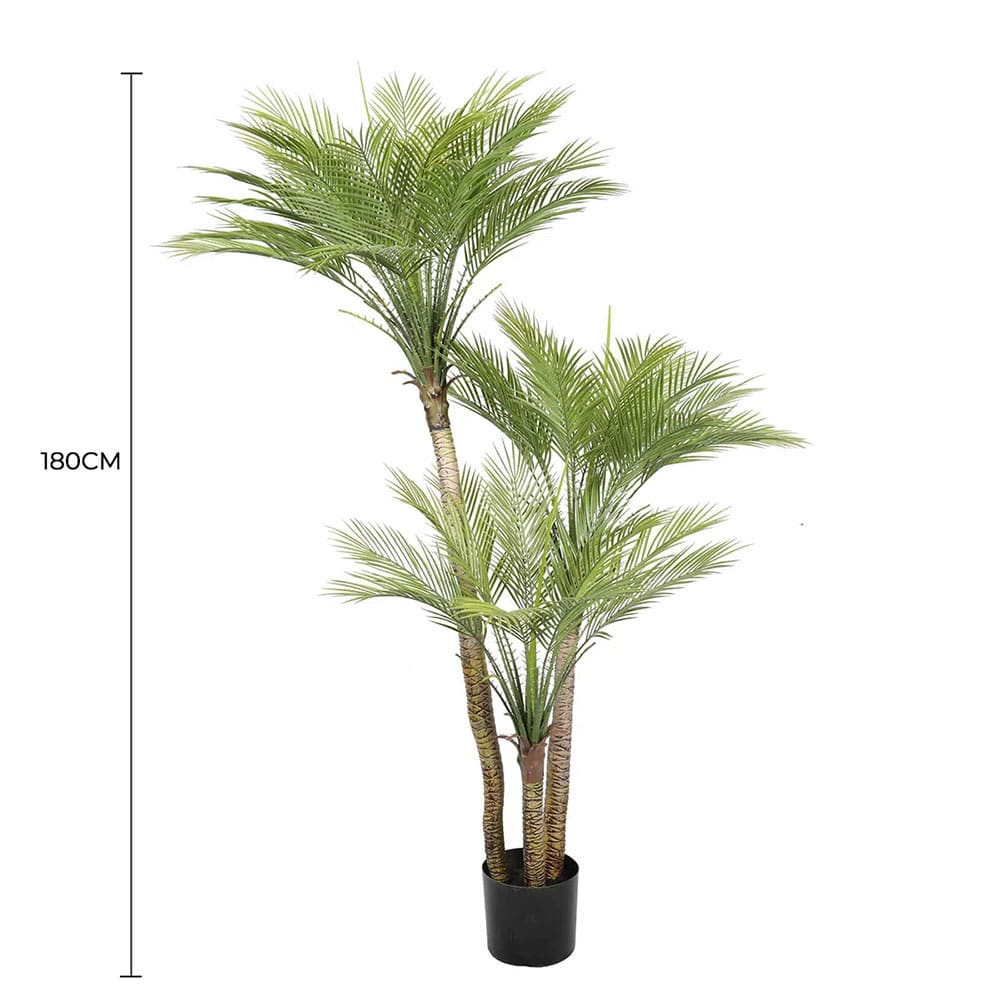
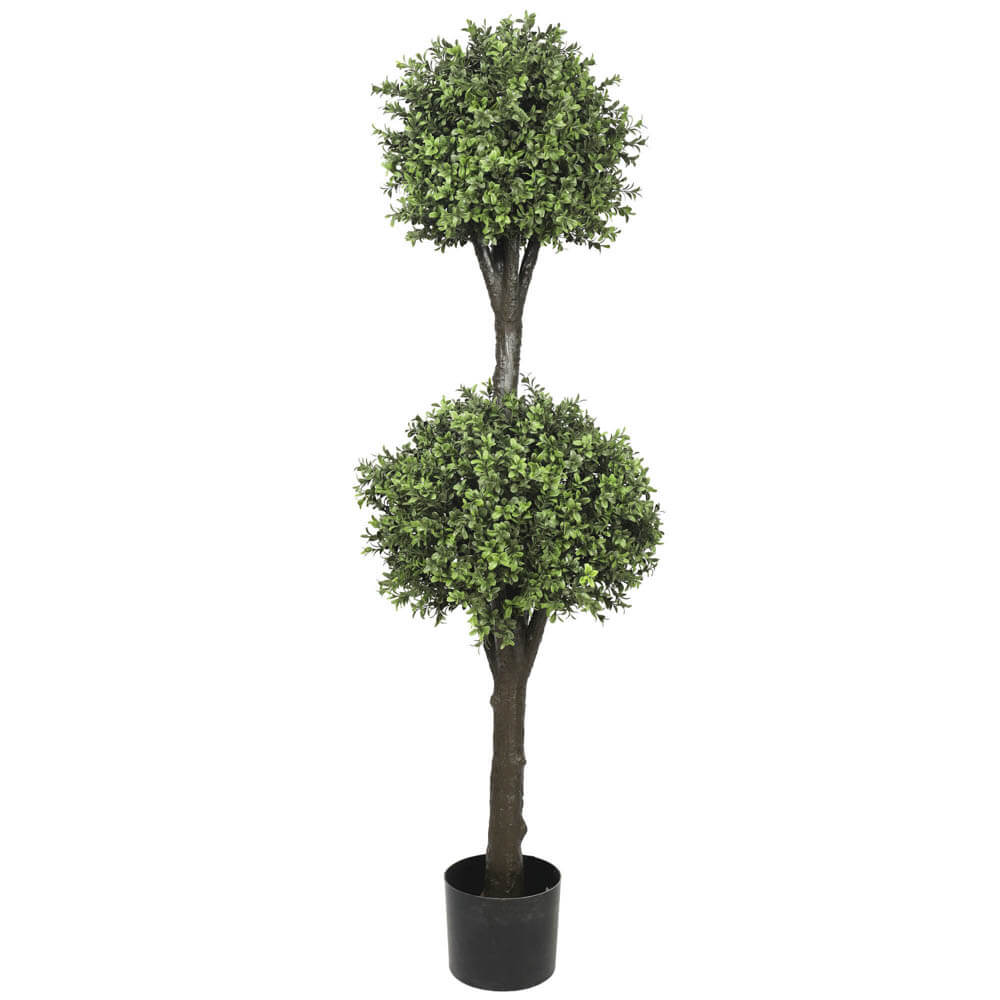
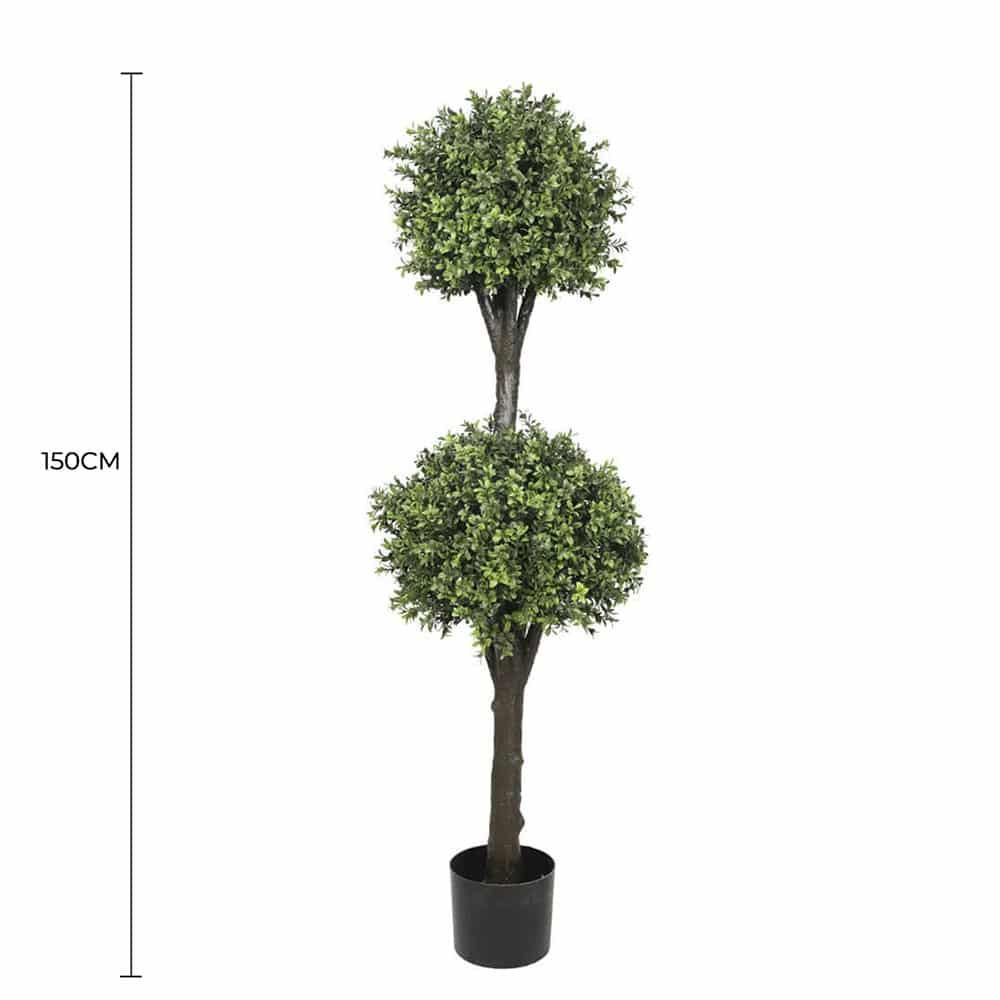
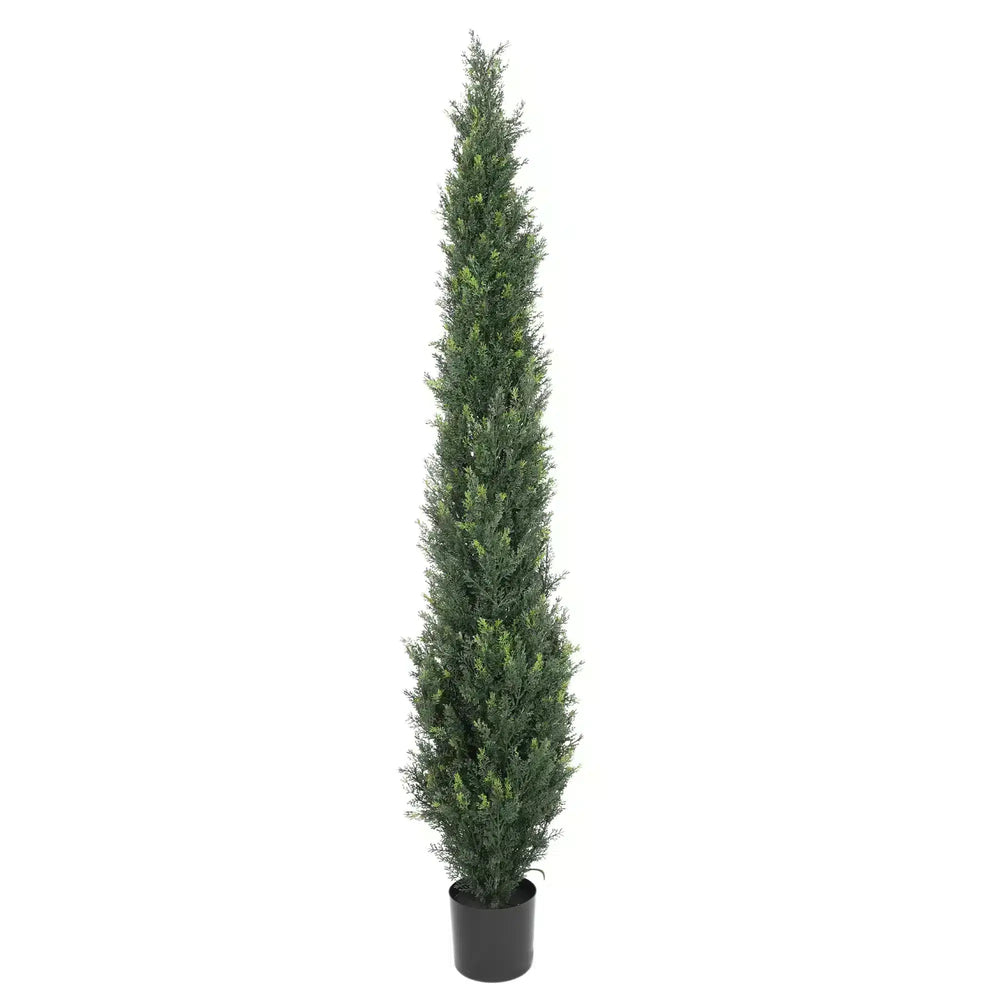
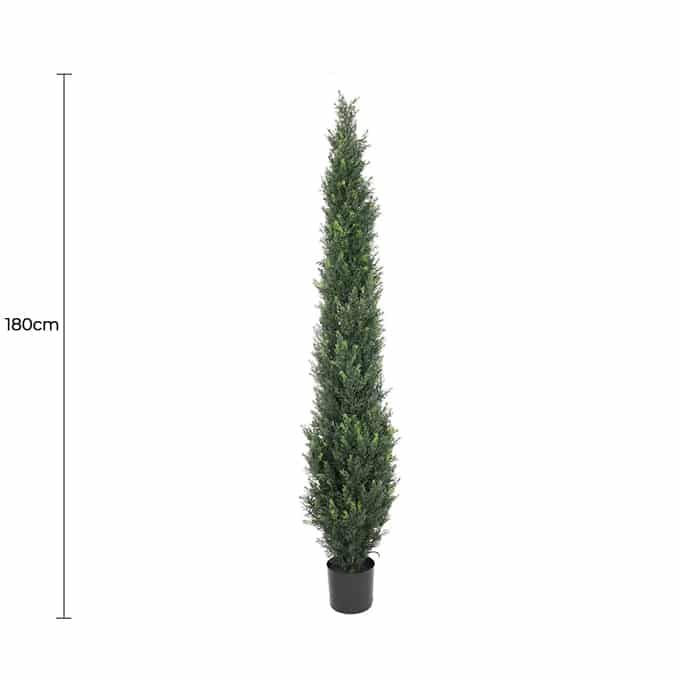
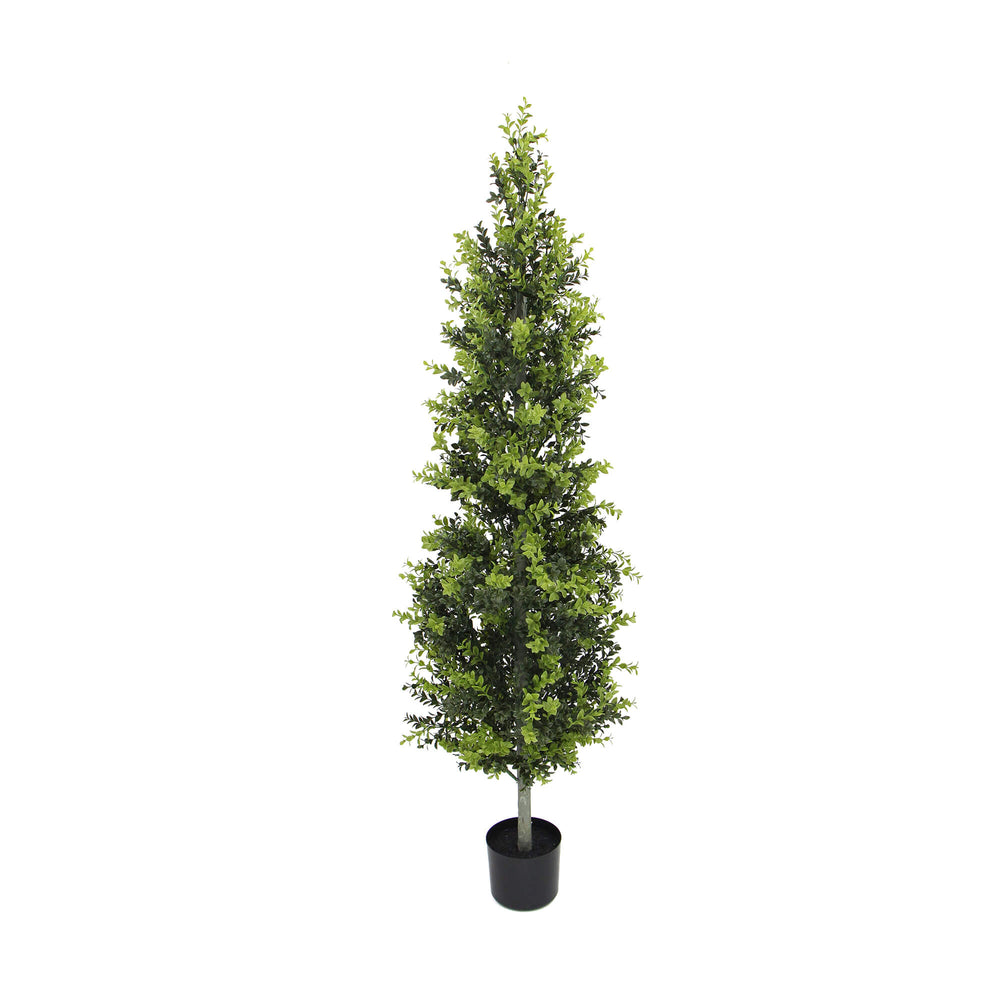
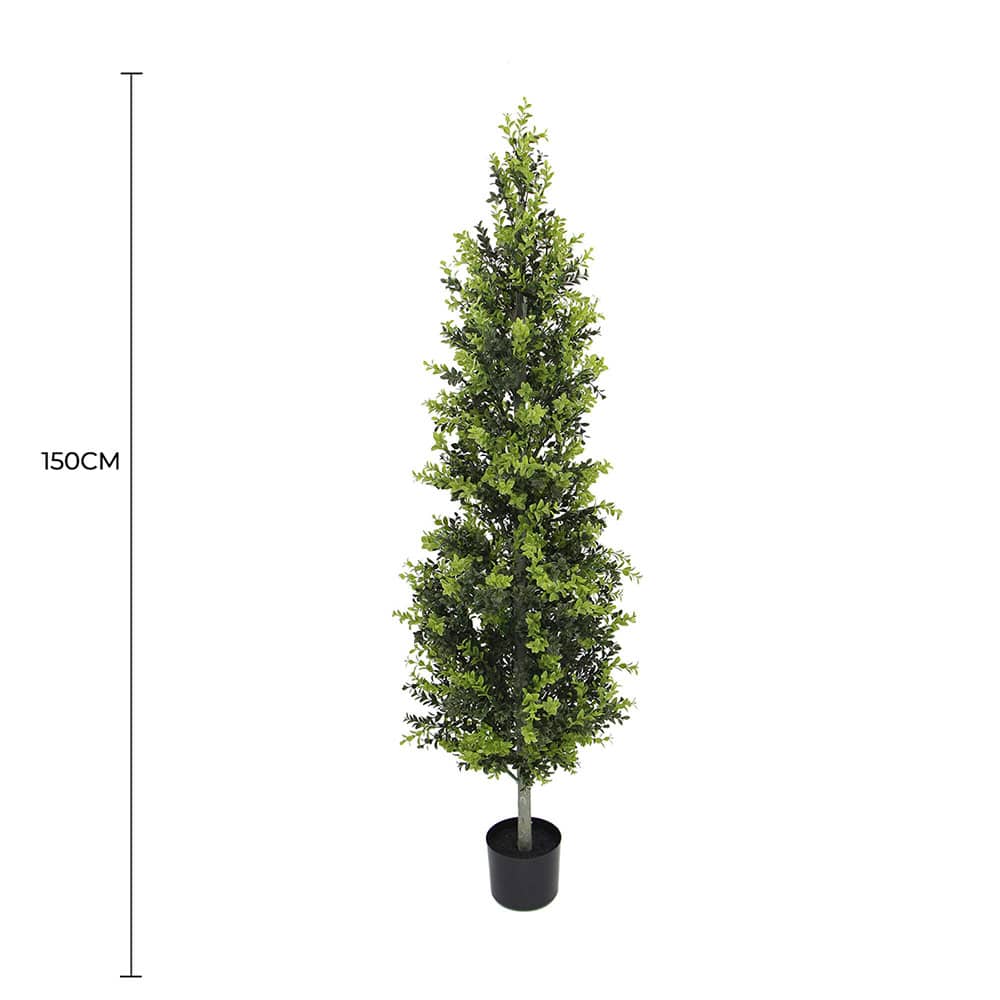
Specimens between 50cm and 105cm sit on a ledge, a bench or either side of a step. Between 135cm and 150cm is the working height for a courtyard corner or a balcony, taking in the phoenix palm at 135cm, topiary spirals and balls at 150cm and the fiddle leaf fig at 150cm. From 180cm to 2.1 metres the tree becomes the feature, which is where the multi-trunk parlour palm, the 180cm olive and the cypress pines are usually specified.
Wind, weight and the position outside
A tall specimen in a light pot is the one thing that goes wrong outdoors, so the planter should be weighted for anything above about 1.5 metres in an exposed spot. Set taller trees against a wall or in a corner rather than free in the middle of a windy terrace. Rain is not an issue and helps keep the foliage clean.
Choosing the form
Palms read tropical and suit poolsides, while clipped topiary in ball, spiral and two-ball forms reads formal against a modern facade. Olive, ficus and cypress sit between the two and suit a Mediterranean or native courtyard scheme.
Why Designer Plants
55,000+ Australian installations. Across homes, courtyards, terraces and commercial entries.
UVTex technology. UV inhibitors bonded within the leaf, not surface-applied.
RealTex finish. Tone and leaf variation across the canopy rather than one flat green.
Australia-wide delivery. Door-to-door tracking on every order.
Explore the Rest of the Range
Related categories and the parts needed to finish the job.
 In this range
UV Outdoor Artificial PlantsUV-certified specimens built to hold colour and form in direct Australian sun.Shop the range ›
In this range
UV Outdoor Artificial PlantsUV-certified specimens built to hold colour and form in direct Australian sun.Shop the range ›
 In this range
Portable Greenery & DiscsMovable greenery and wall discs for renters, balconies and leased premises.Shop the range ›
In this range
Portable Greenery & DiscsMovable greenery and wall discs for renters, balconies and leased premises.Shop the range ›
 Browse the range
Green WallsPanels, hedge tiles, moss and flower walls, plus the hardware to fit them.Shop the range ›
Browse the range
Green WallsPanels, hedge tiles, moss and flower walls, plus the hardware to fit them.Shop the range ›
 Browse the range
Plants & TreesStatement trees, potted plants and topiary for interiors that need presence.Shop the range ›
Browse the range
Plants & TreesStatement trees, potted plants and topiary for interiors that need presence.Shop the range ›
Commercial Installations for Global Brands
Selected for workplaces, hospitality, retail and residential projects across Australia.


Frequently Asked Questions
What height outdoor artificial tree suits a courtyard?
Between 135cm and 180cm covers most courtyards. At 150cm a topiary spiral or fiddle leaf fig reads as a planted specimen without dominating, and at 180cm the olive tree or multi-trunk parlour palm becomes the focal point. The 2.1 metre cypress pine is usually reserved for a double-height entry or a tall boundary wall.
Do fake outdoor trees look convincing up close?
At close range the giveaway is uniformity, so the canopies here use RealTex tone and leaf variation rather than one repeated green. Multi-trunk forms such as the 180cm parlour palm help, because a single perfectly straight trunk is what reads as manufactured. Fake tree and artificial tree describe the same product; the construction is what separates one from another.
How are outdoor artificial trees secured against wind?
The specimen is rarely the problem, the planter is. For anything above about 1.5 metres in an exposed position, weight the base of the pot and set the tree against a wall or into a corner rather than free-standing on an open terrace. A 190cm potted palm in a light plastic planter on a windy rooftop is the case that needs attention.
Which outdoor artificial trees suit a poolside?
Palms are the usual choice, and the phoenix palm at 135cm and 180cm, the cycas palm at 105cm and the areca palm at 50cm cover most poolside briefs at different scales. Splash and reflected heat are not an issue, and rinsing the fronds with fresh water occasionally keeps chlorine residue off them.
How do outdoor artificial trees compare with portable hedges?
Trees give height and a single focal point, while a hedge gives a continuous horizontal screen. Portable greenery and discs covers troughed hedges from 25cm to 2 metres high for screening a boundary or a rail. A common pairing is a hedge run along the edge of a terrace with one 1.8 metre tree anchoring the corner.
Are the outdoor artificial trees supplied in a pot?
It depends on the specimen and the title states it. Products listed as potted, such as the 190cm tropical phoenix palm or the 120cm topiary tree, arrive in their own planter. Others are supplied as the specimen alone so they can be dropped into a pot that matches an existing scheme.
What do outdoor artificial trees cost?
The range runs from $39.95 for a 50cm areca palm to $499.95 for the 2.1 metre cypress pine. Most courtyard-scale specimens between 150cm and 180cm sit between $150 and $350, with topiary generally lower than the tall palms at the same height.
Do outdoor artificial trees need any maintenance?
No watering, feeding or pruning, and no leaf drop into a pool or across paving. A hose rinse two or three times a year clears dust from the canopy. Clipped forms such as the topiary spiral and two-ball shrub hold their shape permanently, which is the part a live specimen would need trimming twice a year to keep.

Get a Free Quote & Consultation
Bring your vision to life with custom green walls and artificial plants. Share the space and a Designer Plants specialist will come back with a costed recommendation.
Commercial Grade. Made for Lasting Impact.
Trees carry the visual weight in an entry, an atrium forecourt or a rooftop terrace, and they are the element a client notices first when a scheme is handed over.
Matched pairs and runs. Specimens for symmetrical entries or repeated along a colonnade are supplied from the same production run so the canopies read as a set.
Scaled to the elevation. Heights from 50cm to 2.1 metres cover ledge planting through to feature specimens, so one supplier can service every level of a facade.
No irrigation or replacement cycle. Exterior trees in shopping centres and hospitality venues avoid the drainage, feeding and seasonal replacement a live specimen requires in the same position.
Availability on larger heights is confirmed on enquiry.
Speak with a project specialist 1800 617 341