
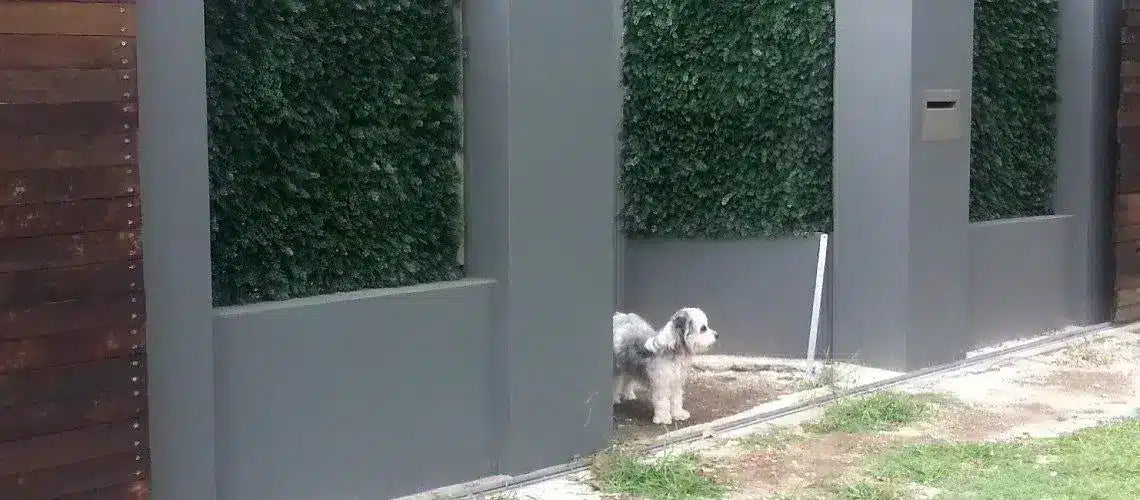
A stylish and nice home is great, but it’s not worth the hype if it isn’t safe for your loved ones.
And as tough as it is to swallow, some decor may have a detrimental impact on your and your family’s health. Parts of this unwanted decor are toxic artificial plants that do more bad than good.
Unfortunately, there are many of them. Our founder, David Eden, estimates that up to 95% of the artificial plants on the market aren’t safe for families and pets.
Safe artificial plants are a great way to add pleasant greenery to your space without maintenance, but it’s not easy to see which plants are actually non-toxic.
In this guide, we’ll break down everything you need to know about choosing the best family-safe artificial plants so you can keep your indoor and outdoor spaces both beautiful and worry-free.
Are Artificial Plants Safe?
It depends. There are safe artificial plants and there are toxic artificial plants. Sometimes, they may even look alike.
While high-quality family-safe artificial plants for indoor use and family-safe artificial plants for outdoor use can be found on the market, you’ll need to know some BTS secrets to determine if you’re looking at a good fake plant or not. Low-quality versions often contain hazardous (and even banned) substances.
Some artificial plants release toxic gases when exposed to heat or degrade over time, becoming a risk for children and pets who may touch or chew on them.
Luckily though, there are tips you can follow to separate apples from oranges and make sure you’re getting fauxliege that won’t harm your loved ones.
The answer lies in identifying whether an artificial plant contains The Toxic Ten or adheres to The Safe Six standards.
 Let’s take a closer look at what that means.
What Is The Toxic Ten?
The Toxic Ten refers to a group of hazardous chemicals and substances commonly found in low-quality artificial plants. It’s a term our team made up to easily tell materials and chemicals apart.
These substances have been linked to serious health concerns such as respiratory problems, developmental issues, and even cancer, which you’ll see in the studies linked below.
The RoHS (Restriction of Hazardous Substances) regulations ban these chemicals due to their harmful effects, but since the artificial plant industry isn’t regulated in Australia, many manufacturers and suppliers still use them.
So, here’s what you need to watch out for before choosing an artificial plant:
- Lead – Often used to stabilise plastic colour pigments, lead exposure can cause developmental delays, neurological issues, and other severe health conditions, especially in children and pets.
- Mercury – Found in low-grade materials including low-quality faux plants, mercury is a highly toxic element that can cause brain damage, birth defects, and kidney damage.
- Cadmium – A known carcinogen, cadmium is used in some colouring plastics for various products including fake plants. With prolonged exposure, it can lead to cancer and kidney failure.
- Volatile Organic Compounds (VOCs) – These chemicals are released as gases when plastics heat up. The compounds irritate the respiratory system and can cause long-term health problems.
- Formaldehyde – This chemical is a carcinogen used in adhesives and dyes and exposure to it can cause respiratory issues and skin irritation. It's particularly dangerous in enclosed indoor spaces.
- Brominated Flame Retardants (BFRs) – Found in low-quality plastics, BFRs have been linked to hormone disruption and reproductive issues, so they should be kept away from vulnerable individuals, including children and pets.
- Phthalates – Phthalates are commonly used to soften plastics and make faux plants moldable. Their use is known to cause hormone imbalances and developmental issues in children.
- Polycyclic Aromatic Hydrocarbons (PAHs) – Found in lower-grade plastics, PAHs come with high risks of cancer, especially after prolonged exposure.
- Bisphenol A (BPA) – This chemical is used to harden plastics and ensure faux plants can stand up straight. Over time, BPA can leach into the air and cause hormone disruptions.
- Chlorine Compounds – Lastly, these compounds are common in cheap PVC plastics and can release harmful gases when degraded or exposed to heat. These gases irritate the airways and create other health issues.
If an artificial plant contains any of these substances, it’s best to avoid it, especially if you have children or pets who may interact with it often.
What Are The Safe Six?
On the flip side, The Safe Six are the qualities that define family and pet-safe artificial plants and non-toxic fake greenery. They’re the other group of characteristics our team put together to help us judge the quality of the faux plants we sell and to educate our clients before their purchase.
These six factors ensure that the faux plants are free from harmful chemicals and safe for all members of the household:
- RoHS compliance – Artificial plants that comply with European RoHS standards are free from hazardous substances like lead, mercury, and cadmium (from The Toxic Ten), ensuring they’re safe for your family and pets.
- Independent testing – High-quality artificial plants undergo testing by internationally recognised certification bodies such as SGS to confirm they meet safety and durability standards. Testing per product usually costs between $15,000 and $20,000, which is why many manufacturers skip over it.
- Non-toxic stabilisers – Instead of harmful chemical additives, these plants use safe alternatives for UV stabilisation and colour retention, which prevents the release of toxins.
- Low off-gassing – Premium artificial plants are designed to resist releasing harmful fumes, making them ideal for both indoor and outdoor use, even in particularly warm environments.
- Pet and child-safe materials – These faux plants are made with materials free from toxic additives and harmful plastics that won’t harm your little ones and furry friends.
- Durability and longevity – High-quality artificial plants do not fade, crack, or degrade prematurely, making them a long-lasting investment. Our faux plants are UV-tested for over 5,000 hours to ensure it can withstand sunny conditions.
By ensuring your artificial plants meet The Safe Six standards, you can confidently add greenery to your home without worrying about potential health hazards.
How to Choose Family and Pet-Safe Artificial Plants
Now that you know what makes an artificial plant safe or unsafe, here are the key steps to finding the best family-safe artificial plants for your home:
1. Ensure the plants are non-toxic
 Check the materials used in the plant's construction.
Look for manufacturers that clearly state their products are free from The Toxic Ten and adhere to RoHS guidelines.
Reliable brands provide safety certifications from third-party testing organisations like SGS, proving their products meet stringent safety standards. For example, you can see all our certifications on the homepage, and we can send you all the test reports for the fauxliege you like so that you can determine that it fits your household.
2. Look for international certifications
 High-quality pet-friendly fake plants should carry international safety certifications. Some of the most prominent ones to look out for include:
- RoHS compliance that restricts hazardous substances
- SGS testing verifies safety, durability, and quality in the manufacturing process
- ISO certification to ensure manufacturing processes meet global standards
If the plant you’re considering lacks certification and the supplier doesn’t want to provide you with any, it’s best to steer clear. This also goes for manufacturers who can’t produce warranties for their products. If they can’t trust the quality of their own stock, why would you?
At Designer Plants, we have a 5-year fade and crack guarantee for our artificial green walls and hedges, so you can rest assured the vibrancy of your faux plants isn’t going anywhere soon.
3. Make sure panels aren’t climbable
 If you’re purchasing artificial green walls or hedges, consider their structure and the location in which you’re planning to place them.
Some faux greenery panels may have gaps or weak areas that make them easy for children or pets to climb. Of course, this can pose a safety risk if the panel gives way, but also if the child climbs over the surface.
Opt for sturdy, non-climbable designs to ensure safety in homes with active kids and pets.
4. Choose fire-resistant artificial plants
 Fire-resistant artificial plants are essential for safety, especially if your fauxliege is outside or near a barbecue area.
Low-quality faux plants can release harmful gases when exposed to heat or flames, which, as we mentioned, is called off-gassing and is detrimental to health.
A high-quality, fire-retardant artificial plant will adhere to Australian fire safety standards, ensuring you can place them near BBQs, fireplaces, or heaters without worry. Check out our fire-resistant artificial green wall panels to learn more about their qualities.
Finishing Thoughts
Choosing safe artificial plants for your home doesn’t have to be a guessing game.
By avoiding The Toxic Ten, looking for The Safe Six, and following our 4 key steps, you can select family-safe artificial plants that add beauty without compromising safety.
Whether you’re looking for pet-safe artificial plants or just want to ensure your home is free from harmful chemicals, making informed choices will keep your space fresh, green, and worry-free.