
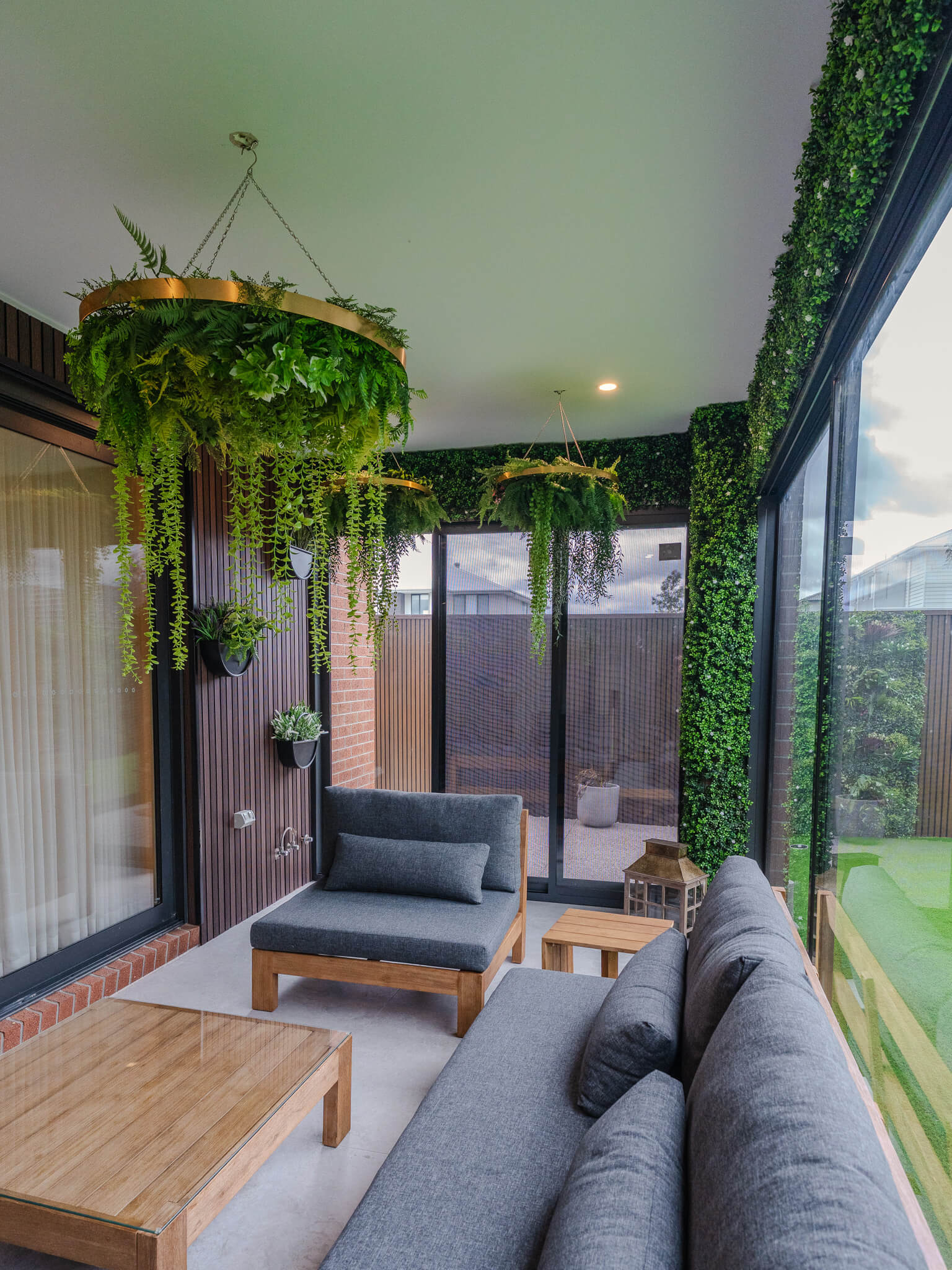
Ivy, Pothos & Trailing Vines
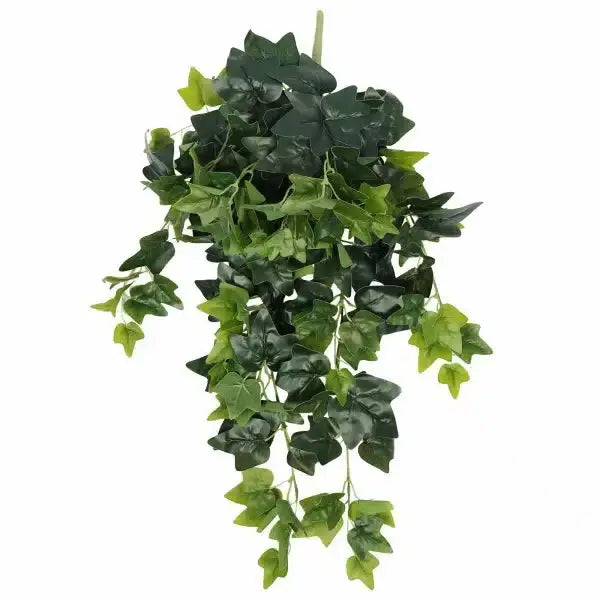
Ivy — classic, timeless coverage
Classic, versatile, architectural coverage
When combined, ivy provides density, pothos are approachable while trailing vines deliver movement — creating a layered, immersive green environment that feels designed rather than decorative.
Ivy delivers a refined, traditional look with dense, flowing coverage that softens hard surfaces and architectural lines. Its smaller leaves and consistent form create a layered, heritage feel.
Best used for:
- Wall coverage
- Ceiling edges and beams
- Creating a softened, established look

Pothos — versatile, modern greenery
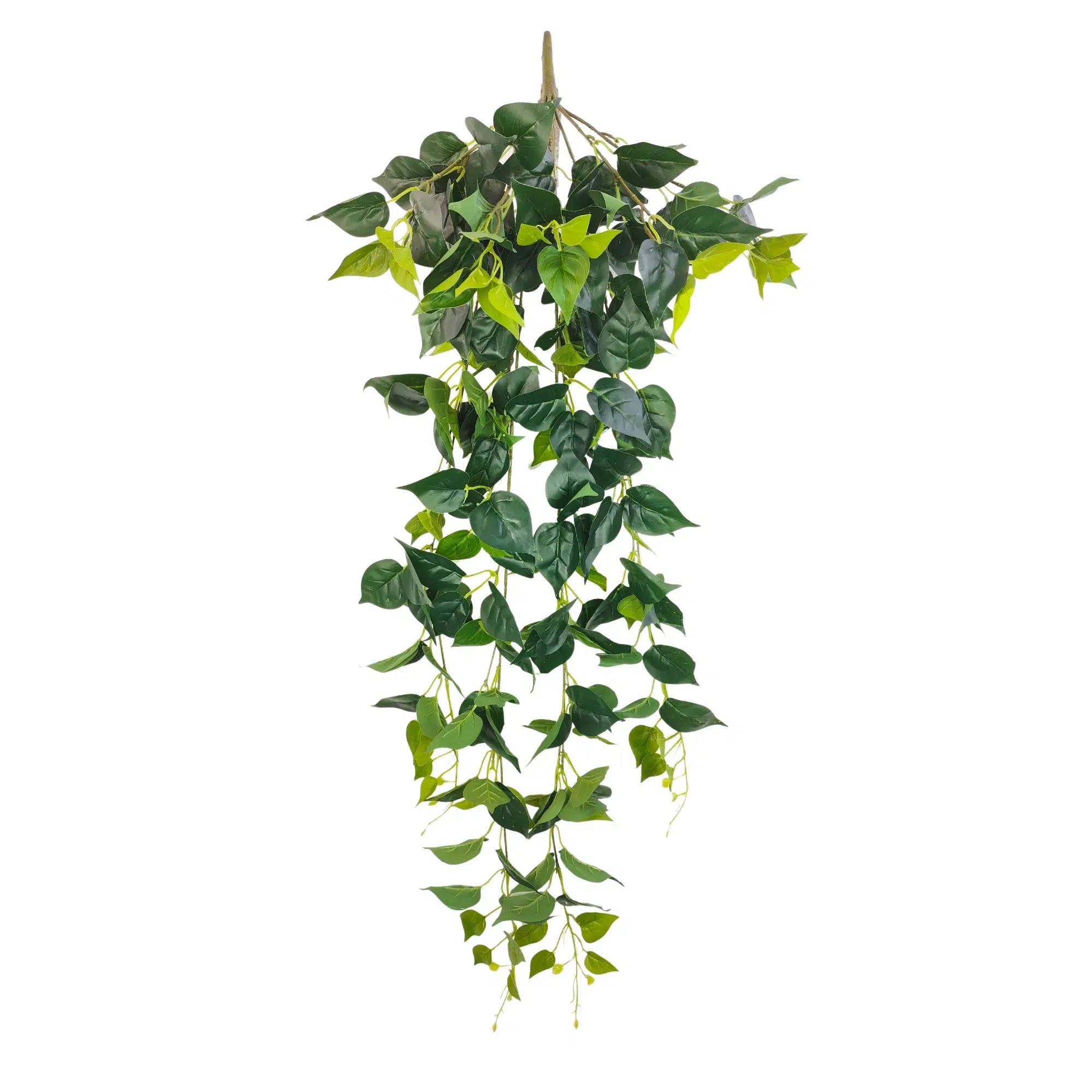
Pothos is the go-to for effortless styling. With heart-shaped leaves and natural drape, it suits modern and organic design, working equally well in residential, hospitality, and commercial spaces.
Best used for:
- Shelving and joinery
- Hanging baskets
- Feature corners and layered planting
Trailing Vines — architectural flow and movement
Trailing vines introduce vertical and horizontal motion that breathes life into walls and ceilings. Ideal for achieving a curated “living canopy” effect, balancing greenery with architectural lines.
Best used for:
- Ceiling installations
- Pergolas and railings
- Framing lighting and structural elements


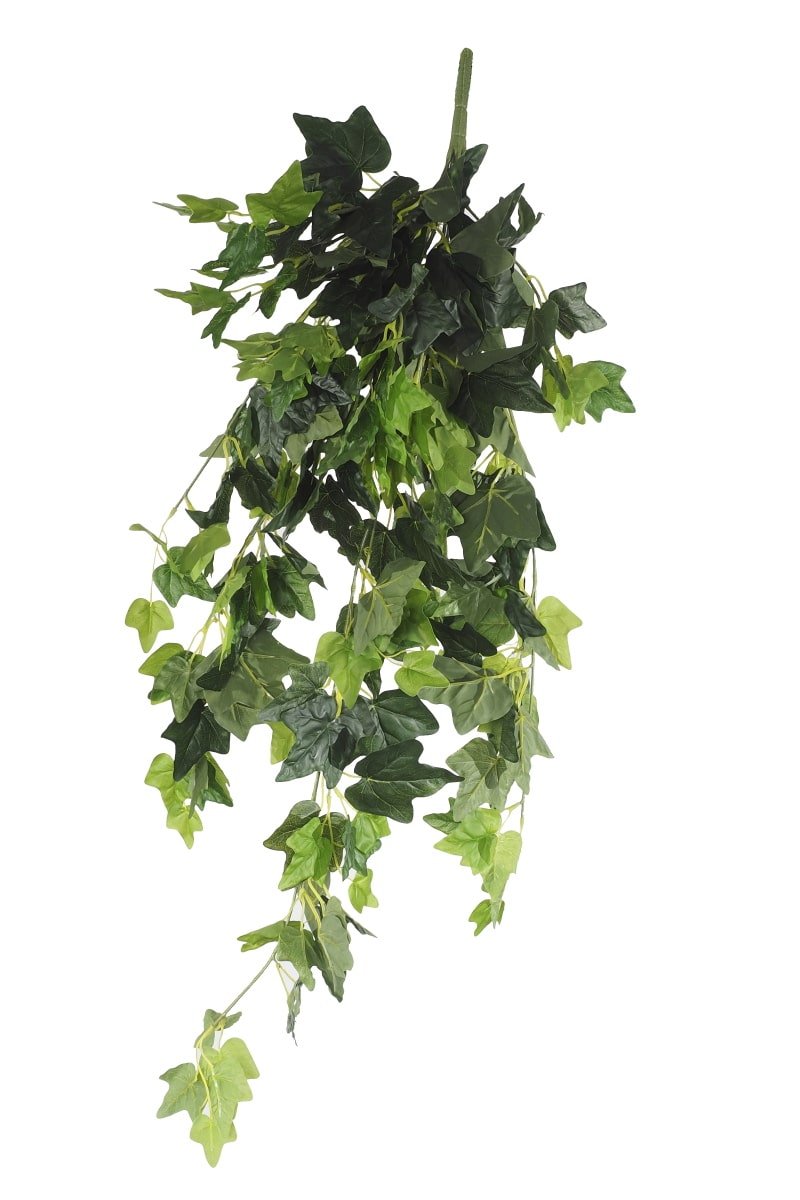


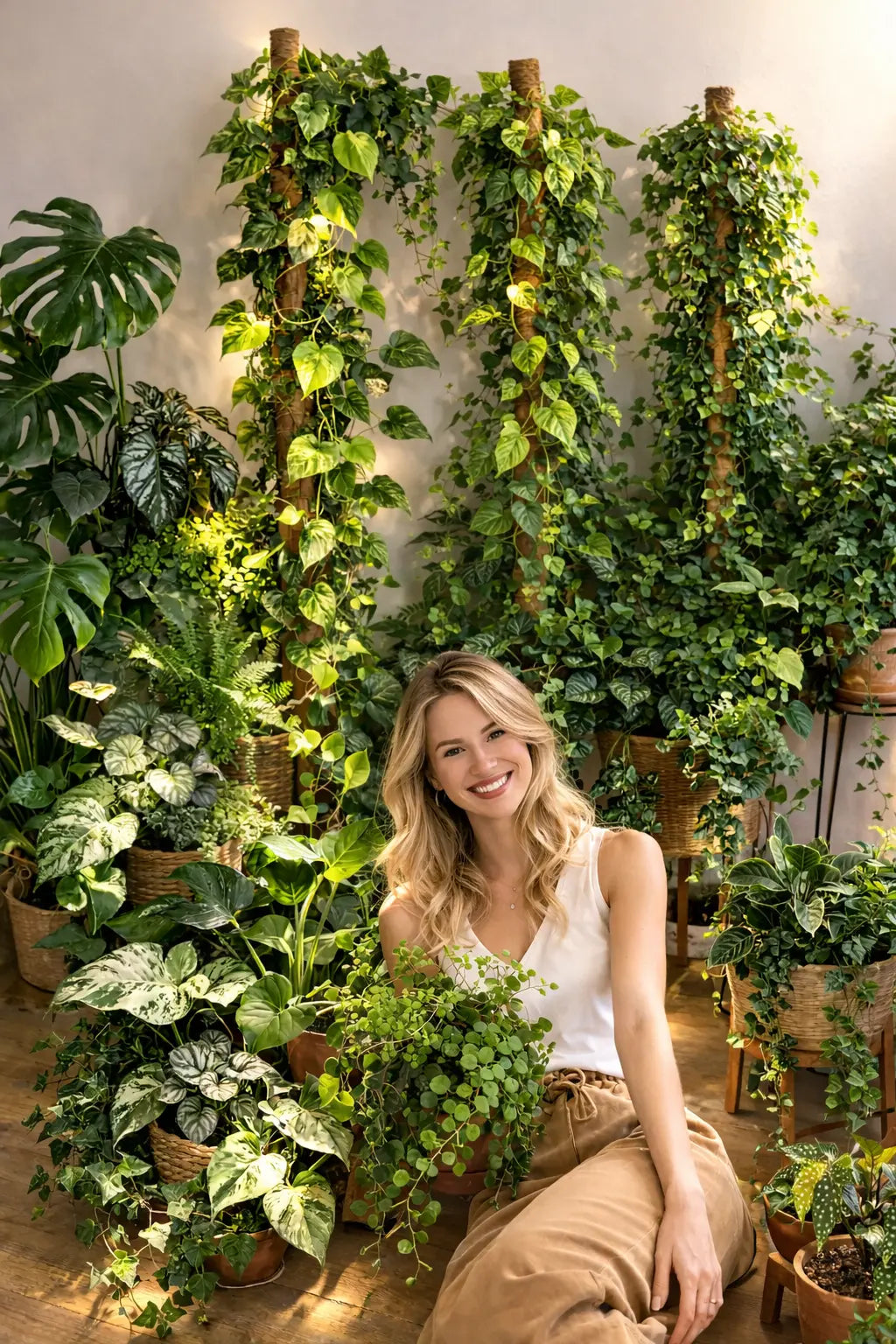
Styling Ivy, Pothos and Trailing Vines
Where they work best
- Pergolas, beams, railings, shelving edges
- Retail displays, cafés, alfresco dining
- Balconies and fence lines
Styling tips
- Use long garlands first, then layer shorter ivy bushes underneath for depth
- White-tipped ivy is ideal for brightening shaded areas
- Avoid evenly spaced placement — let vines fall naturally
- Combine 2–3 ivy types for a more realistic finish
“Let the plant do the wandering.” Think of ivy and trailing vines like movement, not decoration. Don’t force symmetry. Let it trail, spill, and find its own rhythm across beams, shelves, or railings. Pair it with natural textures like timber or stone and allow negative space so the eye can rest.
Philodendron & Leafy Creepers
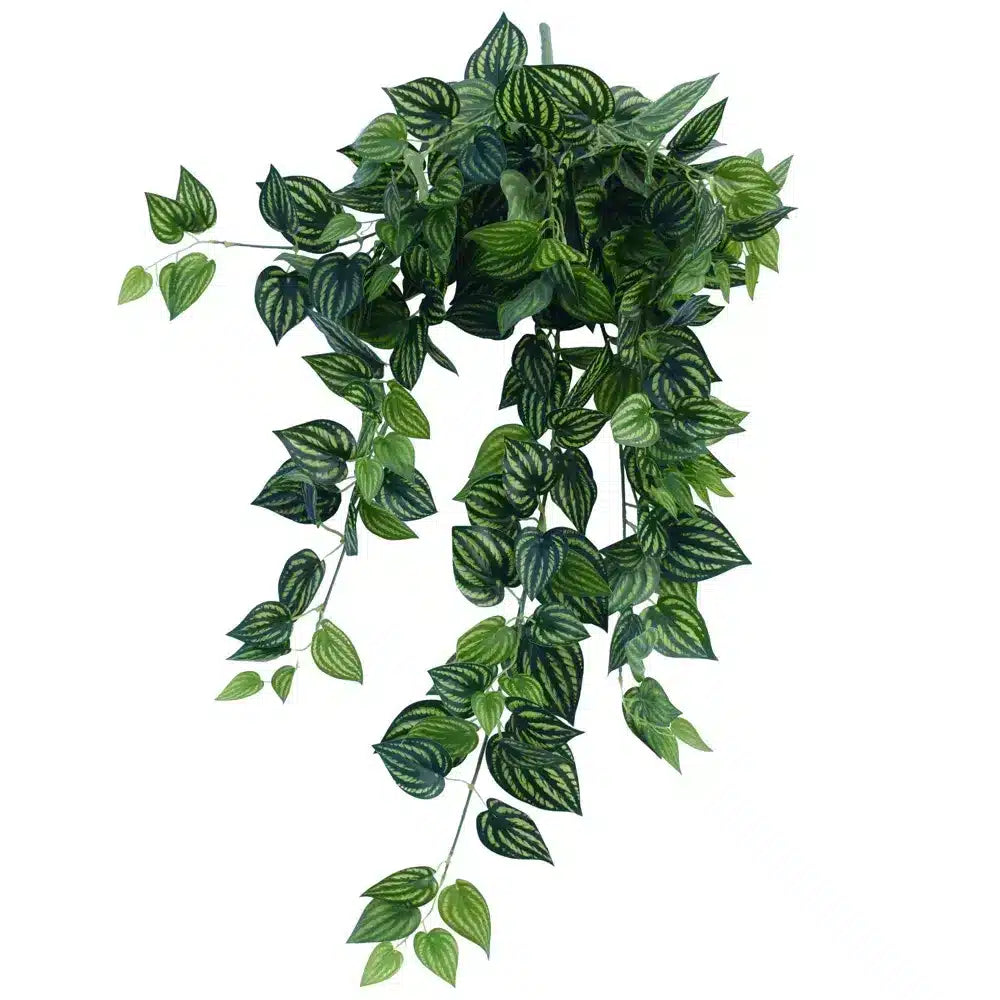
Philodendron — modern, sculptural softness
Modern, interior-friendly, soft silhouettes
Together, philodendron provides structure and presence, while leafy creepers introduce fluidity and movement — balancing modern architecture with organic calm.
Philodendron brings a contemporary, design-led feel with broad, expressive leaves and smooth silhouettes. It adds volume and calm, softening spaces while maintaining a refined, elegant aesthetic.
Best used for:
- Feature planters and statement zones
- Corners needing visual weight
- Modern residential and hospitality interiors
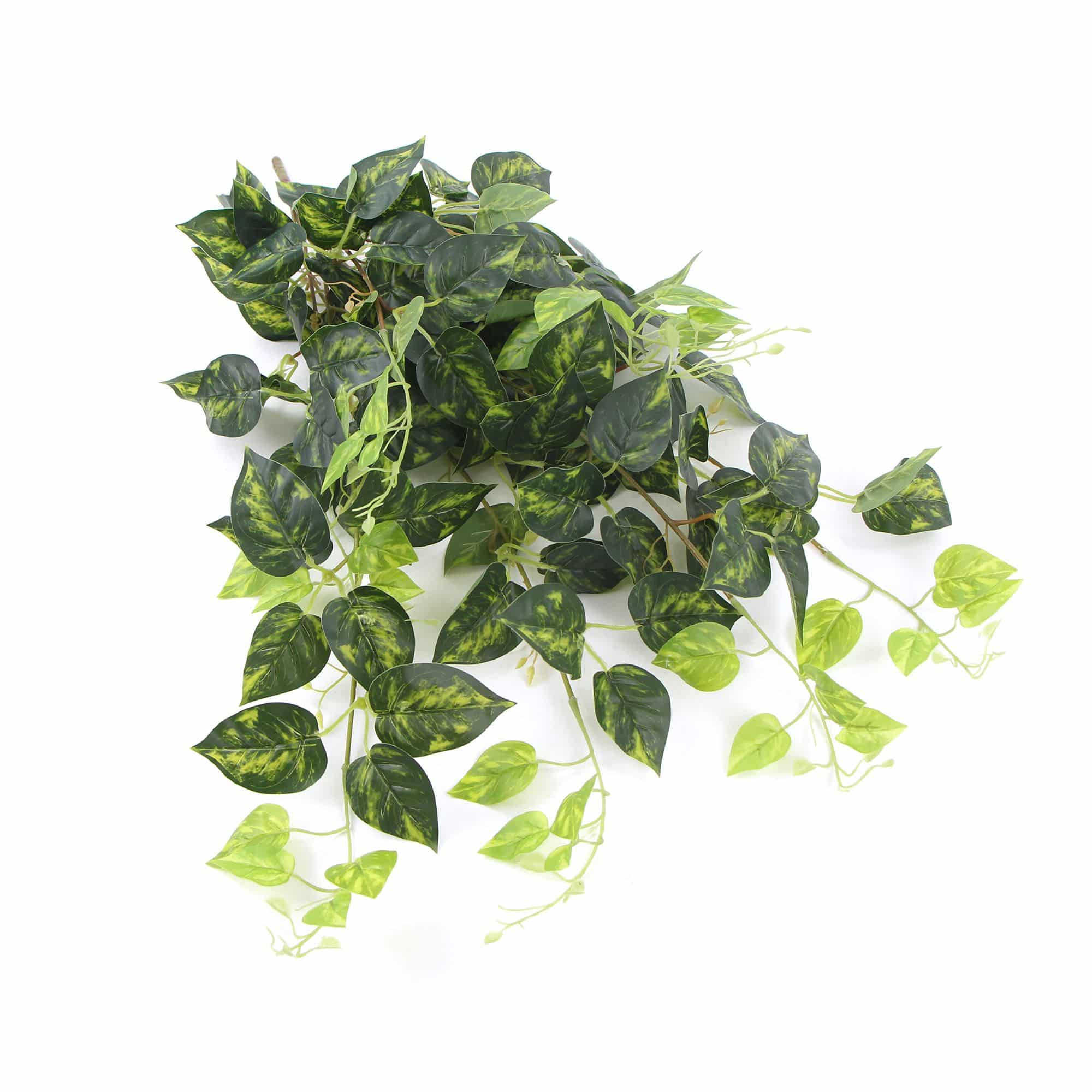
Leafy Creepers — soft movement, interior-friendly flow
Leafy creepers offer gentle coverage with relaxed, flowing forms that blend into their surrounds, creating a gentle transition between architecture and greenery.
Best used for:
- Layered planting schemes
- Shelving, ledges, and joinery
- Softening vertical and horizontal transitions


Styling Philodendron & Leafy Creepers
Where they work best
- Kitchens, bathrooms, home offices
- Above cabinetry, shelves, or joinery
- Contemporary interiors
Styling tips
- Best styled in clusters of 2–3, not alone
- Let leaves cascade freely — avoid bunching
- Pair with stone, timber, or matte black finishes
- Use white-green mixes to soften darker interiors
“Soft shapes calm a space.” Philodendrons are about ease. Style them where architecture feels rigid — above joinery, on shelves, or near corners that feel unfinished. Keep them slightly off-centre and let the leaves cascade naturally.
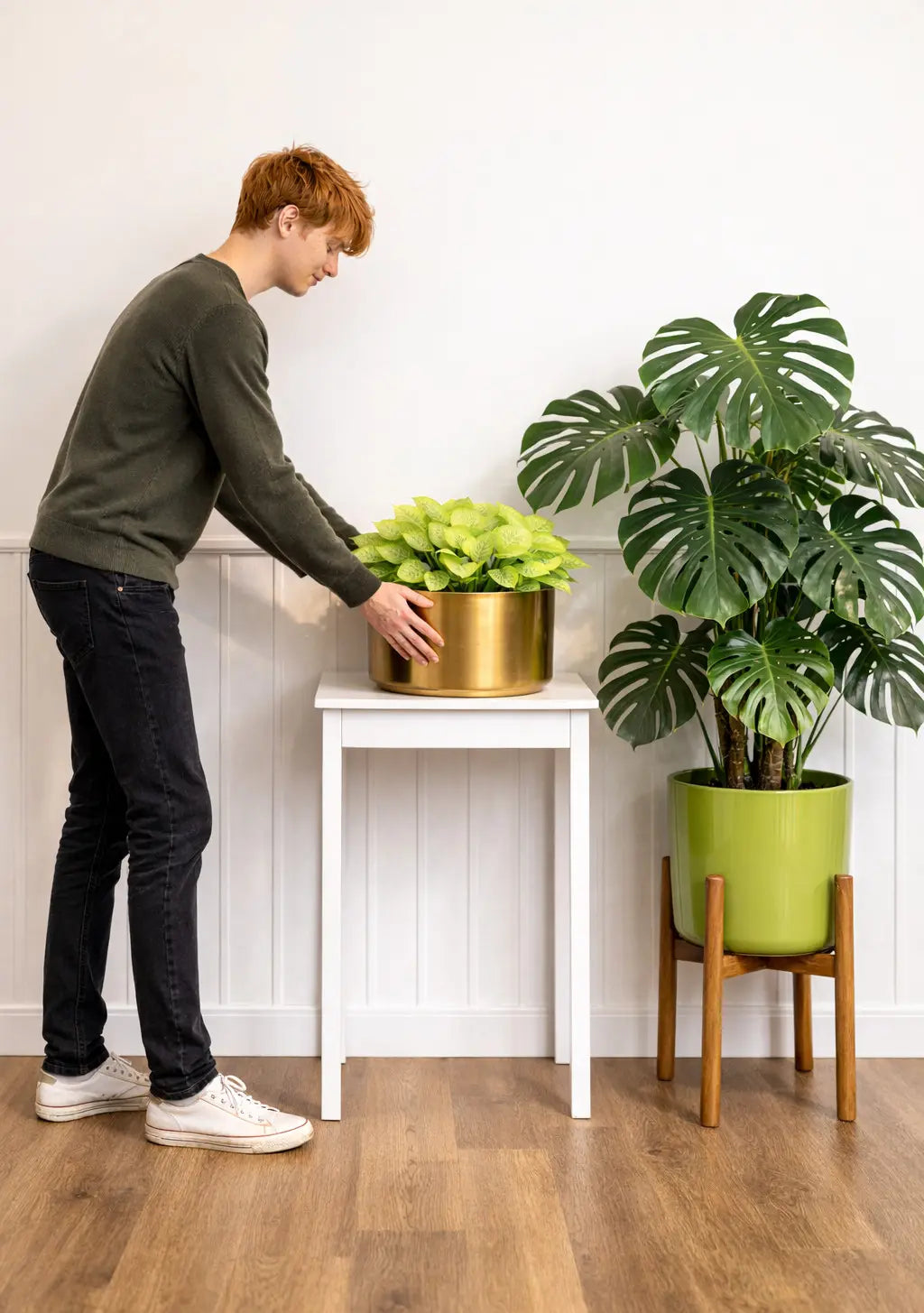
Ferns & Dense Greenery
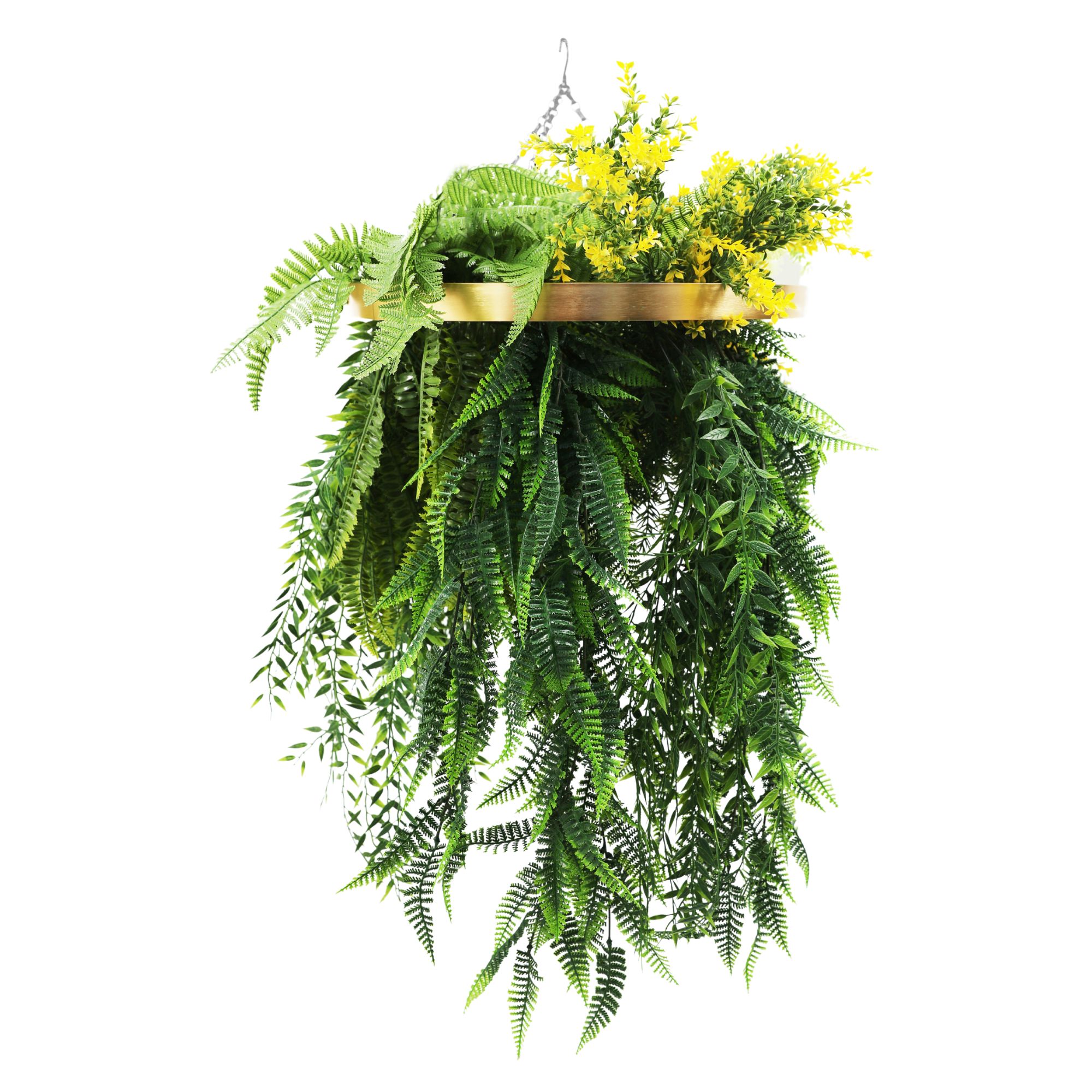
Ferns — full, immersive greenery
Full, immersive greenery
Ferns create a sense of abundance and softness through finely layered fronds and natural volume. Their feathery texture delivers depth and richness, making spaces feel cooler, calmer, and more enveloped.
Best used for:
- Hanging baskets, pendants and ceiling installations
- Softening hard edges and structural lines
- Creating layered, immersive green zones
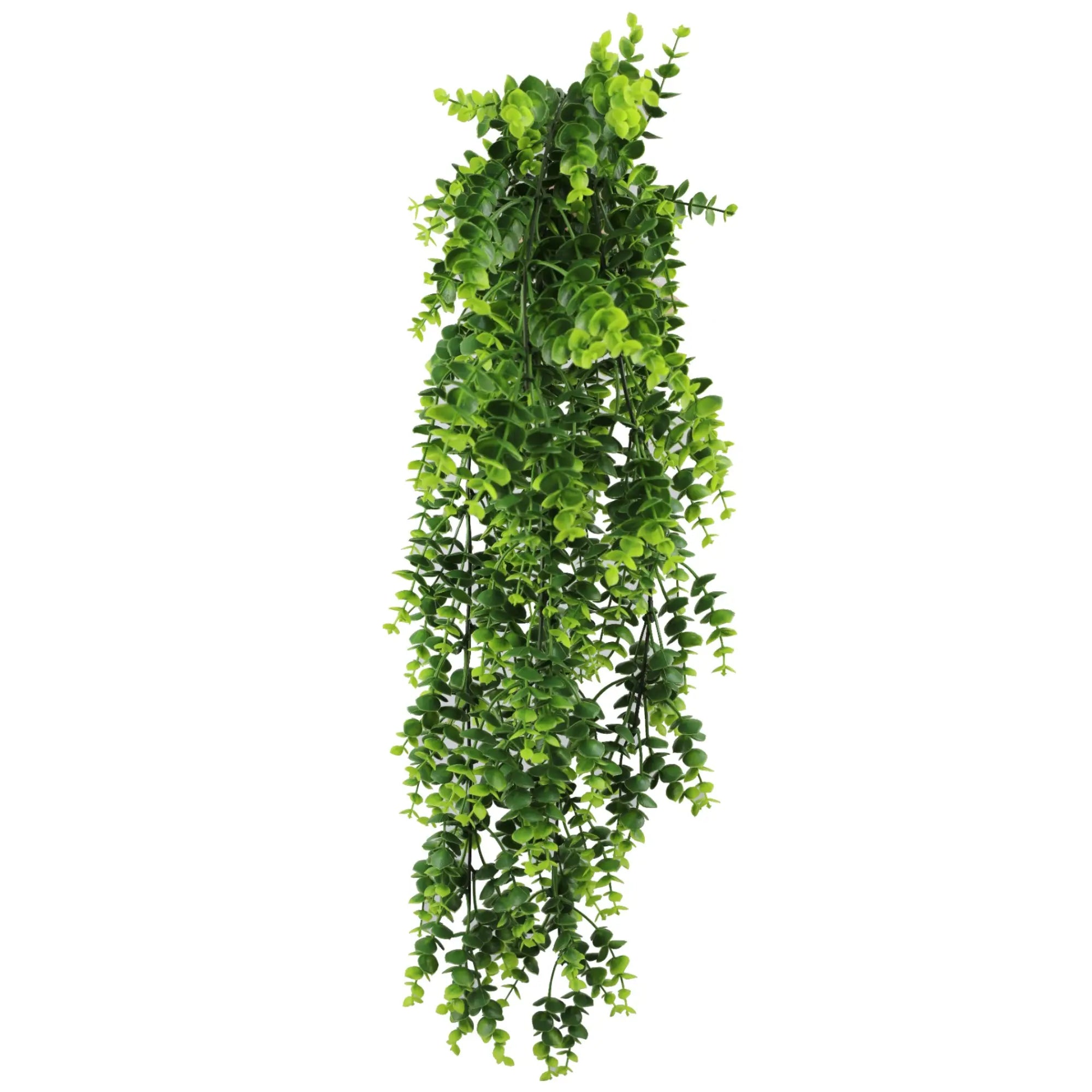
Dense Greenery — statement-making foliage
Dense greenery is designed for impact. With high leaf density and overlapping forms, it delivers immediate visual richness and a strong sense of presence — bold, immersive environments that feel curated, not cluttered.
Best used for:
- Feature walls and ceilings
- Large-scale commercial and hospitality spaces
- Creating dramatic, high-impact greenery moments


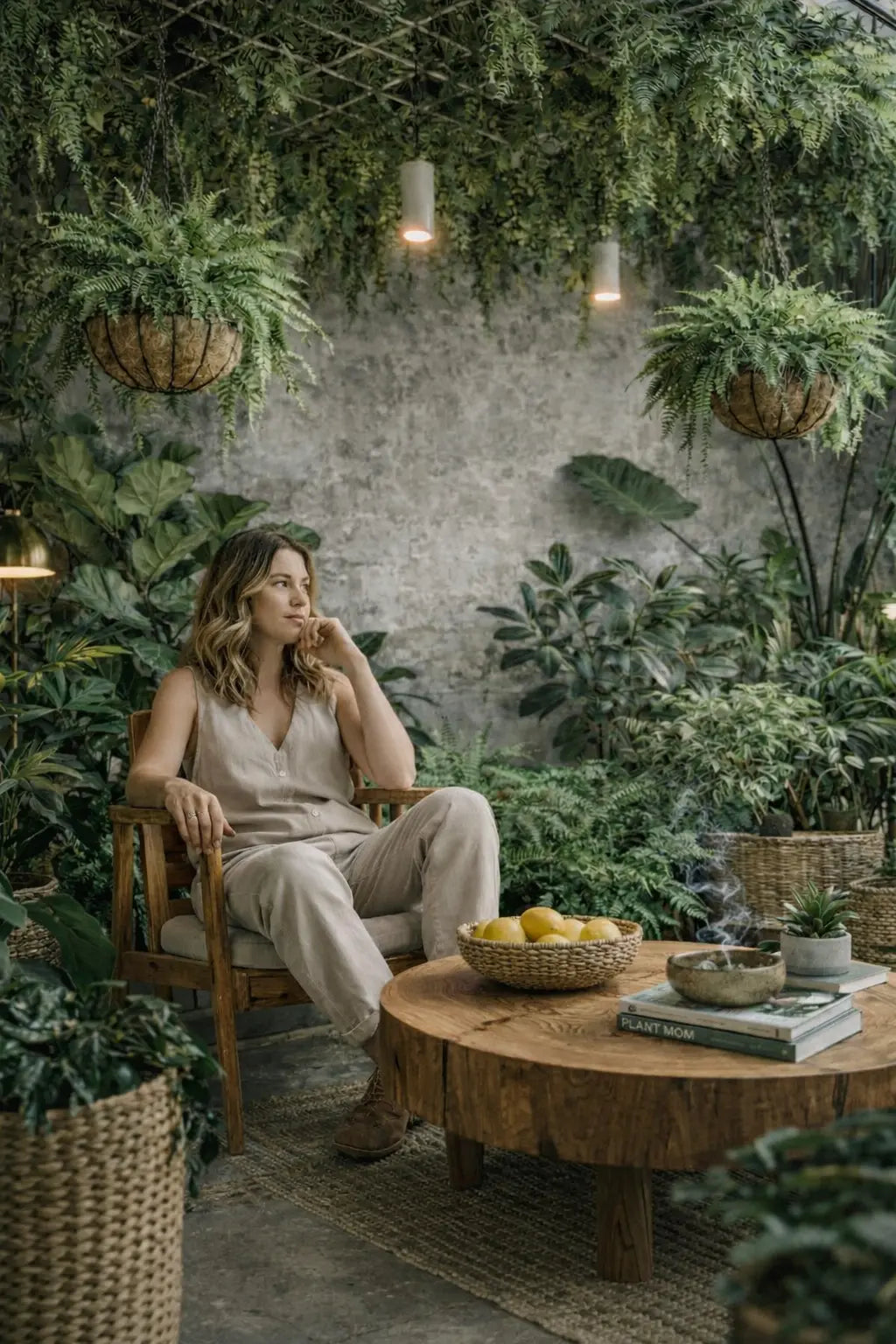
Styling Hanging Ferns
Where they work best
- Alfresco ceilings, patios, wellness spaces
- Balconies, shaded courtyards
- Commercial fit-outs needing instant impact
Styling tips
- Hang at staggered heights for volume
- Use dense greenery as your base layer
- Two-tone foliage adds realism in low-light areas
- Ideal for creating a “green ceiling” effect
“Create a canopy, not clutter.” Ferns work best when you commit to fullness. Group them to create a sense of shelter — like a green ceiling or a lush corner — and hang at varying heights so the foliage overlaps.
Air Plants, Moss & Textural Fillers
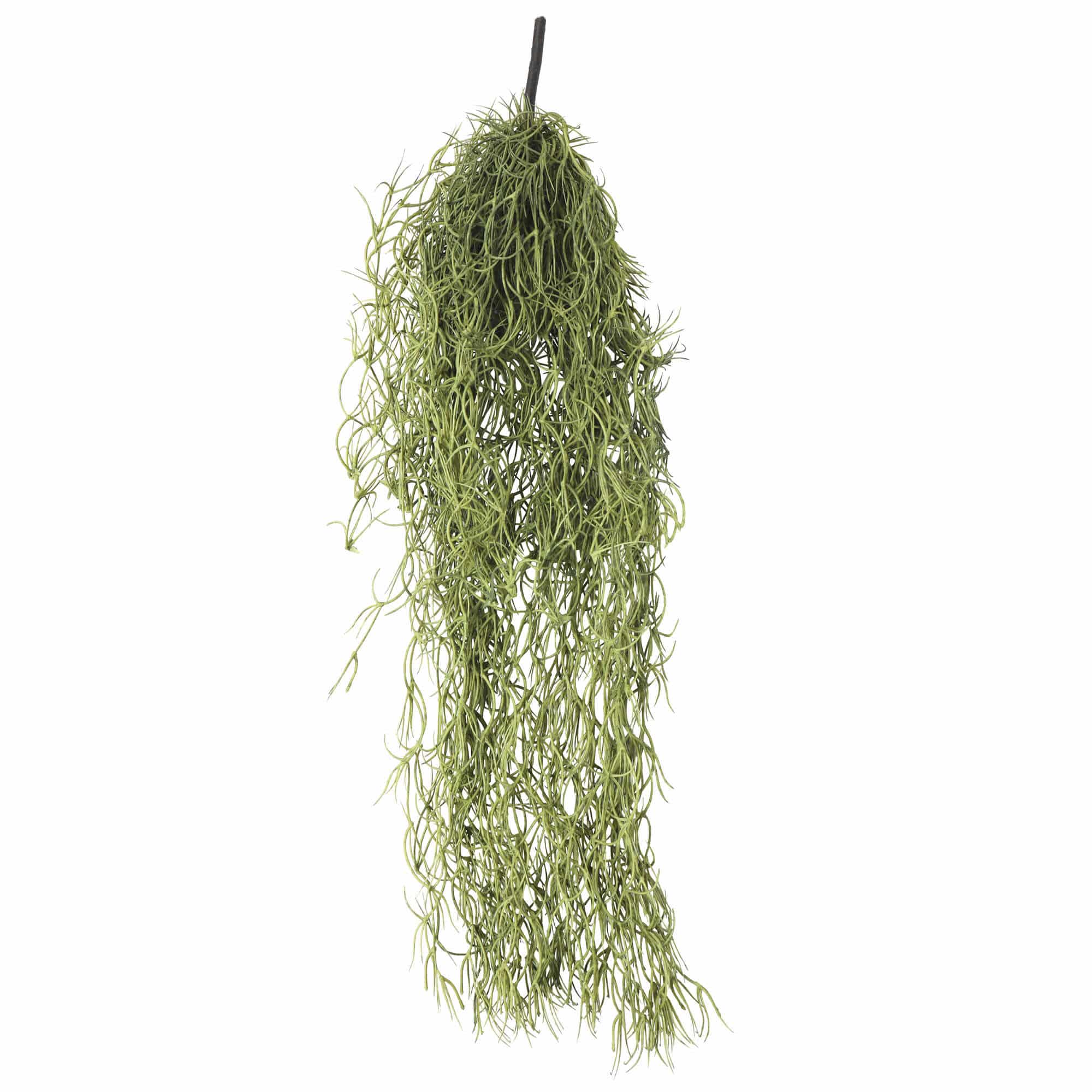
Air Plants — sculptural, weightless accents
Organic movement, sculptural detail
Air plants introduce a light, architectural quality with expressive forms that feel almost suspended in space. Ideal for modern interiors where detail and restraint matter.
Best used for:
- Roof and shelving
- Bowls, trays, and sculptural vessels
- Minimal, modern interior styling
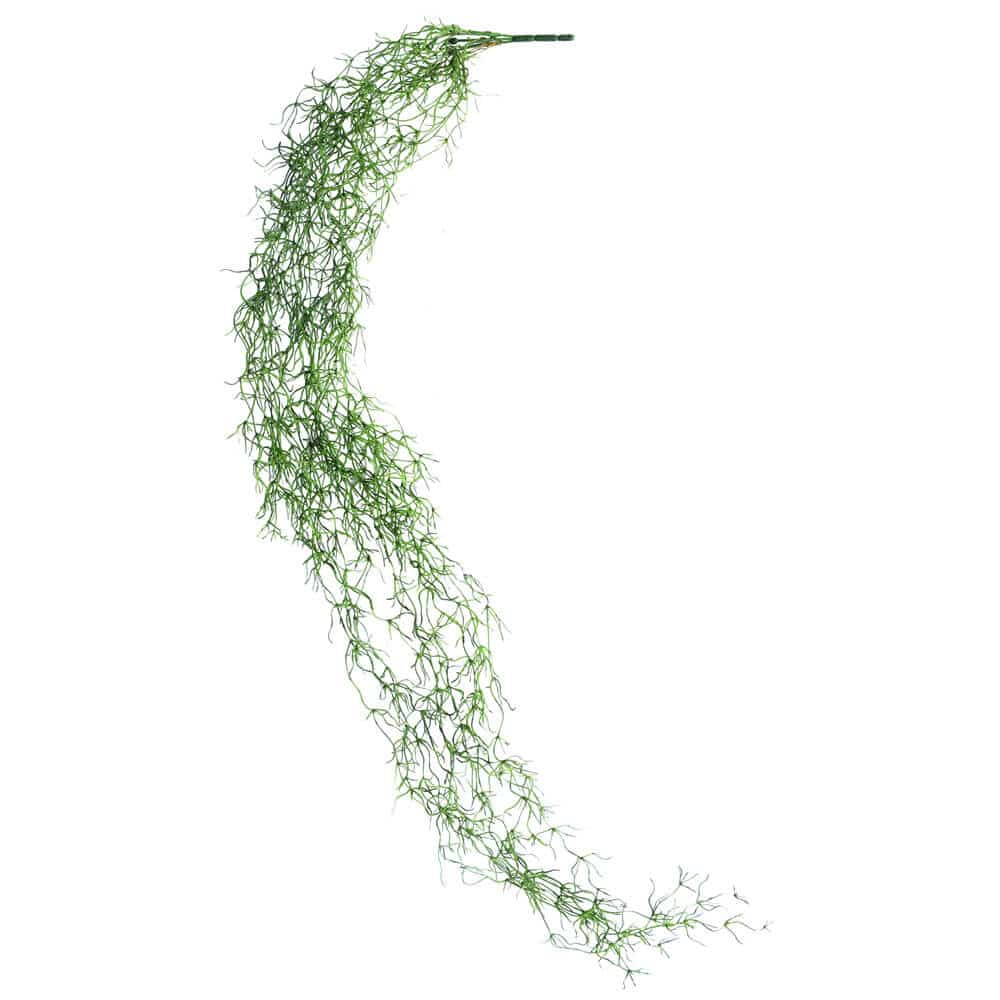
Moss — soft texture and organic grounding
Moss adds a tactile, natural layer that grounds interiors and softens hard materials. Often used to connect larger greenery elements, filling visual gaps and enhancing the overall sense of cohesion.
Best used for:
- Planter bases and bowls
- Wall features and framed installations
- Layering beneath larger foliage
Choose from
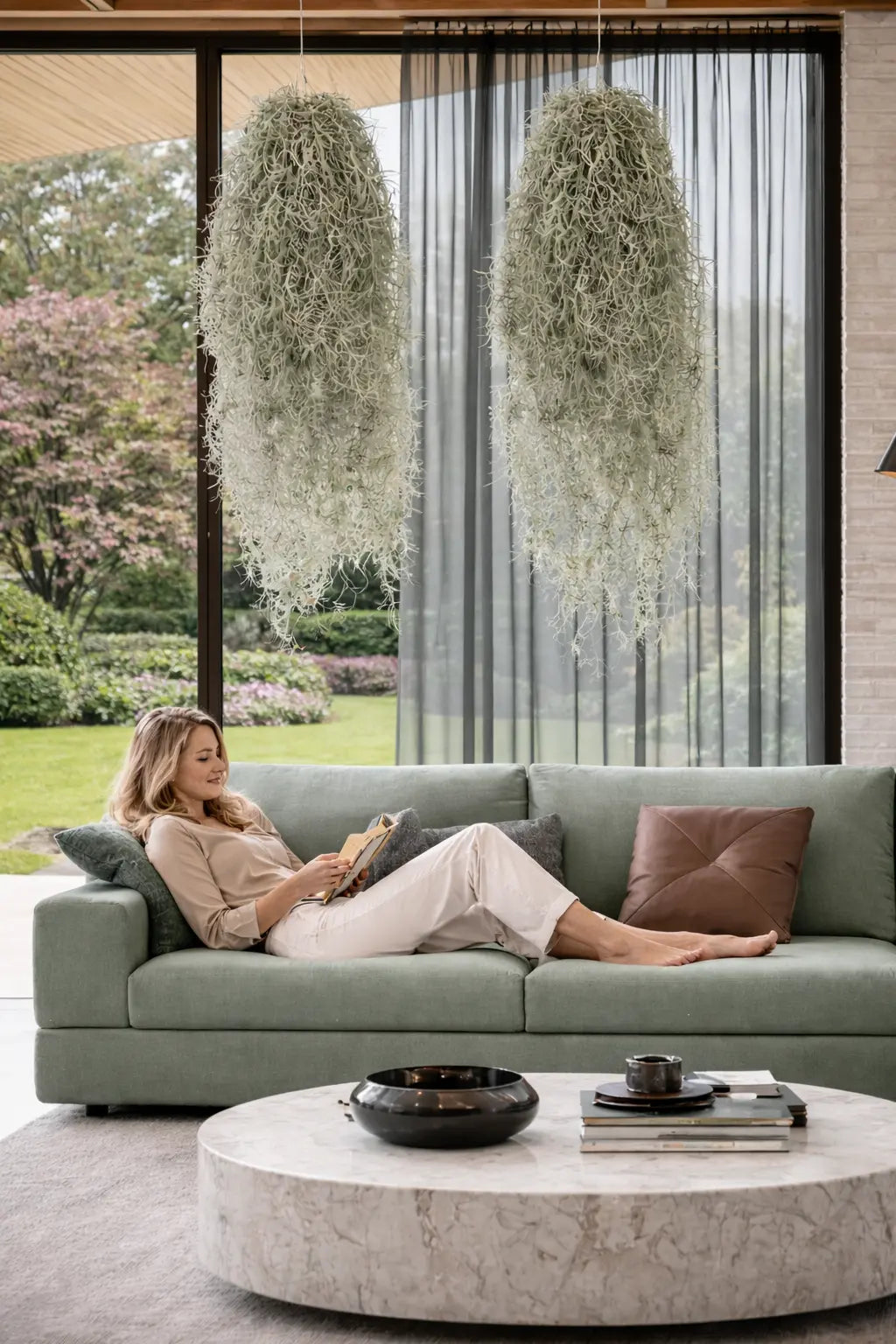
Styling Spanish Moss and Moss
Where they work best
- Draped over beams, trees, pergolas
- Hanging from beams
- Layered over other greenery
- Coastal, resort, or Mediterranean styles
Styling tips
- Use sparingly — moss is a highlight layer
- Drape loosely for a windswept, natural look
- Perfect for softening hard edges and poles
- Mix with ivy or ferns for depth
“Less structure, more atmosphere.” Spanish moss isn’t meant to be styled — it’s meant to be draped. Use it sparingly as a finishing layer to soften edges and add movement. Use moss to bring an ‘old growth forest’ carpet look — tuck it around the base of pot plants or infill gaps on wall displays.
Succulents & String Plants
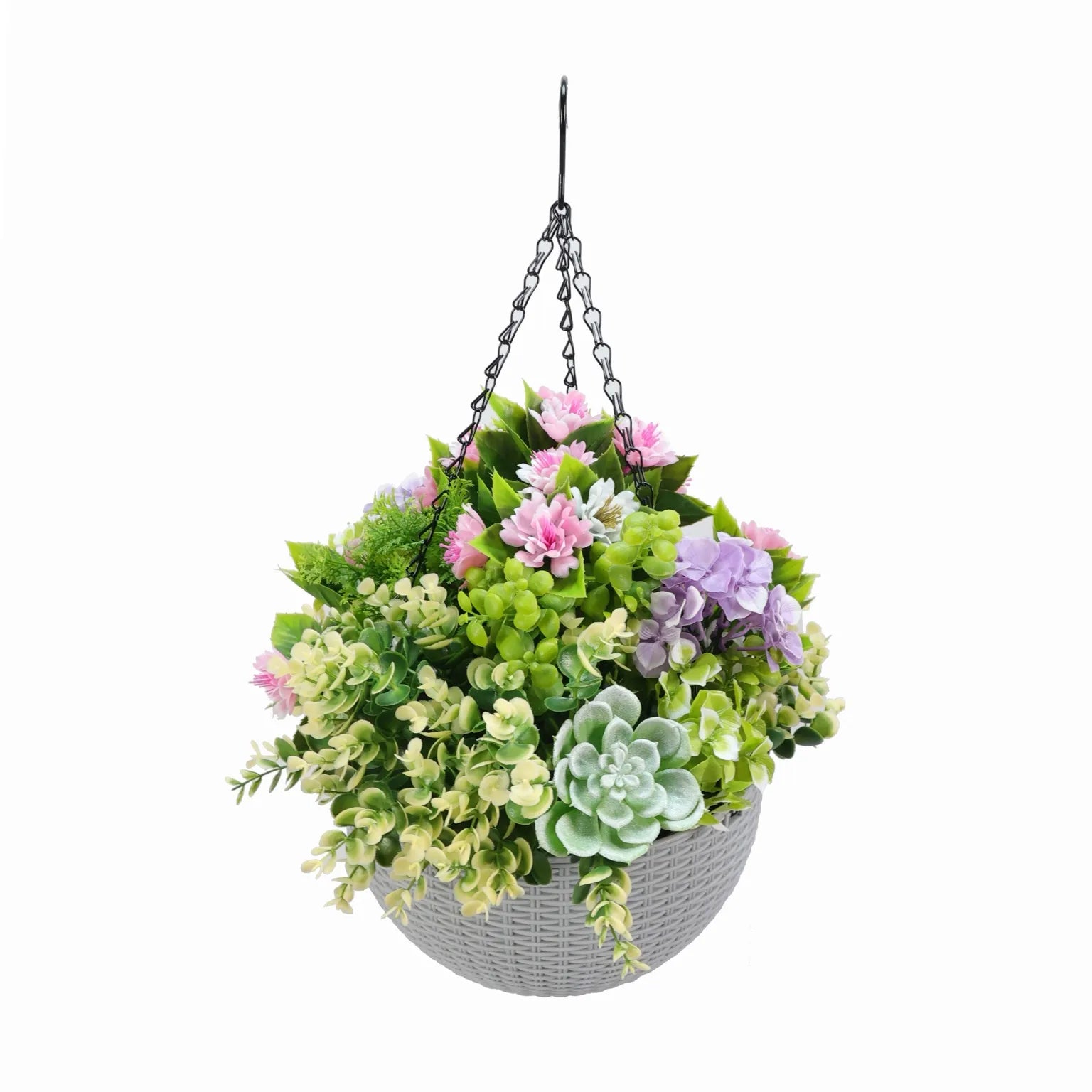
Succulents — minimal, sculptural accents
Trendy, minimal, sculptural
Together, succulents provide structure and restraint, while string plants deliver movement and trend-led appeal — balancing minimalism with organic expression.
Succulents offer a refined, design-forward look with compact forms and distinctive silhouettes. Their structured shapes and subtle tonal variation make them ideal for minimalist spaces where every element is intentional.
Best used for:
- Coffee tables and side tables
- Shelving and consoles
- Modern residential and office spaces
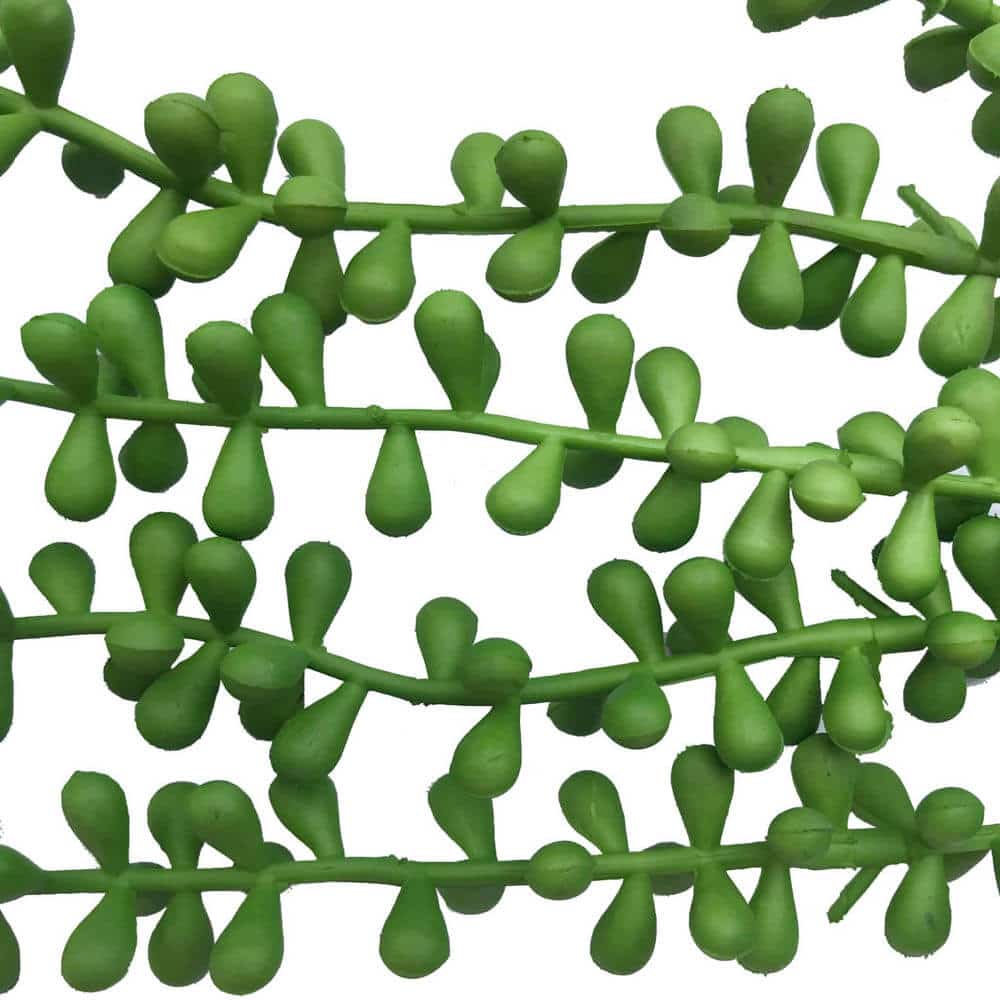
String Plants — trendy, flowing statements
String plants introduce movement and personality through long, trailing forms that feel contemporary and expressive. Their sculptural drape creates contrast against clean lines and hard surfaces.
Best used for:
- Hanging planters and shelves
- Layering in minimalist interiors
- Adding vertical interest and flow


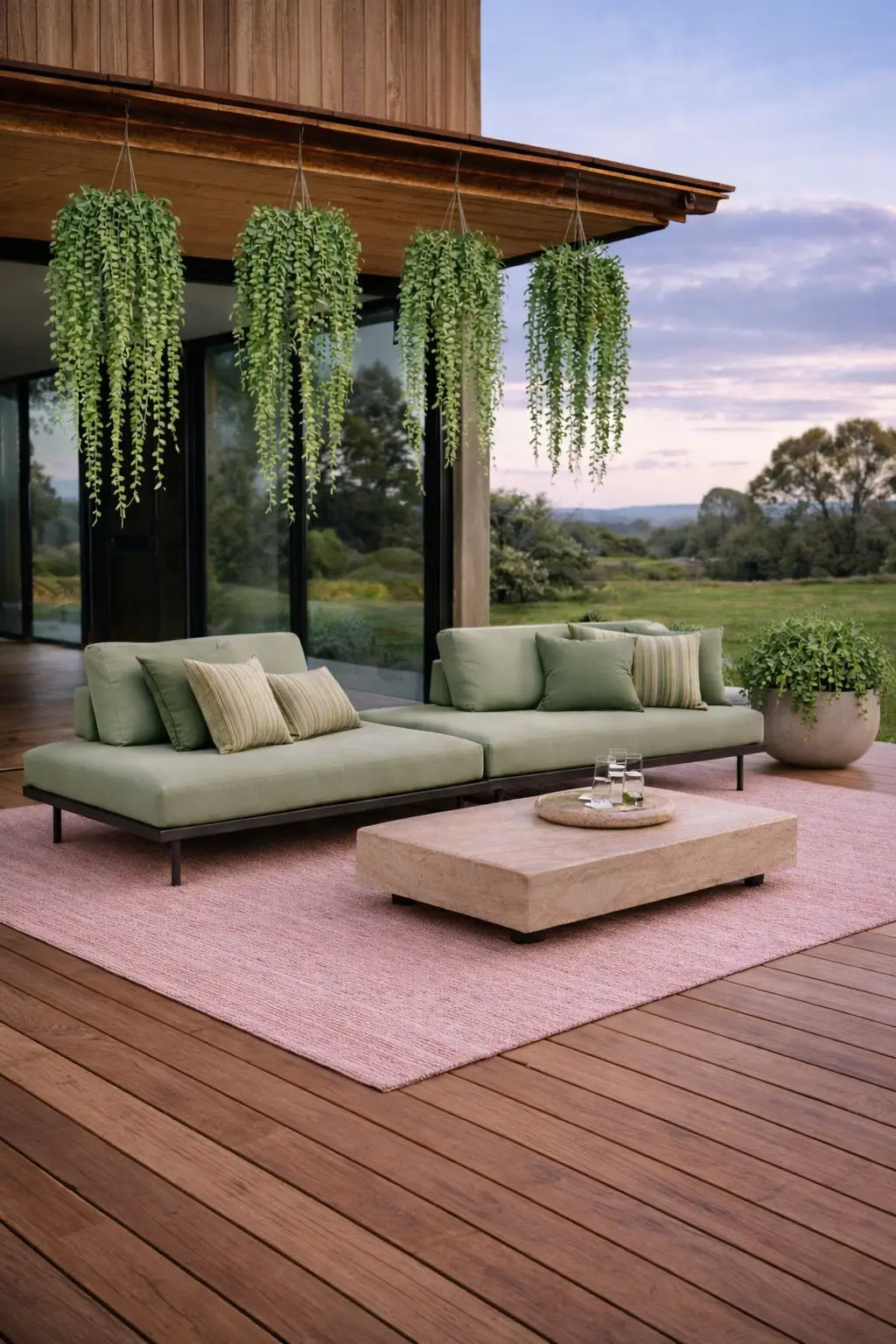
Styling Succulents & String Plants
Where they work best
- Modern homes, apartments
- Shelving, wall planters, small spaces
- Cascading from hanging baskets
- Minimal or boho interiors
Styling tips
- Best in single feature placements
- Pair with matte black or concrete planters
- Avoid overcrowding — negative space matters
- Ideal for vertical wall planters
“Negative space is part of the design.” String plants need room to breathe. Style them as single statements in wall planters or on shelves where the trailing lines can be appreciated.
White & Floral Hanging Accents
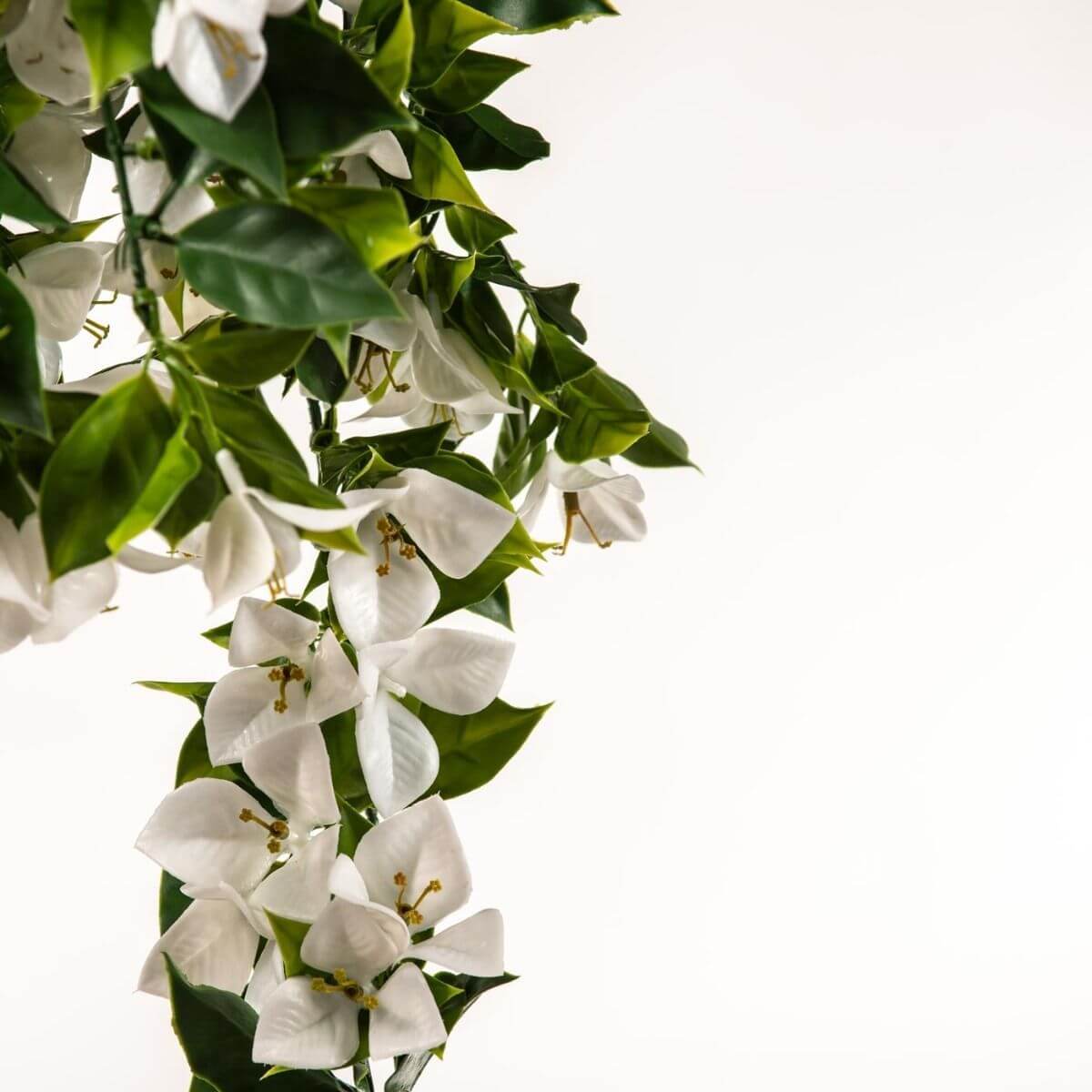
White Accents — light-enhancing highlights
Decorative highlights, light-enhancing
Together, white accents provide clarity and lift, while floral hanging elements add decorative softness — the final highlights that brighten, balance, and complete a greenery composition.
White accents introduce brightness and contrast, elevating a room and creating a quiet opulence. Used sparingly, white accents add elegance and clarity without competing for attention.
Best used for:
- Brightening darker green installations
- Adding contrast in layered greenery
- Creating a calm, refined finish
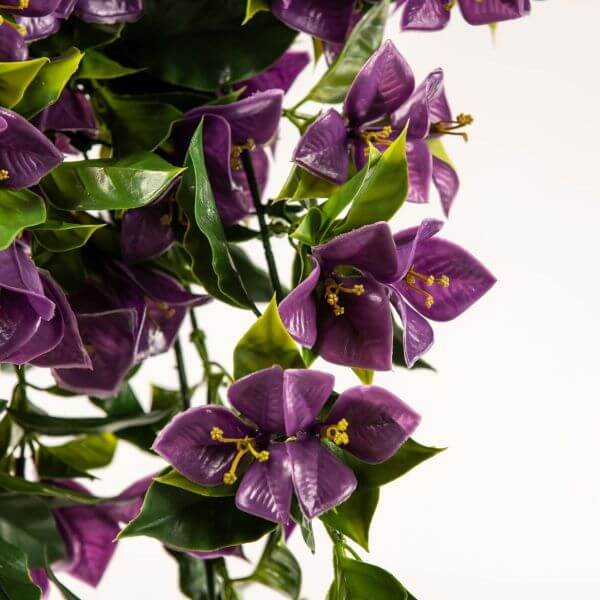
Floral Hanging Accents — decorative, elevated details
Floral hanging accents bring softness and a pop of colour to a room. These accents work best as finishing touches — introducing lightness, novelty, and a sense of considered styling.
Best used for:
- Overhead installations and ceiling features
- Soft framing of seating and dining areas
- Adding decorative detail to green walls and canopies


Styling White & Floral Hanging Accents
Where they work best
- Entryways, signage backdrops
- Events, weddings, hospitality
- Dark walls needing contrast
Styling tips
- Use as accent pieces, not mass planting
- Combine with deep green foliage
- Great for focal points and styled moments
- UV florals are ideal outdoors without fading
“Use white like light.” White florals should feel intentional, not abundant — lifting darker greenery, catching the eye, or marking a moment in the space. One white element against deep green creates contrast and clarity.
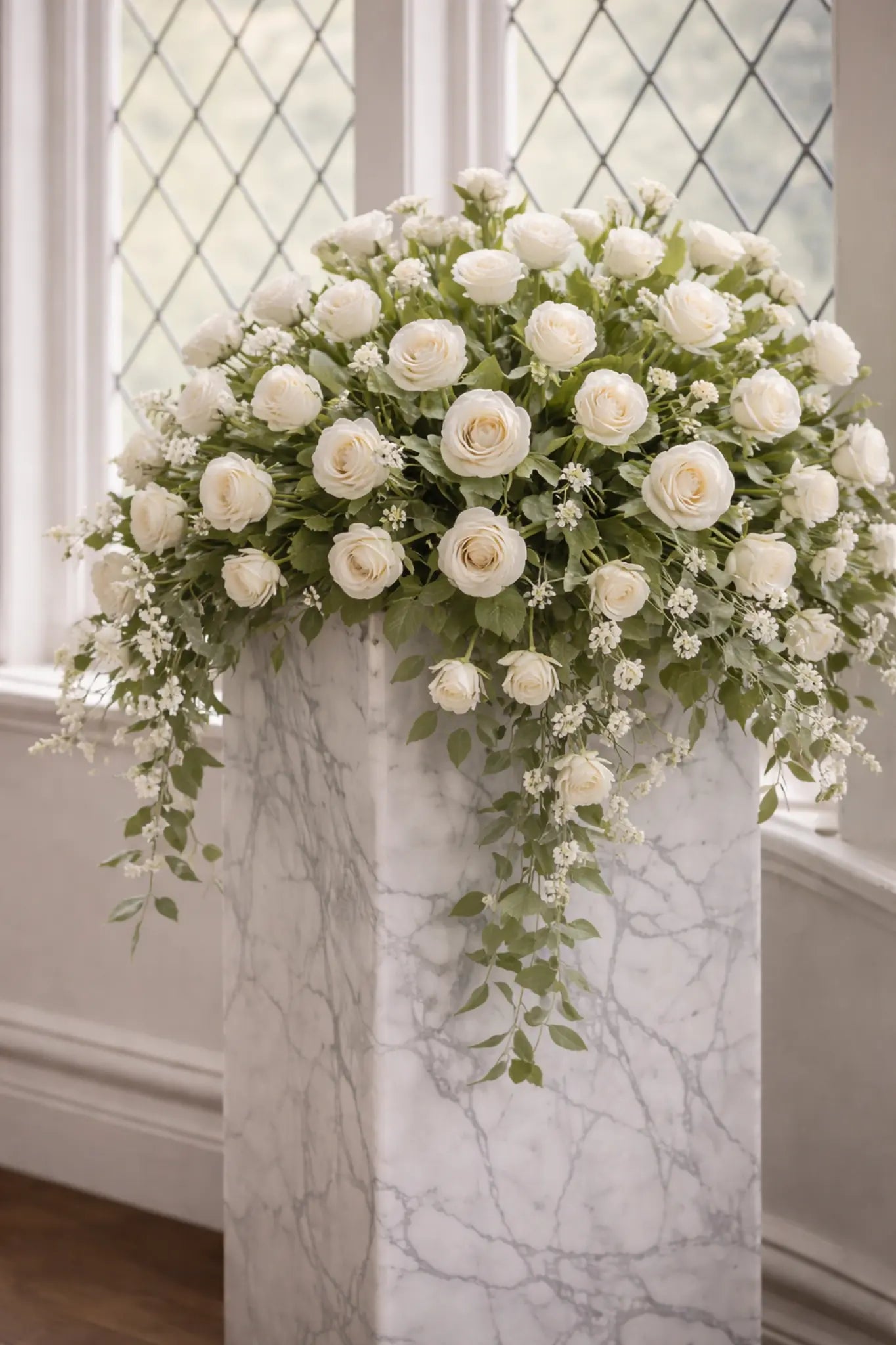



Our Plant Stylist Connie helped this Melbourne couple transform their stark white holiday home into a tropical paradise
“Our client lives in Melbourne but has a holiday home in Queensland. They came in a few months ago and said, ‘Connie, can you give us some ideas? We don’t want to overdo it — just add some greenery to our white space.’
I suggested we start with a light design, take some photos, and then review it together once they were back in Melbourne. Well, they came in today — woohoo! — and using these products, we created a stunning look:
- Hanging Pearls UV Resistant 90cm
- Long Two-Tone Ivy Garland UV Treated 190cm
- Artificial Hanging Dense Pearls (Nearly Natural) UV Resistant 80cm
They absolutely loved it!”
Speak with our stylistEmail your queryThe key is movement, layering, and negative space. Avoid placing plants in perfectly even lines. Let foliage trail naturally, vary heights slightly, and combine different leaf shapes or tones. Realistic styling comes from restraint — fewer plants styled well always looks better than overcrowding.
It depends on the size and height of the area, but as a guide:
- Small spaces or shelves: 1–2 trailing plants
- Balconies or pergolas: 3–5 plants layered at different heights
- Alfresco ceilings or beams: start with a dense base layer, then add lighter trailing pieces
When in doubt, start with fewer and build gradually.
Hanging plants look most natural when they sit just above eye level, allowing foliage to fall into the space without obstructing movement. For ceilings or beams, stagger heights rather than hanging everything at the same drop to create depth and flow.
Yes — just choose UV-resistant designs for outdoor areas. These are made to withstand sun exposure and reduce fading over time, making them ideal for balconies, pergolas, patios, and alfresco spaces.
Use long, slim trailing plants like ivy, philodendron, or string plants. These add greenery without taking up floor space. Wall planters and shelves are ideal, and leaving negative space around the plant helps keep the area feeling light and uncluttered.
Absolutely. Mixing styles — such as ivy with philodendron or ferns with moss — creates a more layered, realistic look. The key is balance: combine one dense plant with one lighter or more delicate option rather than using all the same type.
Avoid styling plants straight out of the box. Gently reshape and separate the foliage, allowing leaves to fall naturally. Slight asymmetry and variation in direction helps replicate how real plants grow.
Yes. Hanging greenery is especially effective in cafés, offices, wellness spaces, and retail environments because it adds warmth without maintenance. Dense greenery works well for impact, while trailing plants soften architectural lines and ceilings.
Very little. An occasional light dusting or gentle wipe will keep them looking fresh. For outdoor plants, rinsing with water every few months can help remove dust and maintain colour.
Yes — hanging artificial plants can be styled near lights, and when done well, they add warmth and softness to the space. Keep foliage clear of hot bulbs and heat sources, especially with pendant or feature lighting. LED lights are ideal, as they produce minimal heat. Allow plants to frame the light rather than surround it completely.