
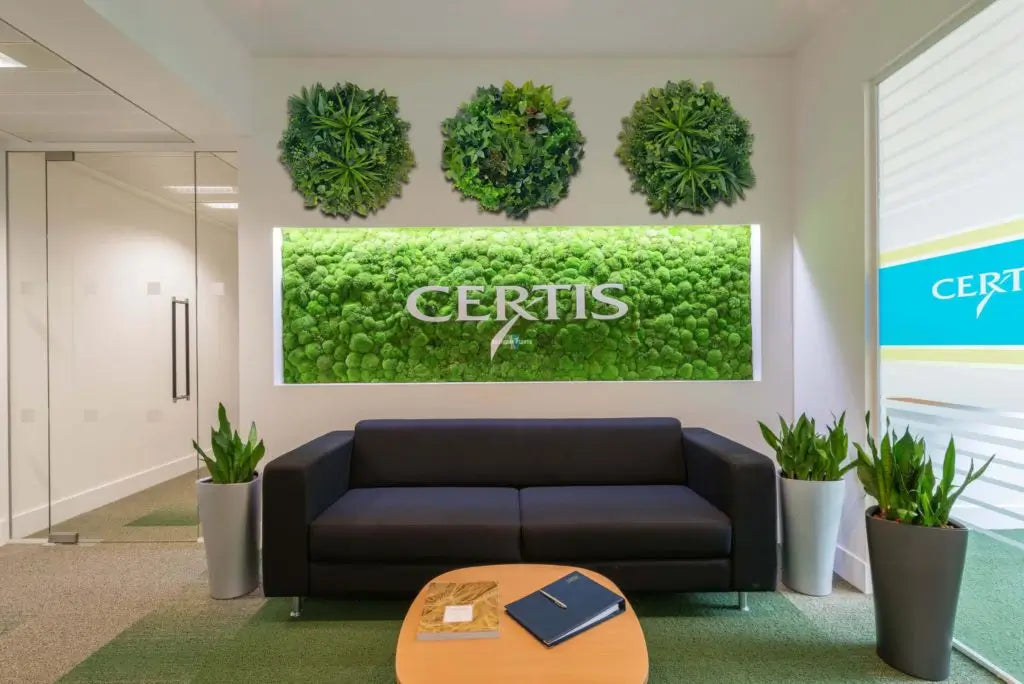
Walk into a newly fitted-out Australian office and greenery is usually the first thing you notice, before the desks, before the branding on the wall. Foliage behind reception. A cluster of trees near the boardroom glass. Something trailing off a shelf in the breakout area. Fitout teams cottoned onto this a while back, a workplace with plants photographs better and feels calmer than one without.
What's shifted more recently is what's actually sitting in those pots. A lot of it isn't real anymore, and most people walking through the office never clock it. Fake plants have quietly become standard in how modern fitouts across Australia specify greenery for offices.
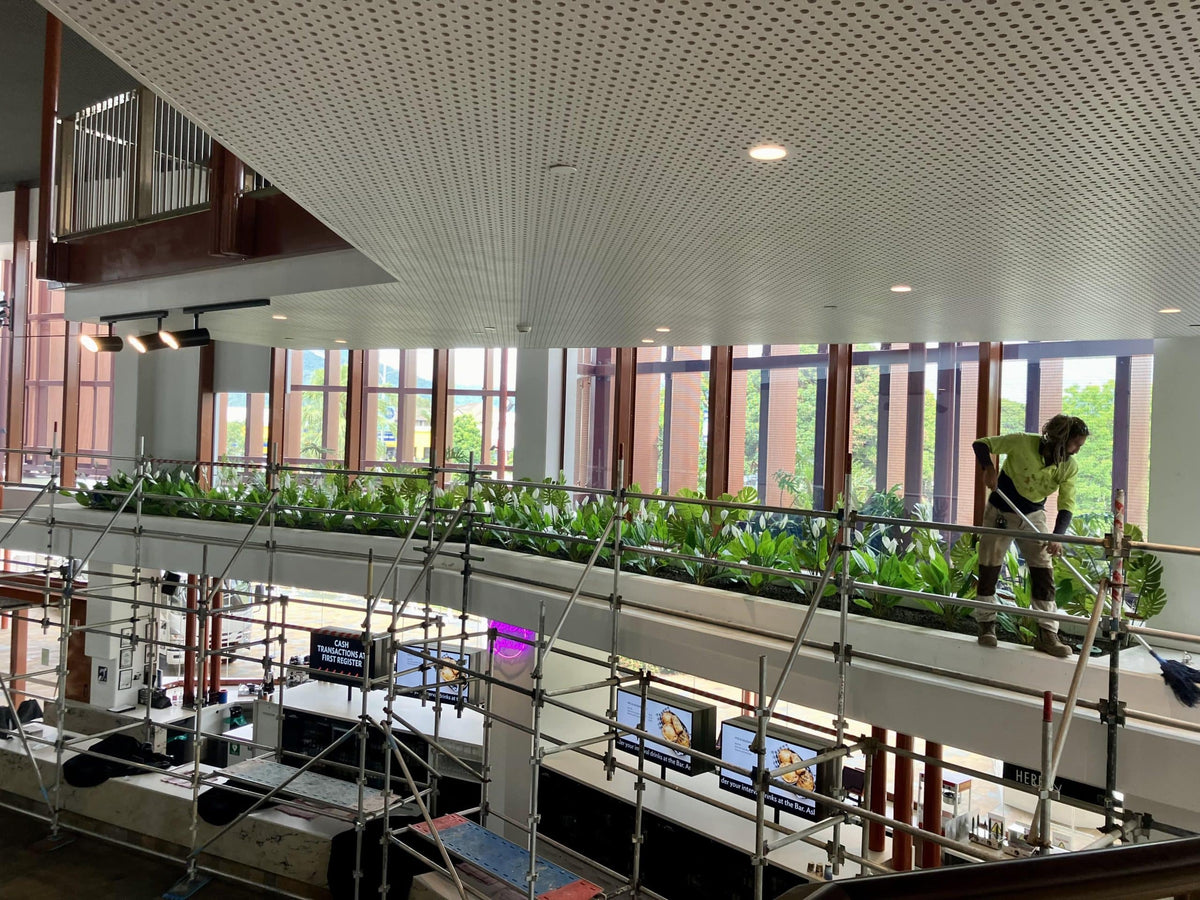
Bringing Greenery into Offices Where Real Plants Struggle to Thrive
Most commercial office floors in South Yarra were never designed with plant life in mind. Deep floor plates isolate entire zones twenty to thirty meters from the nearest window, leaving them illuminated almost exclusively by artificial LED panels that lack the essential light spectrum plants need to survive. Then there's the tinted glass. The external shading. A building that just happens to face the wrong way. Even desks that do catch daylight often get a few filtered, indirect hours at best. None of that suits something that spent millions of years evolving to sit outdoors.
Air conditioning makes the problem worse. Climate-controlled air is dry by design, it pulls moisture out of soil far quicker than most people expect, and hardly any office has a watering roster solid enough to survive a long weekend, let alone a skeleton-staffed January. Anyone who's worked in a plant-filled office knows how this plays out. Leggy, yellowing specimens by month three. A dead ficus sitting in reception by month six. A facilities budget quietly absorbing replacement stock that nobody actually has time to look after. That gap - between what a good fitout is supposed to look like and what a real plant can survive on an office floor - is exactly why so many Australian businesses have switched to artificial plants instead.
Why Businesses are Choosing Fake Plants Over High-Maintenance Real Greenery
Once a business has replaced its second or third dead office plant, the maths starts to look different. Fake plants cost more upfront than a small live one from the nursery, but the ongoing bill disappears entirely, and that's usually the point where facilities managers start taking the switch seriously.
No Watering Rosters or Plant-Sitters Required
Nobody needs to remember to water anything before a long weekend, and nobody's coming back from annual leave to a wilted display in reception. The greenery looks the same on Monday as it did on Friday before.
Consistent Presentation Every Day of the Year
A real plant has good weeks and bad weeks depending on light, season, and how busy the office has been. Artificial greenery doesn't have an off day. Whatever it looks like on installation day is what visitors and staff see every single day after.
No Pests, Soil, or Mess in a Workplace Environment
Fungus gnats, soil spills near a keyboard, and leaf drops on the carpet near reception. That's one less thing to manage in an open-plan office where cleaning contracts are already stretched thin.
Predictable Costs with No Ongoing Trimming or Replacement Bills
A commercial plant hire contract means a recurring invoice - watering, pruning, dead-stock replacement, all billed on a schedule. Artificial greenery is a one-off spend. Once it's paid for, it's paid for, and a facilities budget can plan around that instead of absorbing a surprise line item every quarter.
Zero Risk of Dead or Dying Plants During Quiet Periods
Offices empty out over Christmas, during WFH stretches, and whenever a business goes through a slow trading patch. Real plants don't do well being ignored for three or four weeks. Fake plants don't notice the office is quiet at all.
How Artificial Plants Support Biophilic Workplace Design Without the Added Upkeep
Biophilic design, the idea that people work better and feel better when a space includes natural elements, has become close to standard practice in Australian office fitouts. The research behind it is solid. The catch has always been cost. A genuinely biophilic fitout - real green walls, planted atriums, living features running through the floor - comes with a maintenance contract most businesses don't budget for much past the opening photos.
Bringing Nature Indoors Without Relying on Natural Light
Basement-level offices and floors with limited glazing used to mean picking from a short list of hardy, low-light species and hoping for the best. Artificial greenery removes that constraint entirely, so the design brief can include a full green wall or a canopy of artificial trees regardless of what the floor plate actually gets in terms of sun.
Supporting Employee Wellbeing and Focus
Staff don't need to know a plant is artificial to get the psychological benefit of being near it. The research on biophilic elements reducing stress and supporting focus is based on visual and spatial cues, not on whether the leaf is photosynthesising, which is exactly why realistic artificial plants in workplace design deliver most of the same benefit to staff.
Reinforcing Brand and Culture Through Considered Greenery
A hospitality brand, a wellness company, a creative agency - any of them can go heavy on a lush, plant-filled aesthetic and let it do real work in how the space reads to clients and candidates. It doesn't become a liability the moment the office goes quiet for a week, because there's nothing in those pots that needs the office to be busy.
Creating Visual Softness in Open-Plan and Activity-Based Layouts
Open-plan floors can feel relentless - desk after desk, partition after partition. A run of artificial shrubs, some hanging plants off a shelf edge, and a low green screen here and there break that up fast. It does that without eating into usable floor space the way an actual planted bed would.
Making Biophilic Design Achievable on a Fitout Budget
Full living walls are expensive to install and even more expensive to maintain long-term. A well-specified artificial green wall or artificial tree arrangement gets a fitout most of the way to the same biophilic outcome, at a fraction of the ongoing cost, which is often what actually gets the concept signed off by finance.
The Best Places to Incorporate Greenery in Modern Office Fitouts
Where greenery goes matters as much as what it is. The best office fitouts treat plant placement as part of the wayfinding and zoning strategy, not an afterthought once the furniture's ordered.
Reception and Front-of-House Areas
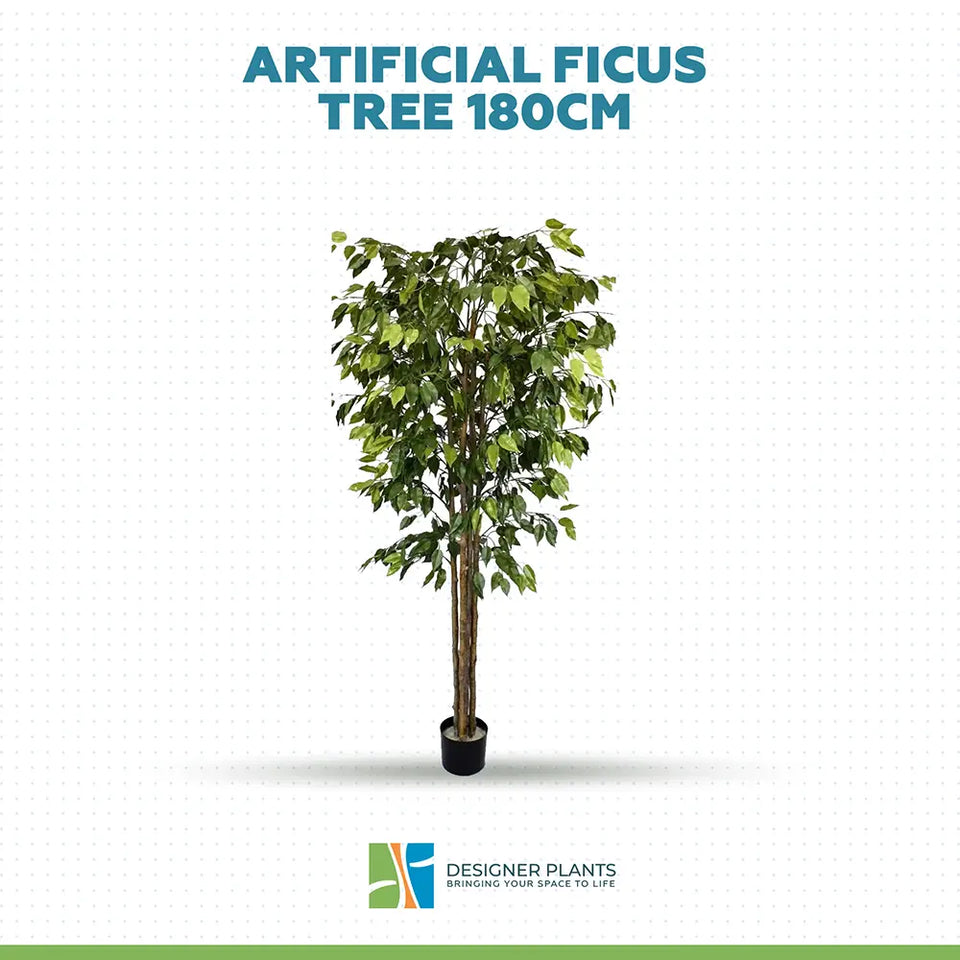
This is the first impression, and it's usually where fitout teams spend the most on greenery for good reason. A statement Artificial Ficus Tree 180cm Nearly Natural UV Resistant, or a Boxwood Hedge Screen Green Wall Panel UV Resistant 100cm x 100cm behind the desk does the job immediately, warmth, colour, something to look at while a visitor waits and there's no risk of anyone walking past a dying plant on the way to a pitch meeting.
Breakout Spaces and Informal Meeting Zones
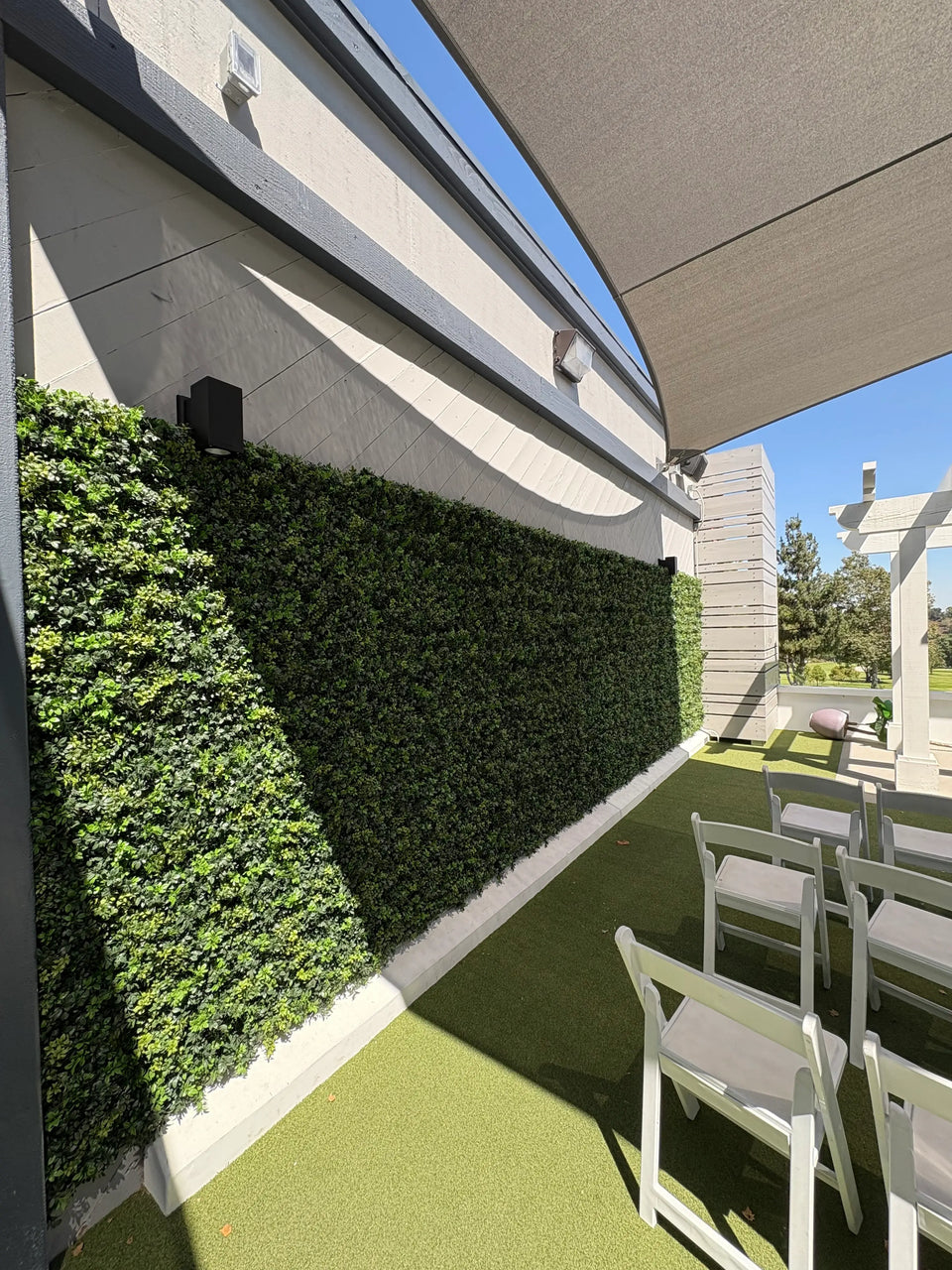
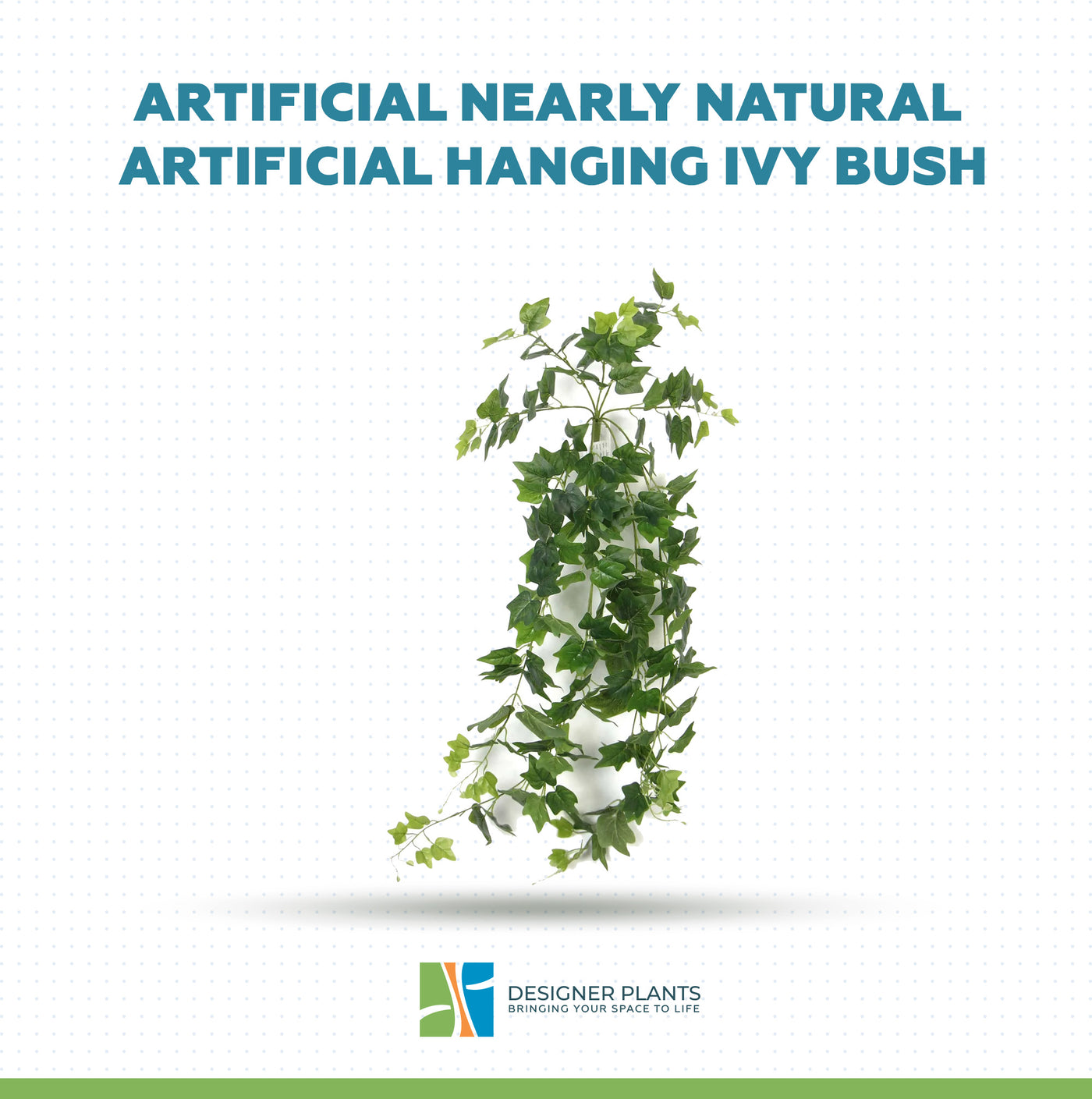
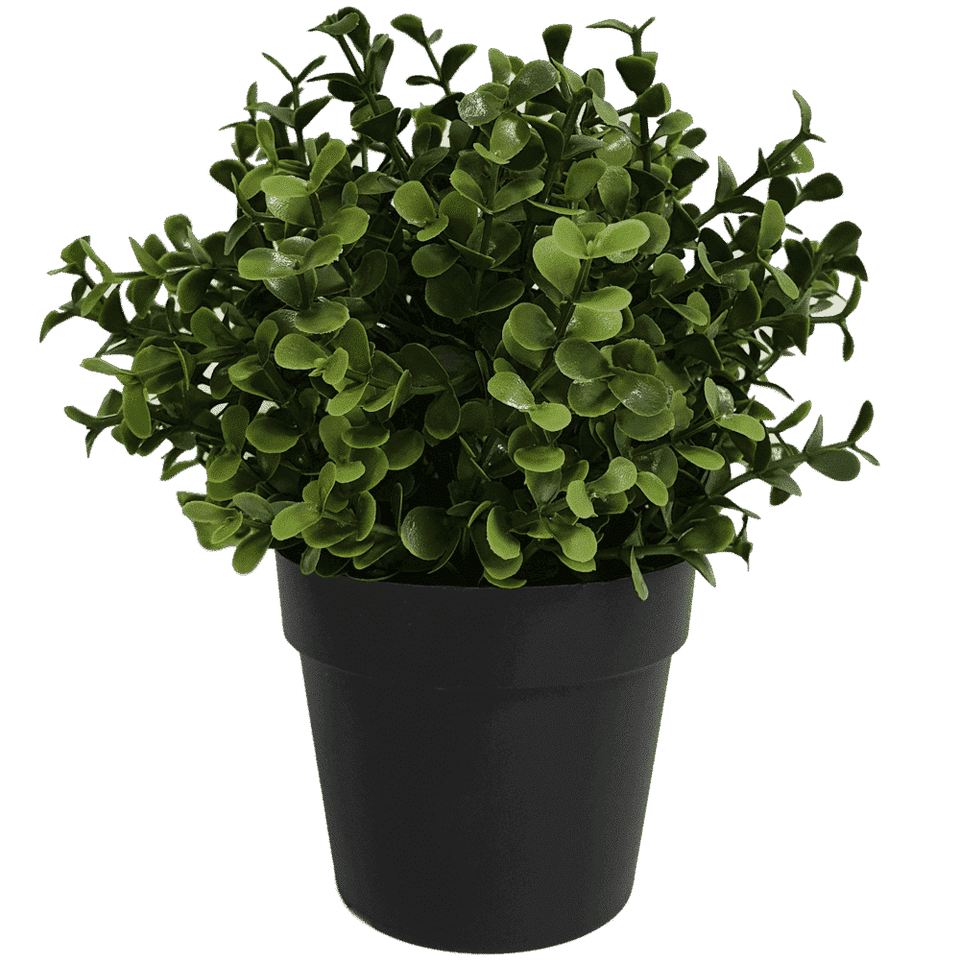
Casual meeting corners and breakout lounges need to feel different to the desk floor, and greenery is one of the easiest ways to get that separation without a full redesign. An Artificial Nearly Natural Hanging Ivy Bush 90cm along shelving and grouped Small Potted Artificial Buxus Plant UV Resistant 20cm pieces near soft seating do a lot of that work.
Boardrooms and Formal Meeting Rooms
Put a single well-placed Artificial Ficus Tree 180cm Nearly Natural UV Resistant in the corner of a boardroom, or a row of Medium Boxwood Topiary Ball UV Resistant pieces along the credenza, and the room stops reading as corporate-bare. It holds up through a full day of back-to-back meetings, too, nobody's ducking in between sessions to check on it.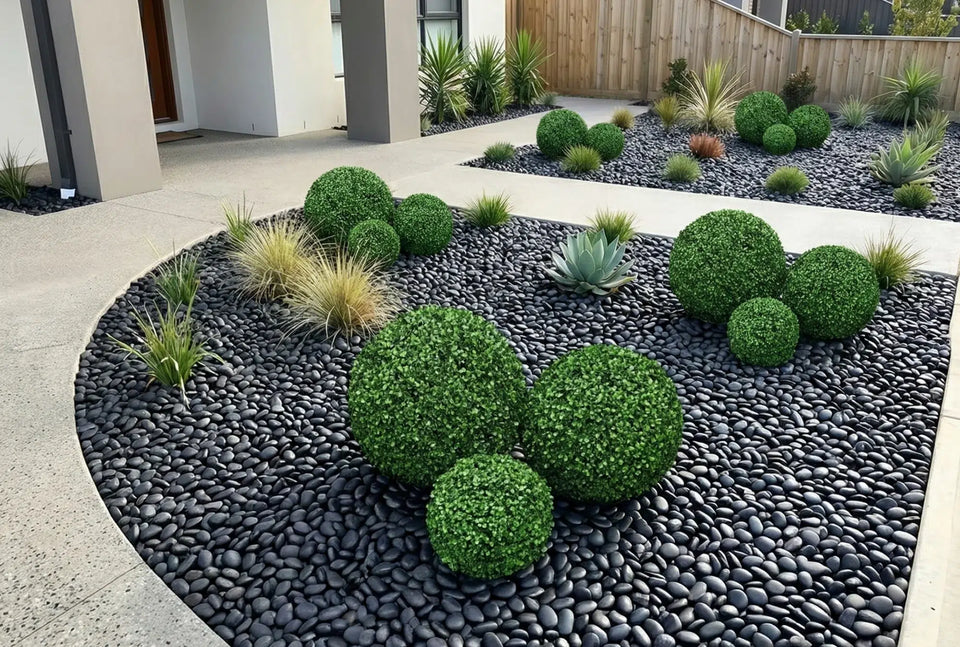
Open-Plan Workstations and Desk Dividers
Low artificial hedge panels between desk banks do two jobs at once. They take a bit of the edge off the acoustics, and they give teams a visual break from each other, without closing the floor plan down the way a full partition would. A scattering of Small Potted Artificial Buxus Plant UV Resistant 20cm through the same run adds to that.
Stairwells, Corridors and Transitional Spaces
Stairwells and corridors are usually the last thing a fitout budget gets to, if it gets to them at all. An Artificial Nearly Natural Hanging Ivy Bush 90cm or a run of Small Potted Artificial Buxus Plant UV Resistant 20cm along these routes turns a dead transitional space into something worth walking through, at a fraction of the cost of feature lighting or artwork in the same spot.
Create an Inspiring Workplace with Professional Office Fitout Greenery Solutions
The businesses getting the most out of office fitout greenery across Australia right now aren't necessarily the ones spending the most. They're the ones who brought it into the design brief on day one, instead of bolting it on once the furniture had already arrived. Get the placement right, such as reception, breakout areas, boardrooms, the quiet corners nobody designs for and the difference shows up eighteen months later, when the space still looks considered instead of just styled for opening day.
Designer Plants works with fitout teams, facilities managers, and businesses fitting out their own offices right across Australia, supplying UV-tested, realistic artificial plants built to hold their finish under office lighting and air conditioning for years, not months. From a single reception feature through to a full-floor greenery plan, the range covers everything a modern office fitout needs without the ongoing maintenance bill that comes with the real thing.