
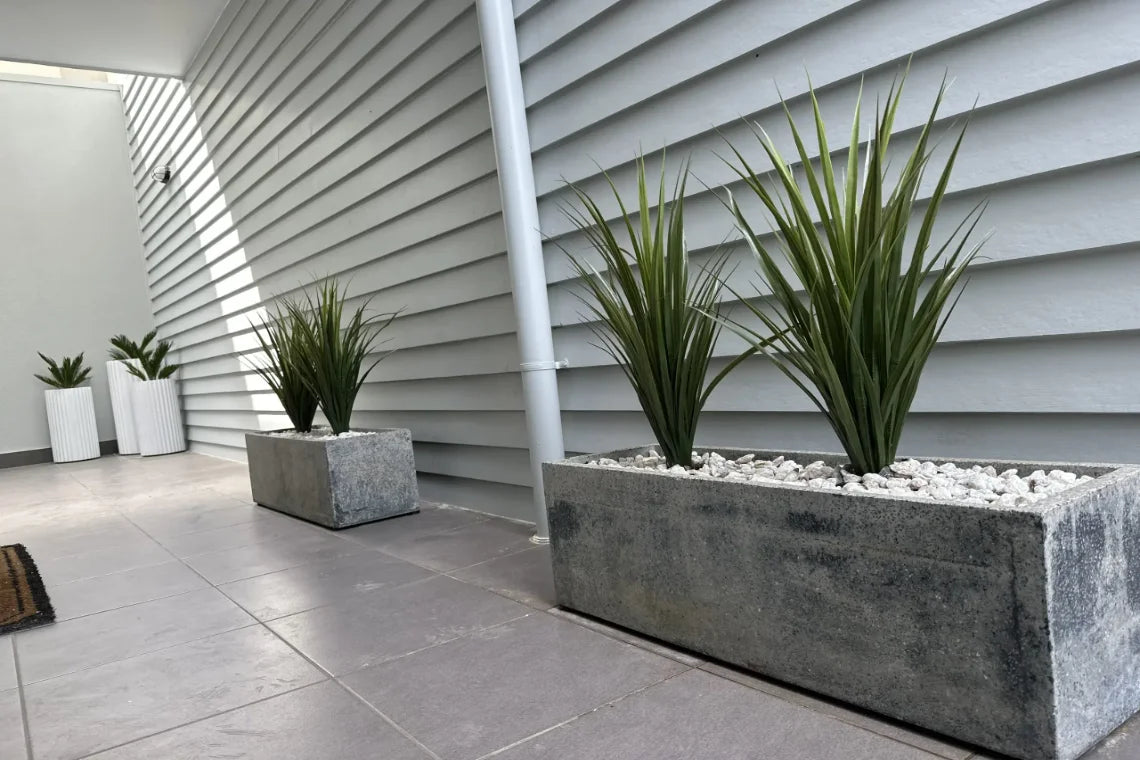
If you’ve ever noticed a tall plant with long, pointed leaves, chances are you’ve seen a yucca. These striking plants have an architectural shape and sturdy nature, and are originally native to dry, sunny regions.
While real yuccas add a bold touch to any space, they do require some care to thrive.
If you like the look of the yucca plant, but can do without the hassle of watering and upkeep, artificial yucca plants offer a fantastic alternative.
They look just like the real thing and bring the same stylish impact to your home, garden, or office. You can find these lifelike plants at garden centers, home decor shops, or online retailers like Designer Plants.
This guide will help you understand what makes artificial yucca so popular, how to use it in your space, and where to find the best options, even if you’re starting from scratch.
Let’s explore how you can bring the beauty of yucca plants into your life.
What Is an Artificial Yucca Plant?
 A yucca artificial plant is a plastic replica of a real yucca plant.
It copies the long, pointed leaves and stands tall just like the real thing. Real yucca plants come from dry climates and are tough, but they still need the right sunlight, water, good soil, and a stable environment to stay healthy.
Their natural form can be unpredictable, which is why they’re so loved by many across Australia - you never know what it can end up looking like. Yet, that also means that some plants grow unevenly, develop brown tips, or become leggy in low-light rooms.
Artificial yucca plants were created to solve these issues.
They’re usually made from strong materials like PE (polyethylene), PVC, or tough plastics. Premium indoor versions feature deep green gradients that mimic fresh growth, while outdoor models are often UV-stabilized to avoid fading and damage from the sun.
Many enthusiasts also explore planting yucca plants as part of a broader greenery setup, blending realism and style without maintenance.
Artificial yucca styles are popular for their durability and low maintenance. You can find them almost anywhere: on balconies, in courtyards, at restaurants, in hotel lobbies, and along paths. This plant is perfect for places that need structure and greenery, which is basically everywhere.
Artificial Yucca vs Real Yucca
Real yucca plants are tough, but they still have limits their limits.
A real yucca needs bright, direct light to remain compact and healthy. If grown indoors without enough sun, it begins to stretch, lean, or lose its vibrancy.
Frost, excessive moisture, or fungal issues can affect real outdoor yuccas, just like any other outdoor plant. This means they can change their shape and colour, and you won’t be able to do anything about it.
Yet, a yucca artificial plant adds consistent colour and size. It looks good in any lighting conditions, doesn’t brown, wilt, or attract pests, and is safe for kids and pets.
For designers and homeowners who want options, an artificial yucca can be part of a wider yucca plants collection, where you mix different heights and styles to suit any space.
Here’s a brief comparison between real and fake yucca plants:
| Aspect | Real Yucca | Artificial Yucca Plant |
| Light | Needs bright sunlight | No light needed |
| Watering | Requires watering & soil checks | No watering at all |
| Outdoor Suitability | May suffer in frost or humidity | Built for all-weather outdoor use |
| Pet Safety | Can irritate skin or be toxic if chewed | 100% pet-safe |
| Maintenance | Needs trimming & repotting | Only occasional cleaning |
| Lifespan | Shorter if neglected | Long-lasting with minimal care |
Benefits of Artificial Yucca Grass
 Many people call the long, narrow leaves of the yucca "artificial yucca grass" (hence our naming).
However, the real thing isn’t actually a type of grass; it just looks like it.
Regardless of the name, the benefits remain the same. Here are the key advantages of artificial yucca plants:
Reliability
One major benefit of artificial yucca plants is their reliability. Unlike real plants, which depend on specific conditions to thrive, artificial yuccas maintain their beautiful appearance all year round. They don’t change with seasons or weather, so you can always count on them to look fresh and vibrant.
Durability
Artificial yucca plants are durable, just like most other well-made artificial plants. High-quality versions keep their vibrant green tones and sturdy, upright leaves for many years, which makes them ideal for prominent display areas like reception desks, entryways, or retail stores.
They’re also suitable for outdoor use, especially if they’re UV-stabilised. In short, this means they can withstand sun, rain, wind, and temperature fluctuations. Unlike real yuccas, they don’t suffer from leaf burn or frost damage and stay consistent no matter the season.
Safety
Real yucca plants have sharp, pointed leaves and contain mild toxins that can be harmful to pets and small children. Artificial yuccas pose no such risks because their synthetic leaves are smooth and completely safe, thanks to SafeTex, our proprietary technology ensuring products don’t contain toxins or release VOCs.
As such, they’re a worry-free choice for family homes and pet-friendly spaces.
Year-round perfection
Artificial yucca plants look perfect throughout the year without any maintenance. They don’t wilt or lose their shape due to winter cold, humidity, low light, or heat. With this, it’s easy to count on them for rental properties, commercial venues, and design projects where consistency and ease of care are essential.
You can experiment with them and place them in a dim hallway or an outdoor corridor without worrying about how they’ll fare.
Aesthetic flexibility
Finally, artificial yuccas offer outstanding aesthetic flexibility because they pair beautifully with tall modern planters, minimalist white pots, or textured ceramics.
You can arrange them symmetrically, line them in rows, or display them as bold, standalone pieces. Their clean, architectural look makes them favourites among interior designers, architects, and landscapers for creating stylish, modern spaces.
Types of Artificial Yucca Plants
 The world of artificial yucca plants is broader than you might expect, with distinct options tailored for indoor and outdoor use.
Artificial outdoor yucca plants
Outdoor artificial yucca plants are designed to handle the elements. They typically feature UV-protected polyethylene leaves that resist sun damage, along with stronger internal structures to withstand wind and moisture.
This durability makes them perfect for commercial outdoor spaces like courtyards, front entrances, rooftop terraces, and poolside areas.
These models tend to be larger, often reaching heights of 180–200 cm, so they great as statement pieces that complement materials such as metal, concrete, or stone. An example to consider is the Premium Potted Artificial Long Grass, which illustrates the scale and sturdy design typical of outdoor yuccas.
At Designer Plants, we use a special UV-Tex technology for our outdoor-suitable artificial plants, which consists of embedding UV protection directly into the plant materials and finishing with a protective outer coating.
This way, the plants are generally stronger when placed outside and can weather the storms better.
Artificial indoor yucca plants
Indoor artificial yucca plants prioritise aesthetics and safety.
Some faux yucca plants may be specifically meant for indoor use. Usually, this means they won’t have embedded UV resistance. But, although they’re not as sturdy as outdoor faux yucca plants, they instead come with SoftTex technology, which makes them safer around children and pets.
Indoor yuccas feature delicate leaf gradations and colours that mimic real growth, fitting well in various decorative pots to enhance interior design. You might see models like the Potted Artificial Long Grass serving as elegant desk or floor plants indoors, which you can dress up or dress down whenever.
Variations in size, pots, and style
Artificial yucca plants come in many styles and sizes to suit different environments.
Outdoor plants tend to be taller and often sit in weather-resistant pots made to complement stone, concrete, or metal elements.
Indoor plants vary from compact desk-sized versions to larger statement pieces, typically housed in stylish pots designed to match interior décor.
Whether lush multi-head arrangements or clean, single-stem designs, artificial yuccas work well in both airy indoor spaces and exposed outdoor settings.
How to Choose the Right Artificial Yucca Plant
 Picking the right plant hinges on knowing the space’s size, style, and purpose of the space you’re decorating.
Here are a few factors to consider when choosing an artificial yucca plant:
Size
Choosing the right size is one of the most important decisions. Large spaces like tall foyers or entryways with high ceilings benefit from a bigger yucca plant, typically between 150–200 cm tall.
Smaller areas, such as apartment balconies, suit mid-sized yuccas around 90–120 cm.
Picking a plant that’s too small can make it look insignificant, while one that’s too tall can overwhelm a room. If you’re unsure of what your space needs, our expert team can offer bespoke advice with just a few photos.
Placement
Consider where you’ll place the plant before you choose which plant you like.
For outdoor spots exposed to direct sunlight, you’ll want a UV-stabilised artificial yucca to ensure it holds up over time.
Indoors, you don’t have to worry about UV resistance, although it won’t hurt to have it. The setting affects the type of plant best suited to your needs.
Realism
Materials and design impact how true-to-life the yucca looks. High-quality artificial yuccas feature multi-toned leaves with soft gradients and matte or satin finishes rather than shiny plastic.
At Designer Plants, we use RealTex technology designed to replicate the natural texture and appearance of real leaves with great detail. It helps us mimic that natural look and shape, so that even from up close, the plants look almost indistinguishable.
Material
Artificial yuccas made with durable polyethylene leaves and strong internal structures hold their shape and colour longer. While most artificial plants are made of plastic, the type of plastic involved is especially important.
At Designer Plants, we use a blend of synthetic polymers, mainly polyethylene (PE) and polyester, because they make sure your products are inexpensive, durable, and weather-resistant.
The pot material also matters, i.e., tall cylindrical pots fit modern styles, concrete troughs suit minimalist or industrial décor, and white ceramic pots work well in coastal or Scandinavian interiors.
Price
Budget is a practical consideration. Premium artificial yuccas usually offer longer-lasting quality and better realism, which is essential for commercial or professional environments. While artificial yucca may have a higher upfront cost, the low-maintenance leads to significant savings down the line (on water, soil, fertiliser, etc.)
Yet, mid-range options often perform just as well indoors, where factors like UV exposure are less demanding.
In any case, it’s important to remember that you can’t get a faux plant of fantastic quality for pennies. The higher the investment a manufacturer has put into the product, the higher the end price will be.
If you want to ensure you’re covered for more expensive faux plants, ask the supplier for a warranty that protects you in the event of damage that wasn’t your fault.
Caring for Your Artificial Yucca Plant
 Taking care of an artificial yucca plant is simple. With just a few supplies and some attention, your plant will stay fresh and vibrant year-round.
Supplies you need for cleaning faux yucca
- Soft microfiber cloth or feather duster
- Mild soap (like dish soap)
- A bucket with lukewarm water
- A soft brush
- Spray bottle for rinsing or misting
- Hose with a low-pressure setting for outdoor cleaning
How often to clean artificial yucca
- Indoor plants: Dust lightly every 1-2 weeks to prevent buildup.
- Outdoor plants: Clean every 2-3 weeks, depending on exposure to pollen, pollution, and weather. More frequent cleaning may be necessary in windy or dusty areas.
- Use a deeper cleaning method monthly or whenever the leaves appear dull.
How to clean artificial yucca
For indoor plants:
- Gently wipe leaves with a dry microfiber cloth or feather duster to remove dust.
- For heavier dirt, mix a small amount of mild soap with lukewarm water and dampen the cloth. Wipe each leaf from base to tip, then let it air-dry. Avoid soaking the plant.
For outdoor plants:
- Use a soft brush to remove surface dust, dirt, and debris from leaves.
- Rinse gently with low-pressure water to refresh leaves without causing damage. Avoid high-pressure hoses, which can bend or harm the plant.
- If the outdoor plant does not have UV protection, apply a UV spray every few months to preserve colour and reduce fading.
Finishing Thoughts
An artificial yucca plant isn’t just a decoration - it’s also a stylish and reliable addition to any space.
Yucca plants bring height and structure without being a permanent display and add a fresh green touch to any space.
They require little maintenance, last long, and look real, which makes them the top choice for busy homeowners, interior designers, and commercial spaces.
Visit our showroom in Braeside, VIC, to see these beauties in action and talk to our stylists for ideas on how to include them in your space.